Featured

The Golden Jackal – Kolkata’s last remaining wild carnivore

Rohan Mukherjee

As our cities develop and expand, they often do so with little or no concern for the fate of the wild denizens of these areas. As a result of destruction of natural habitats and the manifold hazards posed by urban life several wild species are lost forever. However, some species are able to hold on longer than others despite their survival being extremely precarious. One such species is the Golden Jackal, possibly Kolkata’s last remaining wild carnivore and one of its last places of refuge is the Tollygunge Club in Southern Kolkata which I have been visiting from my childhood as a result of my father being a member. Tollygunge Club, a remnant of the British Raj, was established in 1895 by Sir William Cruikshank and it currently spans around 100 acres with a sprawling Golf course being one of its most striking features. 

The club lies along the eastern bank of Tolly Nullah which was the earlier path Adi Ganga, a channel of the river Hooghly.  The soil of the area consisted of the silt brought down by the Adi Ganga and this rich soil combined with generous rainfall supported luxuriant vegetation. This marshy fertile area was prime habitat for the Golden Jackal, who fed on crabs, rodents, and a variety of fruits like mangoes, jackfruit and papaya. The establishment of the Club during Colonial rule towards the end of the 19th century saw the alteration of the vegetation of the area largely to meet the needs of the golf course which saw the setting up of fairways and putting greens and the clearing of vegetation along the boundary wall where the wild animals took shelter. However, with the planting of several species of exotic and indigenous plants and the survival of several water bodies the Club is still home to a rich diversity of flora and fauna which as per Kushal Mookerjee (Birds and Trees of Tolly, 1995) comprises of 118 species of plants, 93 species of birds, 12 species of mammals, 7 species of reptiles and 5 species of amphibians. 

The club activities are mostly confined to the centrally constructed area which is only around 15 % of the total area of the club with only golfers, horse riders and a few walkers frequenting the peripheral areas which to the surprise of most visitors to the club continue to be inhabited by a sizable Jackal population (Sanyal, Dey and Kankane, 2010). As Kolkata expanded and the Tollygunge area was urbanised the Jackals and other wildlife lost much of the natural habitat on which they depended, forcing them to seek refuge within the Club premises. The construction of the Metro and the subsequent walling in of the Club saw the Jackals becoming a virtual captive population. The efforts of concerned members, wildlife enthusiasts and researchers has ensured the protection and survival of Tollygunge Club’s Jackal. However, the characteristics and constraints of their current home have forced them to change and adapt and as a result their behaviour is very different from that of wild Jackal populations. 

Unlike wild Jackals who are primarily active in the night, Tolly’s Jackals are now Diurnal and constant contact with humans, especially Golfers and Caddies has made them far more accepting of human presence than their shy wild cousins. They can often be seen accompanying and silently viewing golfers as they make their way from one hole to another. However, their future survival is far from secure with some of the major challenges they face being conflict with the Club’s stray dogs, shrinking prey base and inbreeding and associated greater susceptibility to disease. In fact, many naturalists and researchers feel that in around 20 years Kolkata will lose all of its remaining fragmented Jackal populations primarily as a result of inbreeding and associated genetic issues and challenges. 

While this is not a story filled with much hope for the future survival of urban biodiversity, what it does highlight is the importance of retaining and protecting natural habitats as our villages, towns and cities develop so that the floral and faunal species of the area are still able to survive and live alongside their human neighbours. While the survival of the Jackal population was far from planned and largely an incidental benefit of having biodiversity conducive golf course, in future there is an urgent need to plan for the protection, conservation and if needed restoration of wild places and natural habitats both within and around our cities alongside sensitisation of citizens of the importance of other life forms and the need to nurture them and ensure our development does not come at the expense of our wild neighbours.

Featured

চাষ ও মাটির কথা

রমেশ চন্দ্র মণ্ডল

চাষের মূল কথা হলো মাটি। জৈব চাষ পদ্ধতির প্রথম শর্ত মাটির স্বাস্থ্য ঠিক রাখা, মাটির প্রতি যত্নশীল হওয়া। মানুষকে সুস্থ থাকতে হলে তার শরীরে সঠিক পরিমানে – শর্করা, প্রোটিন, ভিটামিন, লিপিড, জল, খনিজ মৌল, খাদ্য তন্তু, উদ্ভিজ্জ রাসায়নিক – এসবের প্রয়োজন, এগুলির মধ্যে দিয়েই মানুষের দেহে রোগ প্রতিরোধ ক্ষমতা গড়ে ওঠে। তেমনি মাটির স্বাস্থ্য বা উর্বরতা শক্তি যদি ঠিক থাকে, তাহলে গাছে রোগ – পোকার আক্রমণ কম হবে। গাছ রোগ – পোকাকে প্রতিরোধ করে কাঙ্ক্ষিত ফলন দিতে পারবে।

এখন আলোচনা করব মাটির উর্বরতা বলতে কি বোঝায় তা নিয়ে। মাটিতে মিশে থাকে, নাইট্রোজেন, ফসফেট, পটাশিয়াম, জৈব কার্বন, অক্সিজেন। বিভিন্ন অনুখাদ্য যেমন ক্যালসিয়াম, ম্যাগনেসিয়াম, সালফার, ম্যাঙ্গানিজ, তামা, দস্তা, লৌহ, মলিবডেনাম, ক্লোরিন এবং অন্যান্য অণুজীব, জীব, জীবাণু। এগুলি যদি মাটিতে ঠিক থাকে এবং মাটির ফুসফুস যদি আলগা হয় তাহলে বুঝতে হবে মাটির স্বাস্থ্য বা উর্বরতা শক্তি ঠিক আছে। 

মাটির উর্বরতা শাক্তি বোঝবার সহজ উপায়:

১) মাটি কোপাতে কষ্ট হবে না, মাটি ঝুরঝুরে হবে।

২) মাটিতে কেঁচোর বসবাস ভালরকম থাকবে।

৩) মাটির জলধারণ ক্ষমতা বাড়বে।

৪) আর সবথেকে গুরুত্বপূর্ণ বিষয় হলো, একজন কৃষক তাঁর মাটি দেখে এবং গাছের চেহারা দেখে বুঝতে পারে তার মাটির স্বাস্থ্য কেমন আছে। 

এই জন্য কৃষককে বলা হয় প্রকৃত কৃষিবিজ্ঞানী। কোনো কৃষককে তো আর কৃষি বিশ্ববিদ্যালয় গিয়ে চাষ শিখতে হয়নি, সে মাটি ছুঁয়ে, মাটি ঘেঁটেই চাষ শিখেছে আর কৃষির নিজস্ব বৈজ্ঞানিক চিন্তাকে আয়ত্ত করেছে। 

খারাপ মাটি, অর্থাৎ মাটির উর্বরতা শক্তি কম আছে, আমরা কী ভাবে বুঝবো? এটা জরুরি বিষয়। 

১) মাটি খুব শক্ত থাকে, মাটি ভাঙতে চায় না।

২) মাটি ফ্যাকাশে চেহারা ধারণ করে। সাদাটে ধরণের। 

যদিও এই লক্ষণগুলি এঁটেল ও দোয়াঁশ মাটির ক্ষেত্রে প্রযোজ্য। সব মাটির ক্ষেত্রে নয়। 

৩) মাটি কোপালে ঝুরঝুরে হয় না। 

আমরা কৃষকরা যুগ যুগ ধরে এই মাটিতে প্রতিনিয়ত ফসল উৎপাদন করে চলেছি। উৎপাদন বৃদ্ধির লক্ষ্যে হাইব্রিড বীজ, রাসায়নিক সার ও রাসায়নিক কীটনাশক ব্যবহার করে মাটির উর্বরতা শক্তি শেষ করে ফেলছি। ভেবে দেখুন, মাটির থেকে আমরা কেবল নিই, দিই না তো কিছুই! 

আমরা মাটির উপর ক্রমাগত বহু অযাচিত অত্যাচার করে চলেছি। পৃথিবীকে যদি ভবিষ্যৎ প্রজন্মের জন্য সুন্দর বাসভূমি করে রেখে যেতে চাই, তাহলে সময় এসেছে মাটিকে সরস করে গড়ে তোলার। ফিরে যাই আবার আগের কথায়, মাটির প্রতি আরও যত্নশীল হওয়ার সময় এসেছে। 

মাটির উর্বরতা শক্তি ফিরিয়ে আনার জন্য কিছু পদ্ধতি আমাদের ব্যবহার করা উচিত –

১.  যারা শহরাঞ্চলে বাড়ির ছাদে টবে চাষ করেন 1/2 মাটি, ভার্মি-কম্পোষ্ট, যদি গোবর সার পাওয়া যায়, হাড়ের গুঁড়ো, চুন – এক সঙ্গে মিশিয়ে হালকা খেলিয়ে দিতে হবে। ঐ সার মেশানো মাটিতে হালকা জল দিয়ে পলিথিন দিয়ে ঢেকে দিতে হবে। এতে মাটির ভিতরে থাকা ক্ষতিকারক জীবাণু মারা যাবে। 15 দিন পর ঐ মাটি টবে ভরতে হবে। টবে যারা চাষ করেন, তাঁরা ঘরের ব্যবহার করা চা পাতা ভালো ভাবে ধুয়ে মাটিতে দিতে পারেন। বিভিন্ন সব্জির বাতিল অংশ, ফলের বাতিল অংশ একটি পাত্রে রেখে পচিয়ে মাটির সার হিসেবে ব্যবহার করা যেতে পারে। মাঝে মাঝে খোল জল ব্যবহার করতে হবে। যদিও খোল পাঁচ সাতদিন পচানোর প্রয়োজন। 

২. গ্ৰামাঞ্চলে যারা কৃষির উপর নির্ভর করে জীবন – জীবিকা নির্বাহ করেন তাদের মাটির প্রতি মায়ের ন্যায় যত্নশীল হওয়া প্রয়োজন। মায়ের ন্যায় যত্নশীল, অর্থাৎ মা যেমন তাঁর সন্তানকে লালন পালন করে বড় করে তোলেন, মা যেমন সারাজীবন ধরে সন্তানকে শুধু দিয়ে যান। তেমনই সন্তানের উচিত মায়ের যখন শেষ বয়স, তখন মাকে দেখা, যত্ন নেওয়া। তেমনই মাটি জীব সৃষ্টির থেকে আজও পর্যন্ত, জীবের বাসস্থান ও প্রতিনিয়ত আহারের ব্যবস্থা করে চলেছে, বাঁচিয়ে রেখেছে মানুষ তথা জীব জগৎকে। তবে মনে রাখতে হবে সেই মাটিরও ক্ষয় আছে। সেই জায়গা থেকে মাটির প্রতি যত্নশীল হতে হবে। তার উর্বরতা শক্তি বজায় বা বৃদ্ধির জন্য আমাদের ব্যবস্থা নিতে হবে। তাহলে মাটি আমাদের ভবিষ্যতেও কাঙ্ক্ষিত ফলন দিয়ে যাবে।

প্রথমে মাটি ভালোভাবে চাষ করতে হবে। চাষ করে কয়েক দিন রৌদ্রে রাখা খুবই জরুরি। এতে একদিকে মাটি আলো বাতাস পেল। অন্যদিকে মাটির ভিতরে থাকা ক্ষতিকারক পোকার ডিম ও রোগের জীবাণু মারা গেল। এরপর মাটিতে গোবর সার, কম্পোষ্ট সার, যে কোন গুঁড়ো খোল, গাছের পাতা, ছাই, ধানের তুষ, কাঠের গুঁড়ো, চুন দিয়ে, দ্বিতীয় বার চাষ করতে হবে। এই ভাবে চাষ করলে মাটির স্বাস্থ্য ভালো থাকবে। 

পুরানো পুকুরের পাঁক মাটি  তুলে একটি বছর এক জায়গায় রেখে দিতে হবে তারপর ওই মাটি ব্যবহার করতে হবে। এই জাতীয় মাটির উর্বরতা শক্তি খুব ভালো হয়। কৃষকরা যুগ যুগ ধরে এই পদ্ধতি ব্যবহার করে আসছে। মাটিতে শুঁটি জাতীয় উদ্ভিদের চাষ একান্ত প্রয়োজন, যা মাটির উর্বরতা শক্তি বৃদ্ধি করে। মাঝে মাঝে খোল পচানো জল ব্যবহার করতে হবে, বাড়ির আশেপাশে যাবতীয় পচনশীল গাছের পাতা জমিতে ব্যবহার করা যায়, ধানের খড় পচানো সার মাটির উর্বরতা শক্তি বৃদ্ধিতে সাহায্য করে। তাতে মাটি জীবন্ত হবে। মাটির ফুসফুস আলগা হবে। জল ধারন ক্ষমতা বাড়বে। আমরা কাঙ্ক্ষিত ফলন পাবো। মাটি কখনো বন্ধ্যা হবে না। আগামী প্রজন্মের জন্য জীবন্ত মাটি রেখে যেতে পারবো। মাটি কথা বলবে। 

Featured

লোকায়ত বীজের পুনরুজ্জীবনই প্রাকৃতিক চাষের মূল চাবিকাঠি

সৌমিক ব্যানার্জি

(তরজমা পীযূষ দত্ত)

প্রকৃতির সহনশীলতার গূঢ় রহস্য হলো বৈচিত্র্য। সমুদ্রের গহ্বর থেকে সর্বোচ্চ পর্বতচূড়া পর্যন্ত, সর্বত্র ছড়িয়ে রয়েছে অগণিত প্রাণীর অপরূপ বৈভব। মানবসভ্যতার শুরু থেকেই এই বৈচিত্র্য আমাদের বেঁচে থাকতে সাহায্য করেছে। হাজার হাজার বছর ধরে মানুষ ও আরো বিভিন্ন গোষ্ঠীগুলি প্রায় ২০,০০০ প্রজাতির উদ্ভিদকে খাদ্য হিসাবে ব্যবহার করে চলেছে। আজও সারা বিশ্বে প্রায় ৪,০০০ প্রজাতির বনজ উদ্ভিদ খাদ্য হিসেবে ব্যবহৃত হয়। ভারতের বন সংলগ্ন গ্রামগুলিতে প্রায় ২০০ থেকে ৭০০ ধরনের বনজ খাদ্য সংগ্রহ করে খাওয়া হয়। এই বনজ বৈচিত্র্য ছাড়াও মানুষ হাজার হাজার বছর ধরে প্রকৃতির সাথে সহাবস্থান করে চলেছে , এবং তারা প্রকৃতির অসংখ্য উদ্ভিদ ও প্রাণীকে পালন করে চলেছে, যা বছরের পর বছর ধরে মানুষের প্রধান খাদ্য হিসেবে ব্যবহৃত হয়ে আসছে।

আনুমানিক ছয় হাজার প্রজাতির চাষকৃত উদ্ভিদ রয়েছে, যার মধ্যে মাত্র ২০০টি (৩%) বর্তমানে বৈশ্বিক খাদ্য সরবরাহে রয়েছে এবং মাত্র ৯টি (০.১৫%) ওজনের দিক থেকে ৬৬% অবদান রাখে। এগুলো হলো: ধান, গম, সয়াবিন, ভুট্টা, কাসাভা, আখ, সুগার বিট, আলু ও অয়েল পাম। আমরা এই যে বৈচিত্র্যের ক্ষেত্রে এক ব্যাপক ভারসাম্যহীনতা লক্ষ্য করছি, তা কেবল রাসায়নিক কৃষি ও বন ধ্বংসের মাধ্যমে পরিবেশের উপরই ভয়াবহ প্রভাব ফেলেনি, বরং পুষ্টির ঘাটতি ও আধুনিক জীবনযাত্রাজনিত রোগের মাধ্যমে আমাদের অর্থনীতি, খাদ্যাভ্যাস, স্বাস্থ্য ও সমাজকেও ক্ষতিগ্রস্ত করেছে।

স্থানীয় ফসলের দেশীয় প্রজাতির বীজ হলো পরিবেশবান্ধব কৃষির প্রথম ধাপ। কৃষির সূচনালগ্ন থেকে কৃষকরা  চাষ, প্রজনন, সংরক্ষণ, বিনিময় ও রক্ষণাবেক্ষণের মাধ্যমে ফসল ও তাদের বৈচিত্র্যের এক বিশাল ভাণ্ডার গড়ে তুলেছে।

এই লোকায়ত বীজগুলো তাদের স্থানীয় পরিবেশে বিবর্তিত হয়ে জলবায়ু, মাটি, কৃষি পদ্ধতি ও জৈবিক ও অজৈব চাপ সহ্য করার ক্ষমতার সাথে অভিযোজিত। এগুলো পুষ্টিগুণেও সমৃদ্ধ, স্থানীয় মাটি ও জৈব সারের সাথে সবচেয়ে ভালোভাবে খাপ খায় এবং স্থানীয় বাজারে এগুলোর চাহিদা রয়েছে। লোকায়ত বীজ হাজার বছরের অবিচ্ছিন্ন ইতিহাস, সংস্কৃতি, ঐতিহ্য, খাদ্য নিরাপত্তা ও সার্বভৌমত্বের প্রতীক।

বীজ বিচ্ছিন্ন সত্তা নয়, এদের নিজস্ব বায়োম রয়েছে। এই সহাবস্থানকারী অণুজীব বা এন্ডোফাইটস, বীজের সর্বত্র থাকে এবং গাছের স্বাস্থ্য ও পুষ্টির নিয়ামক হিসেবে কাজ করে। এরা নাইট্রোজেন স্থিরকরণ, অ্যান্টিঅক্সিডেন্ট উৎপাদনের মাধ্যমে গাছকে অজৈব চাপ থেকে রক্ষা করে এবং গাছের বৃদ্ধি হরমোন নিঃসরণ করে।

লোকায়ত জাত আধুনিক জাতের চেয়ে শ্রেষ্ঠ, কারণ এগুলো –  

– স্থানীয়ভাবে উন্নত ও স্থানীয় অবস্থার সাথে অভিযোজিত  

– উচ্চ বাস্তুতান্ত্রিক বৈচিত্র্যপূর্ণ অঞ্চলের জন্য উপযোগী  

– বিস্তৃত জিনগত ভিত্তি রয়েছে  

– জাতের মধ্যে পরিবর্তনশীল জিনের কম্পাঙ্ক  

– মুক্ত পরাগায়ন ঘটে ও আন্তঃপরাগায়নকে উৎসাহিত করে  

– বনজ প্রজাতির সাথে জিনের প্রবাহ সম্ভব করে  

– স্থানীয় অণুজীব সহাবস্থানকারীদের সাথে শক্তিশালী সম্পর্ক গড়ে  

– মিশ্র ফসলচাষ পদ্ধতির সাথে ফেনোটাইপিক অভিযোজন ঘটে  

– উচ্চতর পুষ্টি আহরণ ক্ষমতা সম্পন্ন  

কৃষকরাই ছিলেন প্রথম বীজ প্রজননকারী, এবং সূক্ষ্ম পর্যবেক্ষণ ও বহু প্রজন্মের সম্মিলিত প্রচেষ্টার মাধ্যমে তারা ইতিহাসে অতুলনীয় জাতের এক বিস্ময়কর ভাণ্ডার সৃষ্টি করেছেন। আজও আদিবাসী ও আরো বহু গোষ্ঠীর কৃষকরা নতুন জাত উদ্ভাবন করছেন, তার সাথে সম্প্রদায়ের মধ্যে এই বীজ চাষ, পুনর্ব্যবহার ও বিনিময় করছেন।  

লোকায়ত জাত পরিবেশবান্ধব কৃষির জন্য আদর্শ, এবং জলবায়ুজনিত আঘাত থেকে সহনশীলতা প্রদানের পাশাপাশি উচ্চ পুষ্টিগুণ নিশ্চিত করে। এটি বিকেন্দ্রীভূত বীজব্যবস্থাকে শক্তিশালী করে, সম্প্রদায়গুলিকে স্বনির্ভর করে তোলে।

“সবুজ বিপ্লব”-এর সূচনালগ্ন থেকে, ধান ও গমকে অগ্রাধিকার দেওয়া হয়েছে, এবং ফসলের গঠনকে কৃত্রিম সারের প্রতি সংবেদনশীল করে ফলন বাড়ানোর লক্ষ্যে প্রজনন কর্মসূচি নেওয়া হয়। তখন থেকে জোয়ার-বাজরা, ডাল ও তৈলবীজ ফসলের পাশাপাশি জাতীয় বৈচিত্র্য ব্যাপকভাবে হ্রাস পেতে থাকে। সারের প্রতি সংবেদনশীল জাপোনিকা ধান ও মেক্সিকান গম, এবং পরবর্তীতে সয়াবিন, জিএম তুলা, সংকর ভুট্টা ও সবজির প্রচার রাসায়নিকের ব্যবহার, ভূগর্ভস্থ জল উত্তোলন ও কৃষি যান্ত্রিকীকরণকে ব্যাপকভাবে বাড়িয়েছে। এই পরিবর্তনগুলি বৈচিত্র্য ক্ষয় করছে, ভূদৃশ্য ও বাস্তুতন্ত্র রূপান্তরিত করছে এবং স্থানীয় মাটি, জল, প্রাণী, মানুষের খাদ্যাভ্যাস, স্বাস্থ্য, পুষ্টি নিরাপত্তা ও কৃষকের সার্বভৌমত্বকে প্রভাবিত করছে।

দেশী বীজ পরিবেশবান্ধব কৃষির দিকে প্রথম ধাপ, কারণ এই জাতগুলি স্থানীয় মাটি, বাস্তুতন্ত্র ও জলবায়ু ব্যবস্থায় প্রাকৃতিক উপাদানের অধীনে ভালো ফল দেয়। আদিবাসী এবং অন্যান্য সম্প্রদায়গুলির মধ্যে সহনশীলতা নিয়ে আসার ক্ষেত্রে এই কৃষি-জীববৈচিত্রকে ফিরিয়ে আনা দরকার। এটি কৃষকদের রাসায়নিক-নির্ভর ব্যবস্থা থেকে প্রাকৃতিক কৃষিতে সহজেই ফিরে আসতে সাহায্য করবে, পাশাপাশি ত্বরান্বিত জলবায়ু পরিবর্তন, অপুষ্টি ও জীবনধারাজনিত রোগের বহুমুখী চ্যালেঞ্জ মোকাবিলা করবে।

কৃষির ভবিষ্যৎ এবং মাটি, উদ্ভিদ, প্রাণী ও মানুষের স্বাস্থ্য ও সুখ বজায় রাখার ধারাবাহিকতা নিহিত রয়েছে আমাদের হাজার বছরের পুরনো লোকায়ত ফসলের জাত ও ঐতিহ্যবাহী কৃষি বাস্তুতন্ত্রকে গ্রহণ করার মধ্যে।

Featured

Revival of Folk Seeds is Key To Natural Farming

Soumik Banerjee

Diversity is the hidden code of Nature’s resilience; Mother Earth is endowed by an overwhelming splendour of organisms at all habitats from the deep-sea vents to the highest peaks. Since the dawn of humanity – this diversity has helped us survive. About 20,000 types of plants were consumed by humans and related groups for hundreds of thousands of years. Even today- 4,000 types of wild plants are consumed across the globe; in villages proximal to forests or other natural habitats of India about 200 to 700 diverse types of wild foods are foraged and consumed. Apart from this wild diversity- humans partnered with nature over thousands of years to develop a plethora of domesticated plants and animals that have been our principal food for several thousand years.

There are estimated six thousand types of cultivated plants, out of which only 200 (3%) are currently in global food supply and only 9 (0.15%) contribute to 66% by weight;. They are- Rice, Wheat, Soyabean, Maize, Cassava, Sugarcane, Sugar beet, Potato & Oil Palm. This enormous imbalance in diversity has not only taken a huge toll of the environment through intensive chemical farming and destroying forests and  also our economy, diet, health, and society through nutritional deficiencies and emerging lifestyle diseases. 

Folk Seeds of local Crops are the first step towards embracing agroecological approach- the link of the seed microbiome to the soil. Since the dawn of agriculture- farmers have selected, cultivated, bred, stored, exchanged, and maintained an enormous diversity of crops and varieties among them.

These Folk Seeds are unique in their evolution in local environs adapted to the climate, soil, agronomic practices, and ability to withstand biotic and abiotic stress. They are also nutritionally richer and respond best to local soils and organic manures and have demand in local markets. Folk seeds represent thousands of years of unbroken legacy of history, culture, traditions, food security and sovereignty. 

Seeds are not isolated entities but have a biome; these symbiotic microbes or Endophytes present all over the seed and act as regulators of plant health, nutrition. They can fix Nitrogen, generate Antioxidants to protect plants under abiotic stress and release plant growth hormones.

Folk Varieties are superior to Modern varieties as they –

  1. Locally bred and adapted to local conditions
  2.  Adapted to regions with high ecosystem diversity
  3. Wider Genetic Base
  4. Variable Gene Frequency within and among varieties
  5. Are openly pollinated and promote outcrossing
  6. Allow flow of genes with wild relatives
  7. Make strong associations with local microbial symbionts
  8. Phenotypic Adaptation to Mixed Cropping systems
  9. Higher Nutrient acquisition abilities

Farmers have been the first seed breeders and with meticulous observations and generations of collective efforts have created an astounding treasure of varieties that is unparalleled in history. Even today Adivasi and traditional farmers are developing novel varieties as well as cultivating, re-using and exchanging such seeds in the community.

Folk varieties are ideal for Agroecology and can offer resilience from climate shocks while providing higher nutrient density and lead decentralised seed systems empowering communities in reviving self-reliance and traditional practices.  

Since the advent of the  “Green Revolution”, where Rice & Wheat were prioritised and breeding programs focussed on manipulating crop architecture to increase response to synthetic fertilisers in an attempt to boost yields-there has been serious decline of Millets, Pulses & Oilseeds as crops as well as loss of varietal diversity. Promotion of Fertilizer responsive Japonica Paddy & Mexican Wheat and later Soyabean, Genetically Modified Cotton, Hybrid Maize & Vegetables, have greatly exacerbated the use of agrochemicals, extraction of groundwater, and farm mechanisation. These changes have eroded diversity, transformed landscapes, ecosystems and impacted local soil, water, animals, human diet, health, nutrition security, and farmer sovereignty. 

Folk Seeds are the first step towards embracing Natural Farming, since these varieties are adapted to perform under natural inputs in local soil, ecology and climate regimes. Reviving agro-biodiversity is essential to bring in resilience in the socio-cultural milieu of the custodian, Adivasi and other marginal communities. This will ensure easier transition of farmers from chemical intensive systems to Natural farming while also addressing the multiple challenges of Accelerated Climate Change, Malnutrition and Lifestyle Diseases.

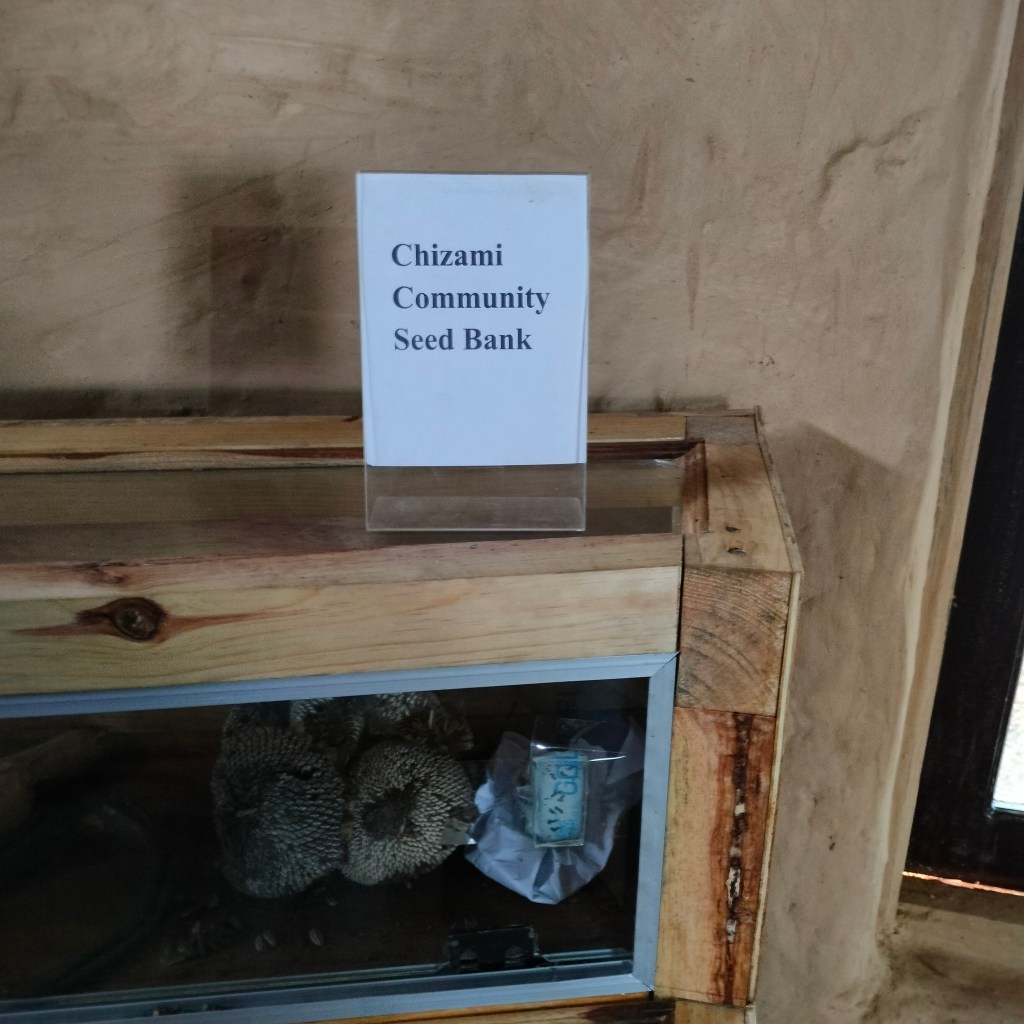
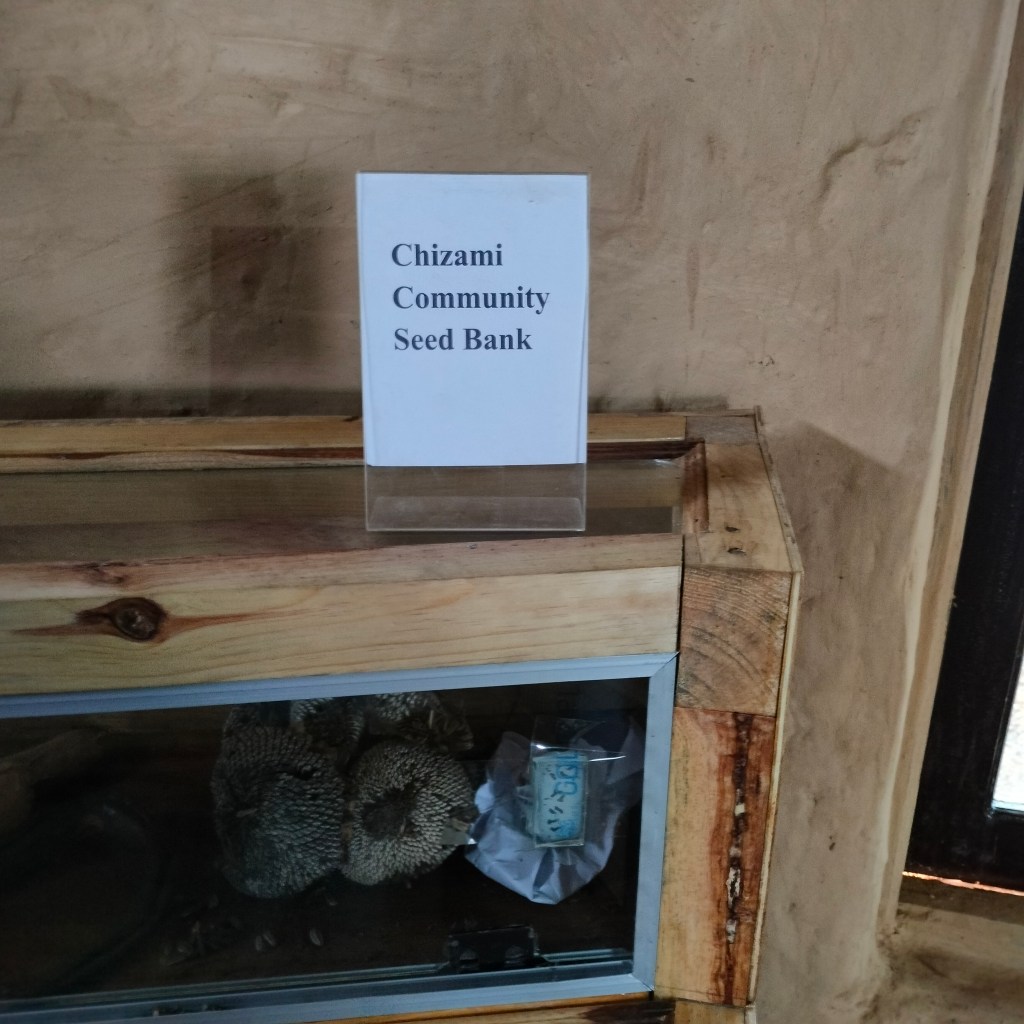
Seed Bank by the Farmers of Chizami, Nagaland (Photo: Souvik Das)

The future of farming and its continued sustainability towards maintaining Soil, Plant, Animal & Human health and happiness lies in  embracing our millennia-old Folk Varieties of Crops and traditional farming Ecosystems.

About the writer:

Independent Researcher and Practitioner of Agro-ecology & Heirloom Seed Conservation.

Currently engaged in conservation research of Indigenous varieties & Landraces of field crops through Field Conservation with farmer groups in eastern & central India.

Working with Adivasi communities practicing Shifting Cultivation in eastern & central India towards Guided Fallow and Forest Gardens.

Featured

From the Sundarbans to Nagaland: Shrimati Munda’s Journey to the Biodiversity Festival

Interview conducted and translated by Pijush Dutta

As our car navigated the winding, hilly roads, a rush of crisp, chilly wind carried the scent of freshly bloomed flowers to us. The journey from Dimapur to Chizami spanned five hours, with each turn in the road bringing a sense of excitement to everyone in the car.

Among the travelers were Shrimati Munda, Rita Munda, and Shyamoli Munda, three members of the Munda community from Sundarban. They were on their way to attend the Biodiversity Festival in Chizami, organized by the North East Network, Nagaland.

In this interview series, Shrimati Munda shares her experiences in Nagaland and reflects on their exposure to a new culture and traditions. 

Interviewer: Firstly, I would like to know about your experience in Nagaland.

Shrimati Munda: It was wonderful, especially the weather.

Interviewer: You live in the Sundarbans. What new things did you notice and like about Nagaland?

Shrimati Munda: There were many things that caught my attention, but the most remarkable ones were the unique fruits and vegetables. I saw a type of pumpkin that I had never seen before, it looked exactly like a watermelon. At our homestay, I initially mistook it for a watermelon, but when I asked about it, they cut it open and showed me that it was actually a pumpkin. They use it to feed pigs there.

Their traditional clothing also fascinated me.

Interviewer: Could you elaborate on what you found interesting about their clothing?

Shrimati Munda: I was referring to their traditional clothes and jewelry. The bead necklaces, in particular, seemed very attractive and unique to me.

Interviewer: You belong to an Adivasi community, and they also come from an Adivasi background. Did you notice any similarities between your communities?

Shrimati Munda: Yes, there were some similarities. For instance, they eat a lot of pork, just like we do. That was a major commonality. Another similarity was in our languages, I don’t know how, but I could understand some of their words. It was surprising to me.

Interviewer: What was your impression of their organization and work?

Shrimati Munda: Their organization was large and well-disciplined. We listened to their discussions on how they planned to expand it. There were even people from outside Nagaland, including someone from a foreign country. One of them spoke with us, asking about our experience at the event.

They were also engaged in seed preservation. They had a special cold storage room for keeping seeds. We saw different kinds of seeds, mostly local ones, and they shared stories about the early days of their organization, the struggles they faced and the successes they achieved.

We also learned about their seed exchange program and got familiar with the names of different tribes and districts in Nagaland. Their organization gave us a deeper understanding of their work.

Interviewer: Could you relate their work, like seed preservation, to anything in your own community?

Shrimati Munda: Yes, we loved the idea of seed preservation the most. We can definitely adopt it in our region as well. We could preserve different types of seeds like taro roots, kohlrabi, and corn.

We also saw various kinds of edible leaves there. We can preserve those leaves too.

Interviewer: Did their work inspire you?

Shrimati Munda: Yes, a lot! We can implement similar ideas. For example, they collected different kinds of leaves, pasted them onto paper, and wrote their names and functions below each one. We could do something similar in our region as well. Their work was truly impressive.

Interviewer: What about the cultural programs? Did you enjoy them?

Shrimati Munda: Oh yes! I especially loved the drama about their organization’s first visit to Delhi. The scenes with the ticket checker and the police were very entertaining. It was really nice!

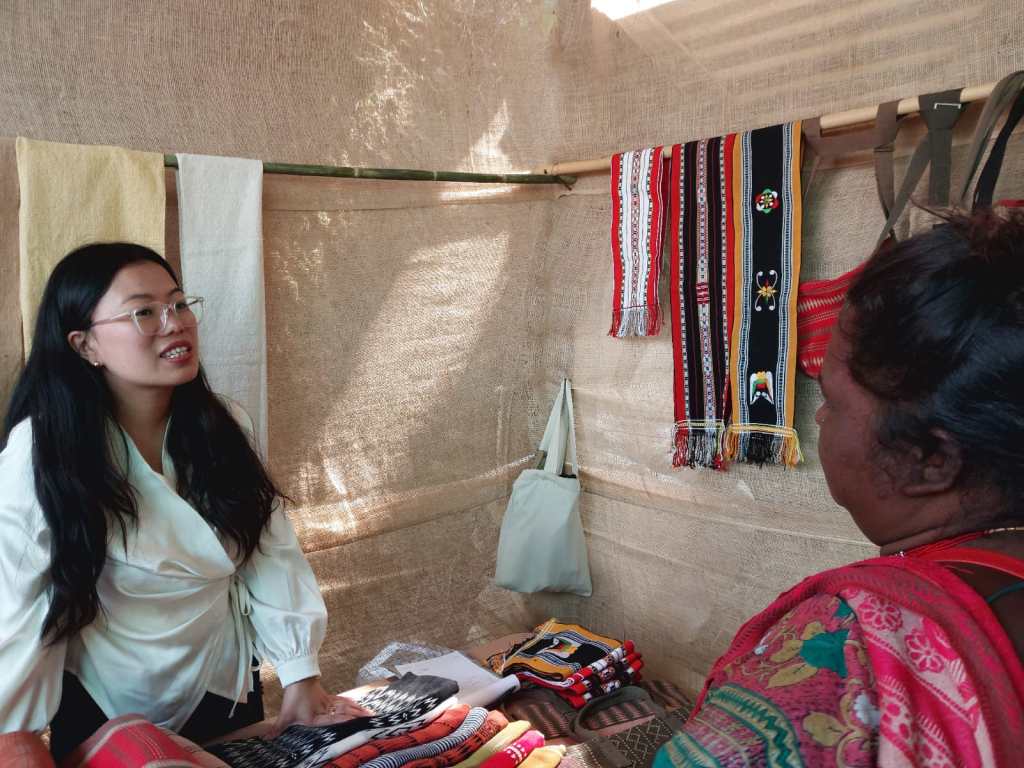
Shrimati Munda at NEN, Biodiversity Festival

Featured

A walk along the banks of the rivers of the Sundarbans, in images.

-A Photo Essay

  • Tarini Manchanda

Living in the shadow of multiple histories, fictions, political trajectories and stories, are the people who continue to live in and depend on the Sundarbans. An aerial view of the region would appear grey, gnarly, wooded and green, but a descent into the terrain allows the viewer to understand the colourful depth and complexity of life within this region. These images emerge from a recce visit, they are initial impressions of a curious visitor, this is original work by Sanchita, Souvik, Tarini and Jaladarsha.

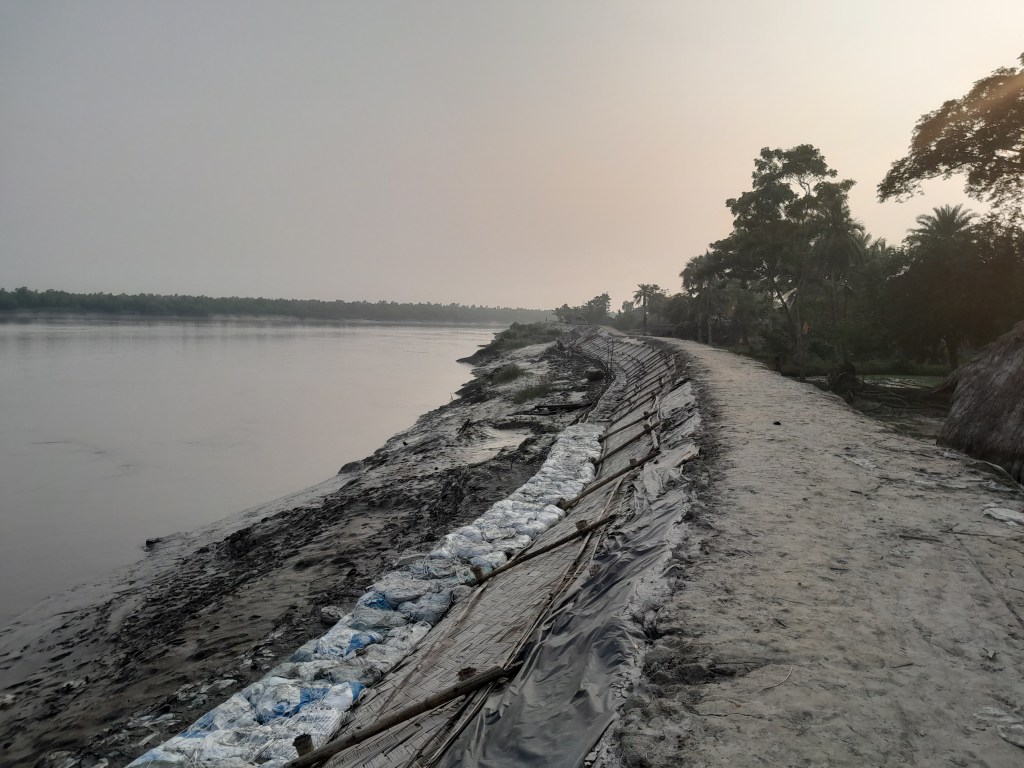
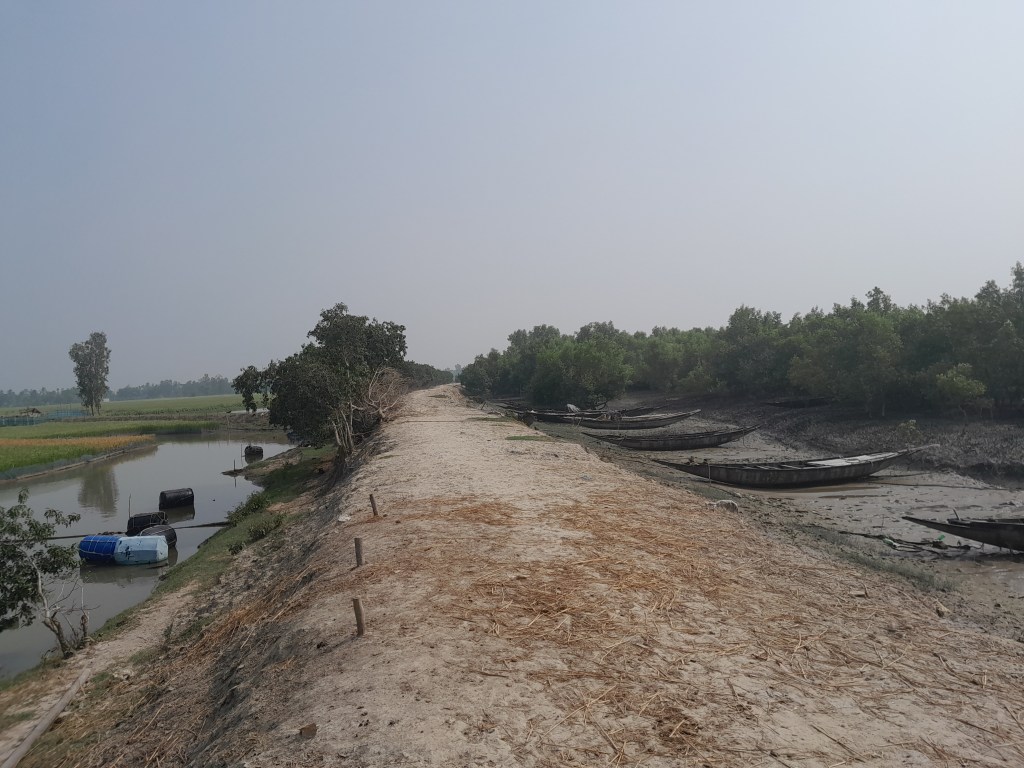
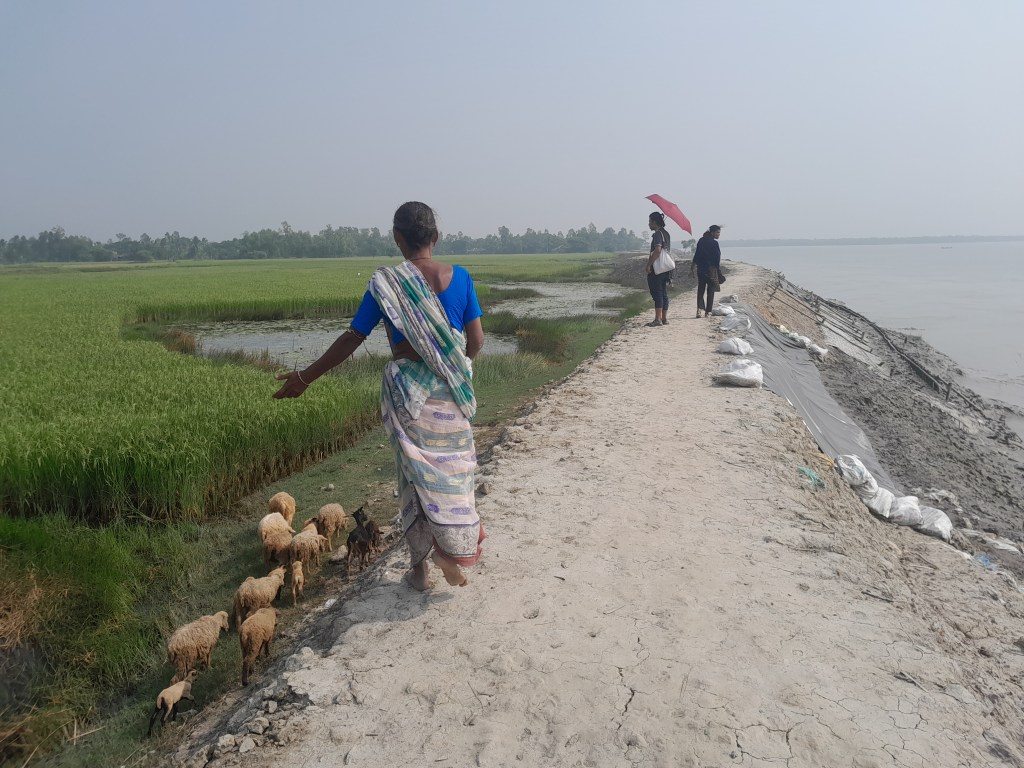
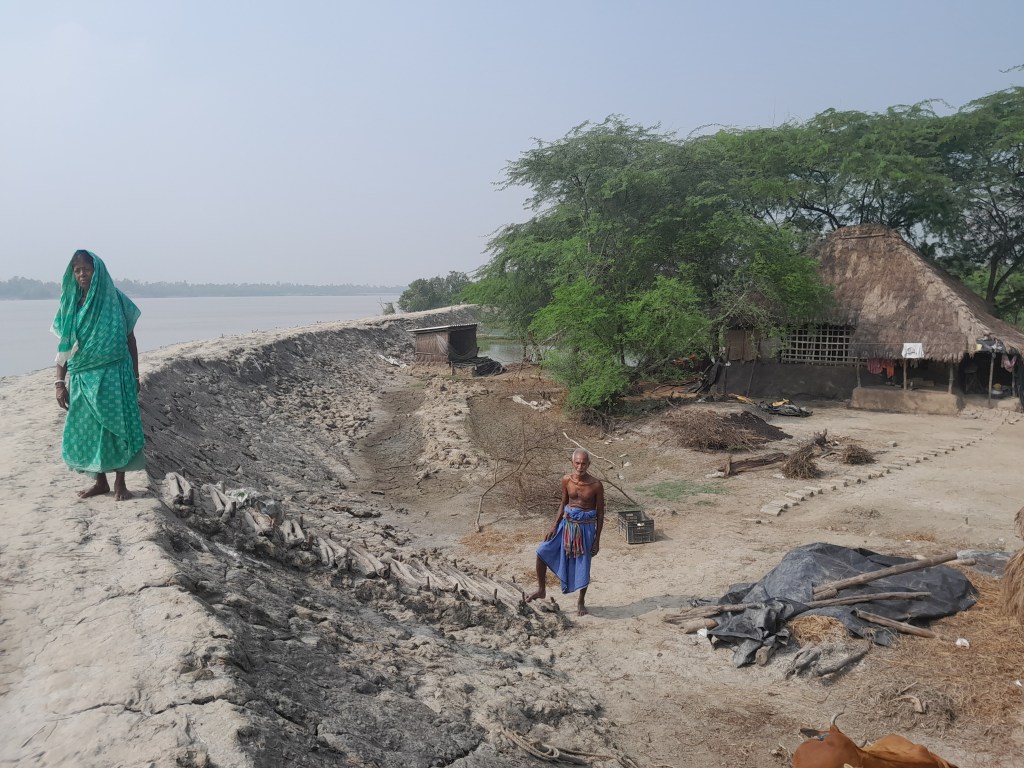
The banks of the islands on the Sundarbans are protected with cement bags, sheets, foliage, mangroves, and more. They are constantly being eroded and re-made, as locals continue to employ a range of techniques to gather these sands before they float away.

Despite their fluid nature, these edges are marked by much activity through the day, allowing residents to criss-cross and meet each other as they go about their days.

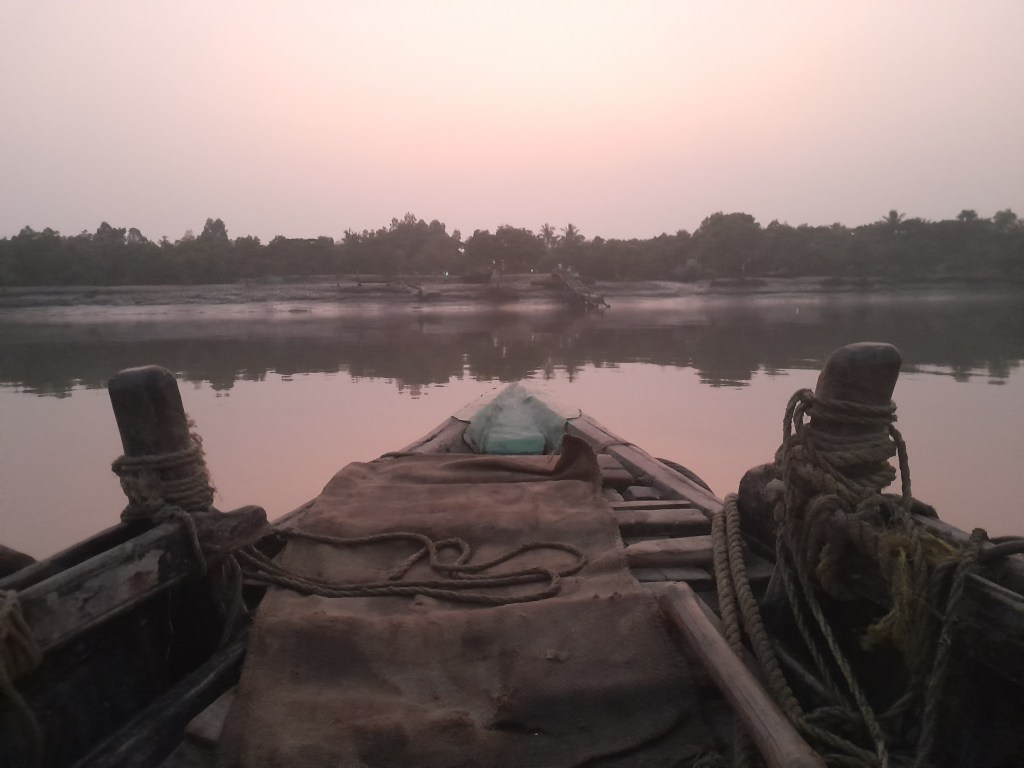
Several different types of boats ply on the river waters around the Sundarbans. This image was taken on the Amtali River, in December 2024. This is a modest local family boat, often used to cross the river between banks that are not at a great distance. This boat can accommodate between 20-25 people. 

Commutes across the rivers of the Sundarbans depend on the boats for their survival. Oftentimes, markets, festivals, temples, schools and other amenities are found on neighbouring islands, as are fields and workplaces. It is this lay of the land that dictates a life in motion for the people living here. The necklace worn by this lady is made of Neem, which is considered auspicious by the people of the Sundarbans. 

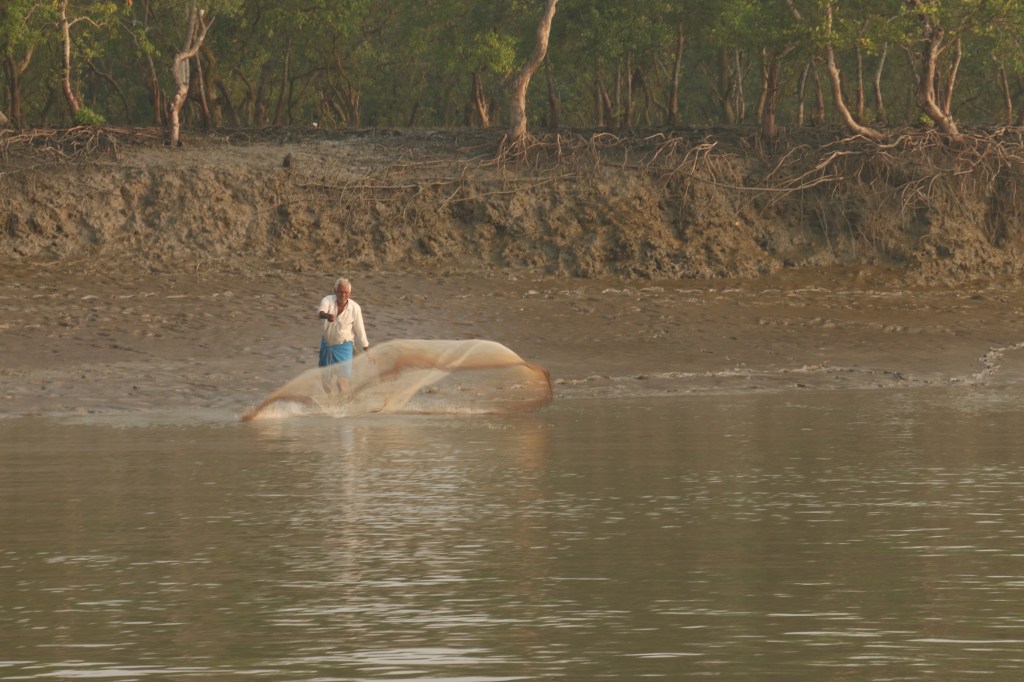
The Indian side of the Sundarbans is divided approximately in half. One is primarily forest area, and the other is inhabited. Parts of the urbanised islands are also used for fishing, depending on the vegetation. Various techniques and nets are employed while fishing.

A range of cargo boats and ships cross the river waters along the Sundarbans. This boat carried only bamboo, and disappeared into the thicket of the mangroves at the edge of the island.

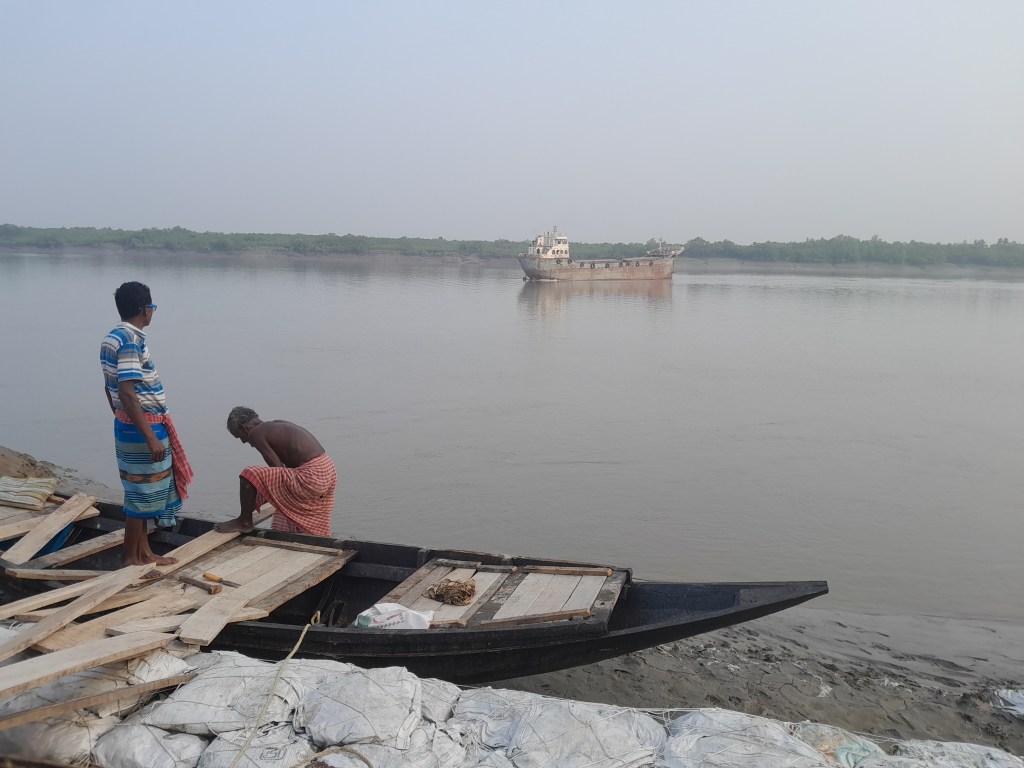
Residents of Kumirmari repair a boat as they watch a cargo ship pass by. Boats ply and trade takes place across Bangladesh and India. The water and cross border nature of the Sundarbans forests allow for international trade here. The green area across from the boatmakers is the beginning of the deep forest area, home to Dakhin Rai, or the tiger.

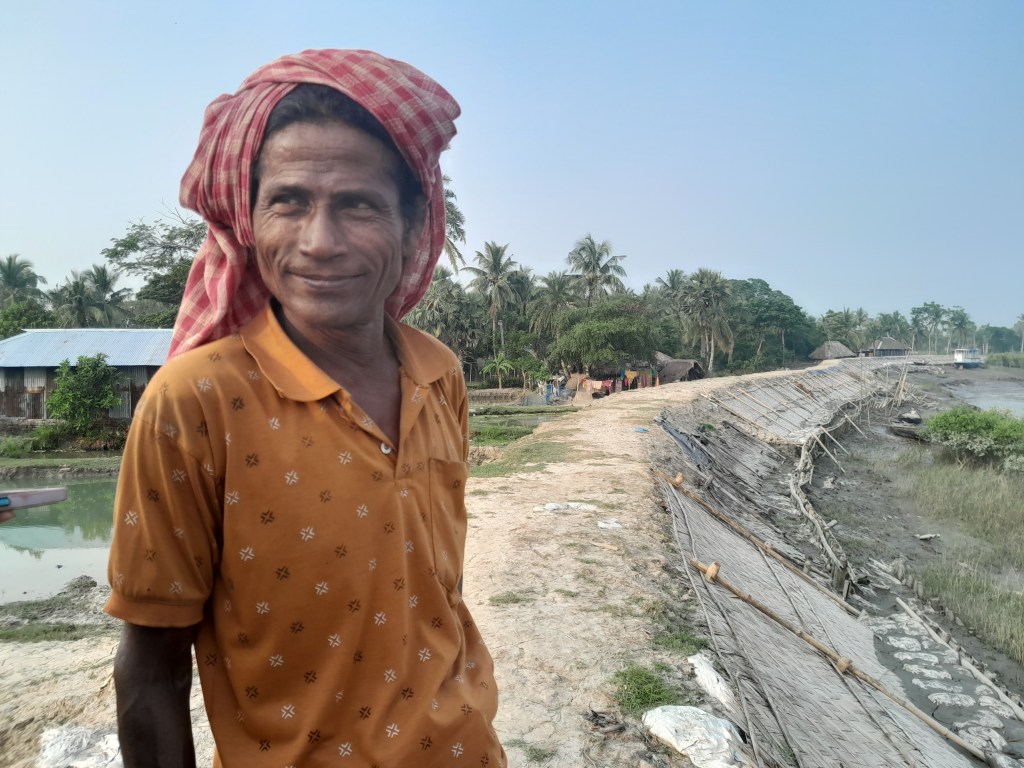
A boatman, poet, resident, and interlocutor who had recently returned from fishing in the River water, then took a dip in the pond and was finally off to visit the local shop in search of biscuits.

Livelihoods in the Sundarbans are also based on paddy cultivation and small-scale poultry farming aside from forest dependent subsistence.

An elderly couple living along the River bank. Their home has a small shrine to bonbibi.

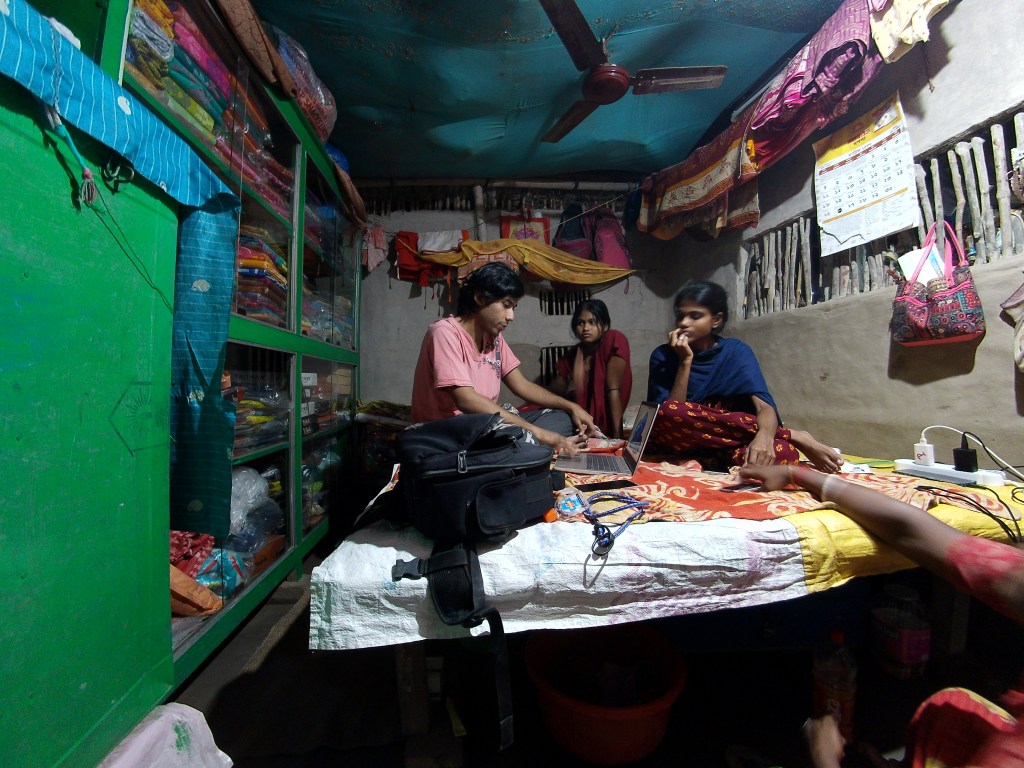
Sanchita’s home is made from wooden beams collected in the forests of the Sundarbans. This is the research team in conversation with her mother and sister. 

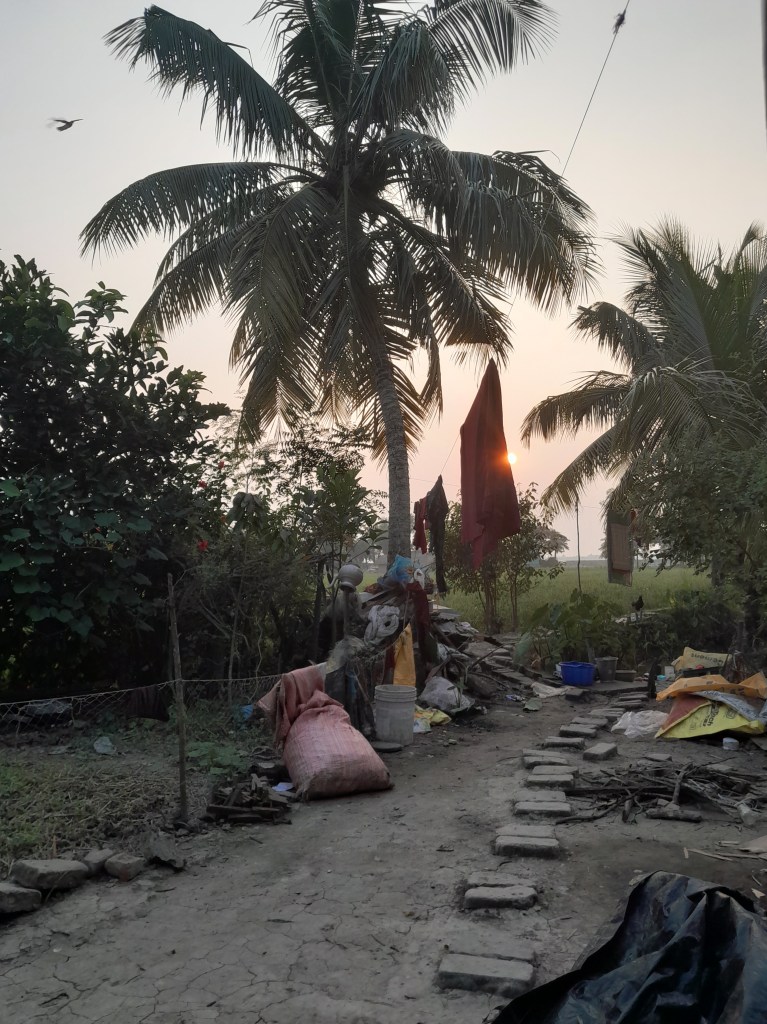
Homes in the islands of Chota Molla Khali and Kumirmari are constructed with care. Palm trees, gardens, laundry, small fishing ponds, and neat stairways leading to a patio are common in the area. We were welcomed and served tea at the homes of many new friends and residents of the area.

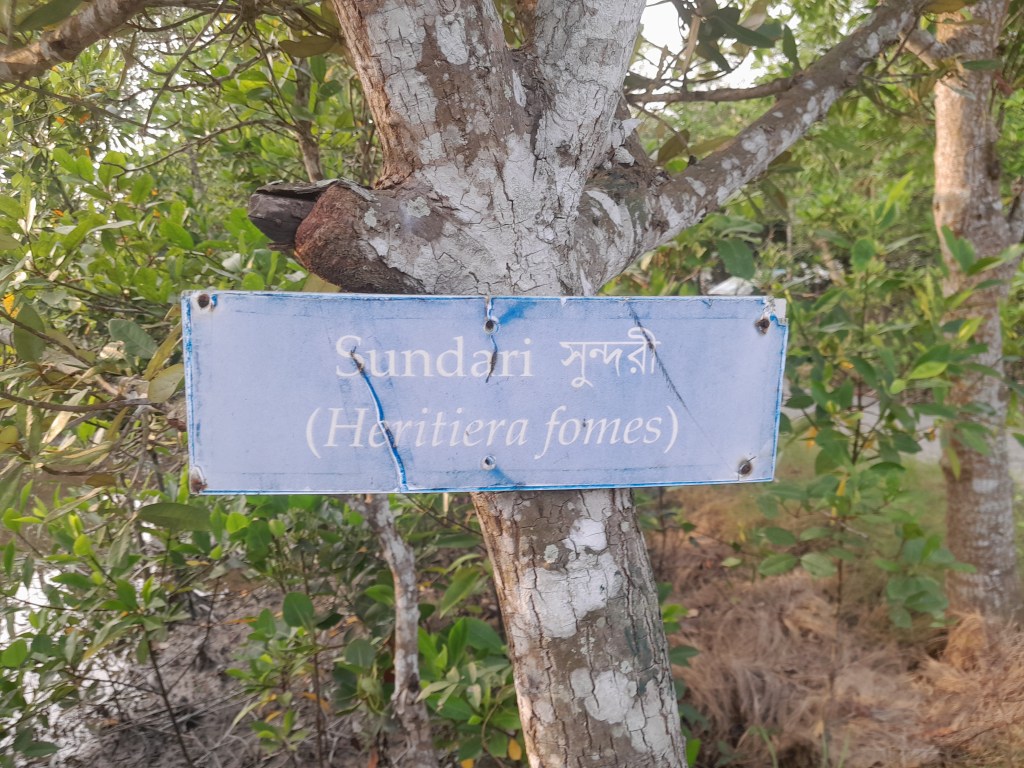
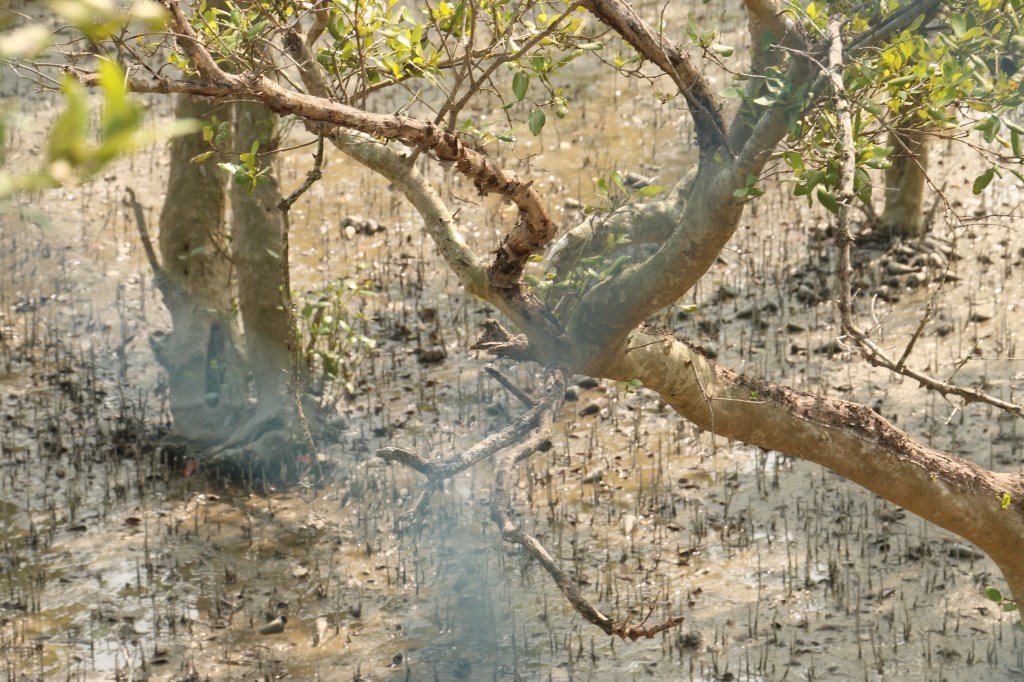
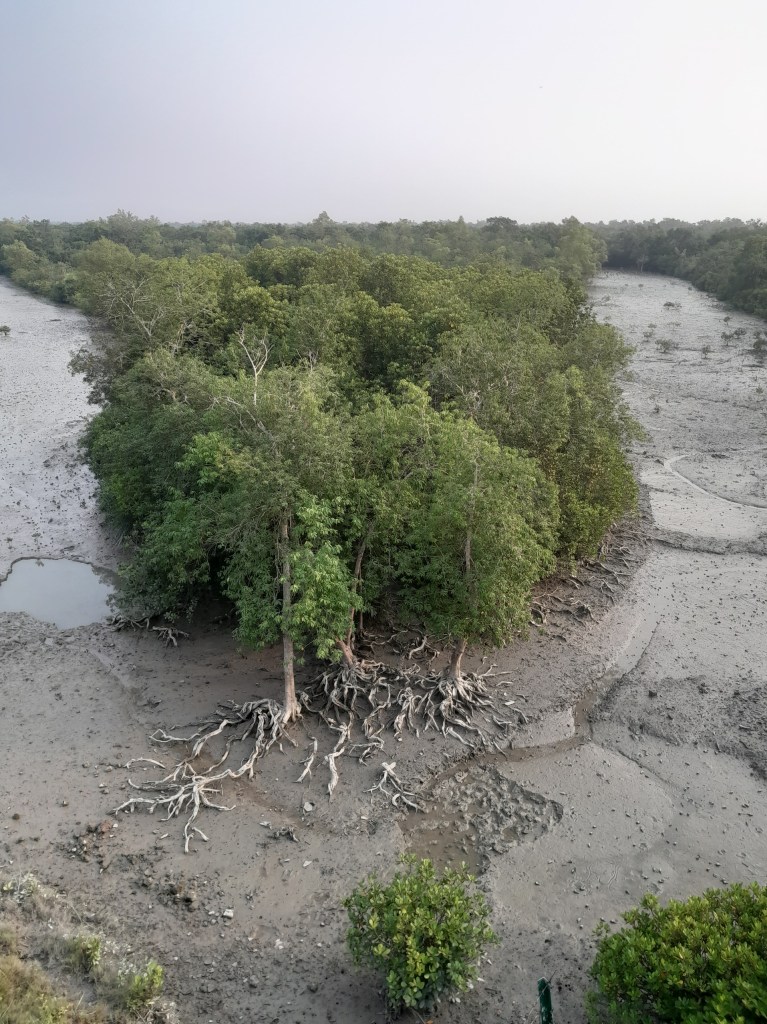
The Sundarbans is a forest of mangroves. Many of the different species of flora and fauna are documented and grown in nurseries neatly by the Forest Department. Parts of the islands are residential, while others form part of the national park. The park is divided into different zones, such as the core and periphery. The Sundarbans are named after this particular ‘Sundari’ tree, which is common in the mangroves. The roots of the mangroves are what hold the sands, islands and lives together. 

The weather is sunny, and this red fiddler crab was scrambling in the mud of the National park area of the bans. Crabs in the forest seem to prefer the cooler waters in the shadows rather than the sunny spots. This is among the smaller crab species in the area, which is home to a wide range of crabs, flora and fauna.

As in many national parks, tourists visit the Sundarbans with the aim to see the tiger. For many, this jolly fellow is the only one they get to meet. As in many national parks, tourists visit the Sundarbans with the aim to see the tiger. For many, this jolly fellow is the only one they get to meet.

Trees of the mangrove forests.

Featured

Life in Exemption: The Sundarbans, a Place To Remember

Tarini Manchanda

Rarely does a journey across multiple Indian states involve only one mode of transport. Typically, if you are neither very wealthy nor extremely hard up, you will be shuffled from train to car, jostled from bus to auto, and when going into the rural parts- often picked up and plonked on to vehicles that can be characterized as the masterful inventions of their riders. It is one of the many signs that one has arrived in rural India, to find a motor vehicle engine that is attached to a fruit cart or any makeshift device that can quietly turn into a roaring and capable vehicle to transport tourists (also), but one that is plying only to enable the travel of locals between village centre and village market, or village market and village centre. This is the story of a journey from Delhi to Kolkata, and Kolkata till the Sundarbans. It is also the story of life in this region that appears grey and quiet on the outside, but holds much joy and fervour on the inside. 

It was January, but the sun shone down bright and early, overhead. We were walking across fragmented and muddy islands of lands that one had only heard of in wild legends, and climate perplexations. The mud was dry now, but it looked like it had once been a gooey mass of grey. We were visiting the home of a colleague, Suchita (name changed to maintain anonymity), who grew up in what remained the almost fictitious landscapes and forests of the Sundarbans. Mangroves, gnarly and grey, unlike any other forests, I was told. Beyond this, I had no idea what to expect. Between tigers, and deities, it was difficult to gauge what the people living here would depend on these forests for. We were traveling to the region, to poke into questions about these lands, and how the forest was being used in the everyday lives of locals. How did they depend on the forest, and did it depend on them at all? As more dialogues on forest rights, the jungle and its fragile future open up, what really will be lost, and are people really prepared to lose it all? What else could the future imagination for the region become?

From boat to bank, the journey did involve at least 6 different modes of transport, each of differing duration and usually on water but also on land. Souvik, who was guiding and interpreting as I fumbled to understand Bangla, pointed out that we were to be taking a journey often taken by locals who are returning home to work after long days of labour in the city of Kolkata. Hordes of people would board the trains coming into Kolkata in the mornings, and what seemed like larger crowds would board them in the evenings, to go back home to their villages. It was not unusual then that this journey was interjected by groups of religious sects, asking us to sign a leaflet and declare our faith. What was unusual, however, was that these groups belonged to the Hare Rama and Hare Krishna groups who were traditionally not as engaged in proselyting as they were in singing, celebrating and performing their beliefs with fervour, at least the last time I checked. On this trip, however, their presence was a part of the landscape, sometimes echoing in songs wafting through the cool night air of the Sundarbans. As forests that held creatures known to humans since the time of the crustaceans slept. Odd shaped crabs, in an array of colours, snored soundly in the jungle, the spirits of age-old belief systems came alive, swirled into the night sky, and buzzed around the ears of tired travelers.

Once in the bans, or the forest, one does not experience a sense of awe, but we are in fact nudged to observe the complex root structures of trees, the swirling and knobby branches of the small leaved fauna, and the oddly enigmatic foliage that seem to be standing not on soil or on water, but in mid-air. These small bushy trees are the home to ‘Dakhin Rai’ or the tiger as legend would have it. His evil and hungry roar finds its way into stories, and deities scattered through the islands. Anthropologists have written accounts of complex systems of social cohesion, where the local honey is open to all foragers, and never fully extracted by any one person since it is considered a community resource. This sense of camaraderie between forest adjacent people (not forest dwelling, because actually living in this forest requires the felling of trees and consolidation of lands, and therefore the destruction of forest), between forest adjacent people- is a well-known parable, ethnographic curiosity and it emerges in the many instances of ones’ experience on the islands. That the bounty of the forest doesn’t belong to any one person was made clear even in Ghosh’s ‘Tigernama,’ a story based on folk tales, warning readers of the punishment meted out to those who seek to plunder the jungles of its plenty beyond acceptable limits. With Bonbibi starring as the justice minded, religiously syncretic version of a goddess, the story holds many metaphors and ideas to allow a new reader to understand the region and its people with some depth, if they choose to do so.

To me, the idea of thousands of people traversing these landscapes as part of their daily routine was still almost unbelievable. How did they live in these fragmented and precarious lands, at all? What was the story of survival? How did they eat, live, feel and think about their connection to the forest? How did they love, make friends, and socialize? We were soon to walk into answers to these questions, but not before a good number of hours were spent sitting in boats and watching the commuters ply between the banks of various islands. Not before a pleasant dunk in one of the many ponds found in almost each home of the Sundarbans. 

But before we get to the ponds, we must dwell on the boats. To get across the islands of the Sundarbans, locals take boats that usually carry up to 100 people per journey. Each commuter walks on to the passenger boat, these don’t seem to have names, only motors that carry the boats to and fro. Travelers find a spot on the wooden rim to rest on. Once settled in, they can gaze off into the distance as long as the boat meanders its way through the waters. These naturally ordained mental health breaks with the air of the Sundarbans were common through the journey, as was the cosy and packed deck full of people. While the boat makes some sound in its movement, the air is thick and the space is wide enough for you to forget it.

If I take a moment to compare this experience with that of a bus, the mere difference begins at the ticket. For buses, travellers will spend some of their time waiting for the conductor, and to pay for their ticket. Then, depending on the length of their journey, they get to stare into the distance. In this scenario of the wooden and muddy boats, the tickets would be paid for upfront, and so, the journey was spent in silence, allowing me to wonder what people were thinking about. Perhaps they are forgetting that they are on a boat, and thinking of what they would cook for the family that evening, maybe it goes deeper- maybe someone is working out what their grandmother said to them in childhood, perhaps it is just about the next day’s Jatra (local festival of deities and theatre)? Instead of presuming, it was necessary to take a glance around the boat which revealed all kinds of people and their cargo. 

Sometimes, the cargo was large poultry, groomed for a cock fight, other times it would be bamboo, old water pumps, bikes, bags of vegetables, biscuits, all kinds of treasures were nestled in corners of these floating structures. Bags upon bags containing the aspirations of families trying to make lives out of their existence on the bare islands. Why would they want to live here? I asked myself. Why not leave when you could see the river rising and falling to engulf and then recede away from your home? It was, after all, the Hungry tide that we were looking at. Just as one boat was about to dock, I found myself running to capture the well-timed fishing net, thrown into the air by fishermen on the shore. At this moment, nearly everyone on the boat suddenly became invested in my quest. I clicked, only to capture the net in mid-air, and as I looked away from the camera, at least 5 strangers asked me if I had been able to capture the image. It was a truly local experience. One that I will make more of later.

In his book, ‘The Hungry Tide,’ Amitav Ghosh tells the story of these islands across time, social hierarchies and space. As his protagonist makes his way to an aunt’s place in the bans after years, he notes: “The freshly laid silt that bordered the water glistened in the sun like dunes of melted chocolate. From time to time, bubbles of air rose from the depths and burst through to the top, leaving rings on the burnished surface.”

To me, an outside observer, none of these nuances were visible yet. It was merely water, grey sands, colourful sari, and noisy tourists- until I really looked. The pleasure of ignorant binaries and quick judgements didn’t last long, Suchita’s family took us in with warmth and affection. We were guided into a realm of slushy pond floors and lazy crabs stretching their arms across the cool of the water to move into a different rock crevice, and to do it sideways.

It was mid-day when we arrived, the embankment was about 5 ft tall, the water was definitely shimmering and I was standing on the fabled melted chocolate that looked like it had spent too many days in someone’s cupboard, saved perhaps for a special day. Suchita’s mother was gesturing for us to come inside, as she would feed us crabs fresh from the forest. Aside from the food, the wooden beams supporting the home, the medicinal plants such as Keora, fish and honey were brought from the forest by those who dared to visit the depths of the jungle or what was locally called ‘deep jungle’ in Bangla.

In the coming days, I would visit the local Jatra or play festival in a local Sari, make a trip to the forest department’s cordoned off reserve areas, and a tourist resort where we were accompanied by a boat full of loud Delhiites, aching to meet with Dakhin Rai, the fabled and much loved. These, however, are stories for a different blog, and a different day, for now we must rest into the slush of the muddy ponds and cool down, really quiet down, to slowly begin to enjoy the many memories of this journey.

To truly understand life in the Sundarbans, would take years of experience, time and observation. However, a few days on the island of Choto Molla Khali revealed an existence that was at the same time idyllic, survival oriented, bounded in plenty and much more. Through walks across the islands at various times of day, conversations with local residents, and a stay at the childhood home of our colleague, we became familiar with some of the rhythms of everyday life in the area.

Suchita’s mother lives with her own mother, her daughters and mother-in-law, while her husband is away in the city, working. Her day is spent procuring the main meals, and caring for her family and shop. She is a strong person, in charge of much around her and resilient in ways that one can only imagine. Suchita’s mother is not only a shopkeeper, bookkeeper and well-known throughout the island, but she also does occasional farm work. Over the course of our visit, she told stories of cyclone Aila and how it swept away the house, but she made sure we were safe, well fed, entertained, socialised, and warm in our time there.

This very small peak into the lives of some of the residents of the island of Chhoto Mhola Khali was insightful. A morning on the island begins early, as fisher-people (irrespective of gender and age) take boats out into the forests. These boats are gone by the mid-mornings when we take walks in the area. Shops have opened their doors, and families who stay back are either managing fields, looking after fishing nets that have been placed strategically to catch some fish over the course of the day, or managing household tasks such as preparing meals or fishing in the pond for the morning meal. 

While many of these activities are dependent on a lifestyle of subsistence, we learnt that a growing tendency in the area is to find employment outside the islands and as labour in the cities. In the case of one family, the younger daughter’s school fee was quite high, but her father was unwell. Despite his ill-health, or perhaps to recover from it, he had taken a boat into the fabled jungles to hunt the forest bounty. Stories of his visit were told as a form of sacrifice, as plying boats into the jungle remains difficult for both practical and social reasons. People who ply out into the waters often require permits that can be too expensive for them (some accounts mentioned that permits cost between Rs. 1000 and others at Rs. 80,000). Accounts of people who go into the forest were usually connected to some form of compulsion or low income levels. For instance, Suchita’s grandmother explains that one of her husband’s companions. He would go into the forest despite his old age, and even lost an ear to an “accident” or encounter with the tiger. Such stories are not uncommon, often accompanied by almost fairytale-like detail, where the tiger’s mouth is sealed, or people get sacrificed. In this mingling of reality, emotion, imagination and folklore, it is not necessary that every story be entirely rational or truthful, but its telling and each rendition adds a layer of mystery and some shape to this ethereal and largely neglected region.

While a real hunt in the jungles of the Sundarbans remains an enigmatic expedition to the outsider, we were able to catch hints of these journeys both in the literature of Ghosh, but also in moments on a tourist boat. Standing on the tourist boat of a lodge, we noticed a small fishing boat frantically paddling away from us. Those inside the boat seemed extremely worried, and scuttled away into the bush in the mangroves, almost hidden away from view. A similar encounter takes place in The Hungry Tide, but in this case, the boat people have to lose their day’s catch and some money to the highhandedness of the forest guard. Thankfully we did not get close enough to cause any harm to the fisher-people. The small boat and its inhabitants seemed extremely vulnerable in several ways, as they rowed away frantically rocking the boat from side to side. The vulnerability lies either in the risks of their work, the penalty for those who ventured outside of demarcated areas, and in the stories of instances wherein hiding from the forest guard patrols could often land them in trouble, if it didn’t take them closer to the jaws of the tiger. Even as many of the fishing boats spent days on water looking for their catch, and away from the island, we did get to see a glimpse of one boat just as it left the shores of Chhoto Mhola Khali. This boat was simple, made of wood, bamboo and tarpaulin, it had a small stove, some tools, torches and the implements to last its deckhands some days out in the waters. The tourist boat, however, was much larger in comparison to the one being used by fisherpeople. Since the journey on a tourist boat was loud and stayed away from the smaller streams and islands, we were not too bothered by tiger sightings, partly also because the boat guides mentioned that tiger sightings often happened only every 6 years, and therefore not often enough to be significant.

Suchita’s grandmother, however, recounted the memory of a time when tigers were not so far away. She explained that her elder son, who would visit the forest, had many run-ins with the great Dakhin Rai. Although the tiger is now seen as a creature that lives very far away, there was a time when the threat of attacks was much closer to home, but the jungle also presented a larger bounty.

“My eldest son still goes to the forest. He catches fish and crabs. However, her grandfather used to collect honey and wood. He also brought wax and fruits of Hetal, Keora, and Taru Phal in large quantities. Mostly they collected wood and sold it. Tigers used to come often to the villages back then.”

In such accounts, the story of the tiger’s presence is only as a predator, however other accounts that we encountered in the time we spent walking across the island expressed the deeper connections of wildlife to everyday imaginations of the space, of social relations and much more. For instance, a couple living in Kumirmari explained their long standing belief in Bonbibi, and told us the syncretic origin story of the goddess protector of the forests. It was through these encounters as people went about their days, that we learnt a little about the imagination and practical life in the region.

Finally, as the day was turning to dusk, people went back home from boat making, or drying fish and other activities, to spend time with their families, eat or prepare meals. While the social structure resembles that of other communities, what struck me was that young men and women living in the Sundarbans are adept at plying boats across the River, at all times. It was Jatra season, which is a time of festivities, and many people were attending local celebrations in the form of plays, music and storytelling. To attend the festival, however, families would dress up and venture out and take boats across the currents of the River. These moments were spent in moonlight, with waters that swayed us only a little, navigated by the youth who were keen to spend a night being entertained. While the performance didn’t live up to their standards, and presented itself as a night of much less fun than imagined, the young people found a way to connect with one another, to speak and have a night off away from their other responsibilities. 

In these moments, across rivers, it was evident that the Sundarbans is just like any other place in its human stories, and yet it is a unique plethora of art, culture, syncretism, imagination and much more. 

Featured

Mangrove Restoration lessons for and from Sinthilya village, North 24 Parganas

Radhika Bhargava

Sinthilya village is located near the India-Bangladesh border towards the north of Sundarbans mangrove forests’ core areas. It is a village that replicates and lives with every love problem of the Sundarbans – tiger attacks, erosion, flooding, single crop lands, saltwater intrusion and cyclone damage. Evidently the area is poverty ridden and the population is dealing with numerous issues to survive.

However, with the combined efforts of the locals and Jaladarsh collective some significant solutions are being implemented.  One such solution is of mangrove restoration. The purpose of the restoration project undertaken by the Jaladarsh collective is not only to promote green spaces but to also restore the shoreline and provide alternative livelihood options. It is an invest for the sustainable future of the village.  The eastern area of Sithalia has multiple mangrove restoration beds. Some of these are undertaken by the local government who is taking care of naturally accreting and naturally restored lands, and Jaladarsh is contributing by converting other eroding wastelands into mangrove beds.

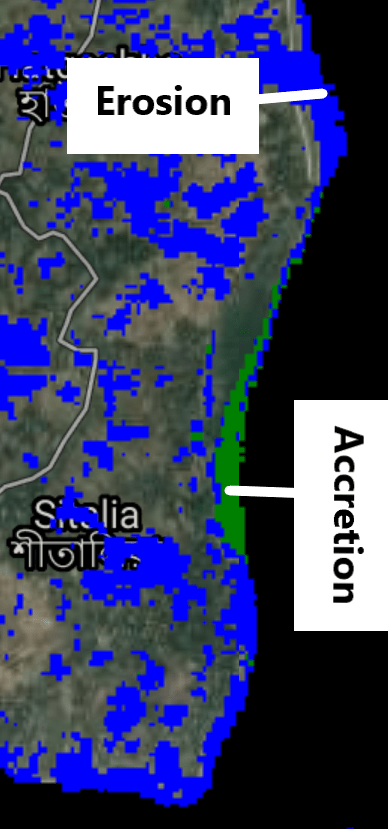
Erosion is one of the most prevalent issues in the region and it exacerbates the impacts of other stressors in the region. One of the direct impacts of erosion is loss of land which leads to migration of people and loss of biodiversity. Eroding lands also act as a foreground for extreme losses that can abruptly take place overnight. In the Indian Sundarbans, the total amount of erosion has been 136 km2  over the past 35 years. In Sinthilya, erosion is taking place on the eastern side (Fig 1.)

Fig 1. Erosion (Blue), Accretion(Green) over the past 35 years in Sundarbans.

A question that often arises with mangrove plantation, one that we discussed with the local community on Jaladarsha Collective’s field trip to Sinthilya in March was – is it better to plant mangroves on accreting land or on eroding land?

While planting mangroves on an accreting land is promising as the land will keep growing and the newly planted mangroves will help in holding on to the soil, the downside is that the land or that area is preferred for land growth so mangroves might naturally settle and grow there. So, it might make sense to promote mangrove growth in the eroding areas. Eroding land is prone to further erosion, if there are no mangroves growing in that area, it might get eroded very quickly. If mangroves are grown in such areas, they will hold on to whatever land is remaining and with other intervention erosion can be prevented. If a land start eroding once, it will keep eroding unless the force is disturbed or distributed. With mangrove plantations and some bamboo, brick, and wired structures such disturbance and distribution of force can be achieved.

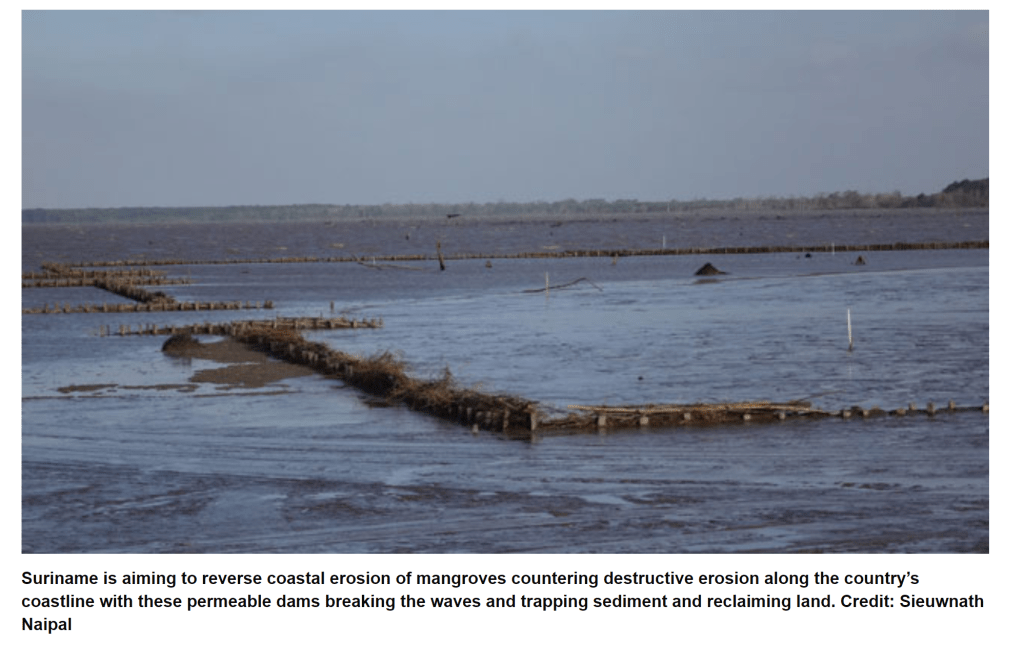
The beds where Jaladarsha Collective has planted mangroves is on the eroding beds. The plantations have successfully survived for _ months. It is promising that the plantations would develop into healthy mangrove beds. But a sign of worry is the eroding shape of the shoreline. When the shoreline is curved like a ‘c’ shape, the impact waves that hit the surface is increased which causes additional erosion. The collective can investigate nature based solutions1 (like permeable dams made of wood, bamboo, brush) to somewhat weaken the waves that hit the shoreline. With a caveat that they are properly monitored for the long term and any side effects are remedied. Therefore, with reduced wave energy and increased support from successfully growing mangroves the stability of a historically eroding bed can be promoted.

Another key lesson from the plantation initiatives of the collective is promoting the growth of mangrove predecessor species like dhani grass (Aeluropus lagopoids) and Sea Holly (Acanthus sp.). These species were growing along with mangroves on their planted beds. These species aid in bed formation that will eventually promote mangrove habitation. Along with these species, various crustaceans (shrimp, crabs) and other mangrove associated flora and fauna are also needed to create a healthy environment to promote mangrove health on plantation beds.

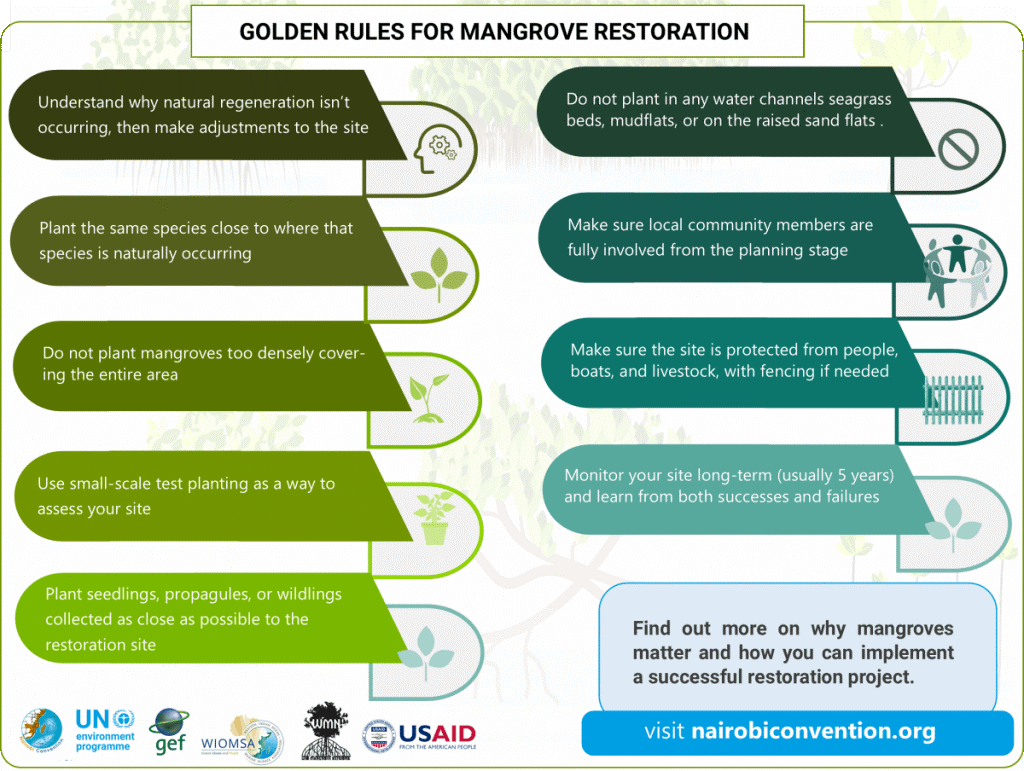
One problem that is yet to be resolved is the issue of goats eating and disturbing newly planted mangrove beds. The goats in the Sundarbans have developed affinity for salty and muddy mangroves! So, during summer when there is not as many green spaces around, they prefer to munch on mangroves. In some areas fencing can be done but sometimes the goats won’t even spare the bamboo fencing. Villagers try to be vigilant of goats, but it is not the most proactive solution. One way would be to give feed to the goats so that they don’t have to go to mangroves or may be psychological training can help as a long-term solution. Finally, some of the basic things every mangrove plantation initiative should consider before, during and after plantation is done are outlined in the infographic below.

References:

  1. https://doi.org/10.1016/j.ecss.2020.106798
  2. https://www.conservation.org/blog/new-science-restoring-forests-coastal-protection-and-more?utm_campaign=General&utm_medium=social&utm_source=twitter&s_src=twitter&s_subsrc=General_2021Jul26

About the Author:
Radhika Bhargava is a coastal scientist who specializes in large-scale ecosystem processes and threats. She uses geospatial analysis and social sciences to understand how transboundary ecosystems can be co-managed with the community. Currently she is working on the transboundary governance of the Sundarbans for her PhD thesis at the National University of Singapore in the Mangrove Lab and as a National Geographic Explorer.

A Story of Solidarity and Success: Visit to Chizami on the 16th Biodiversity Festival by North East Network

Souvik Das

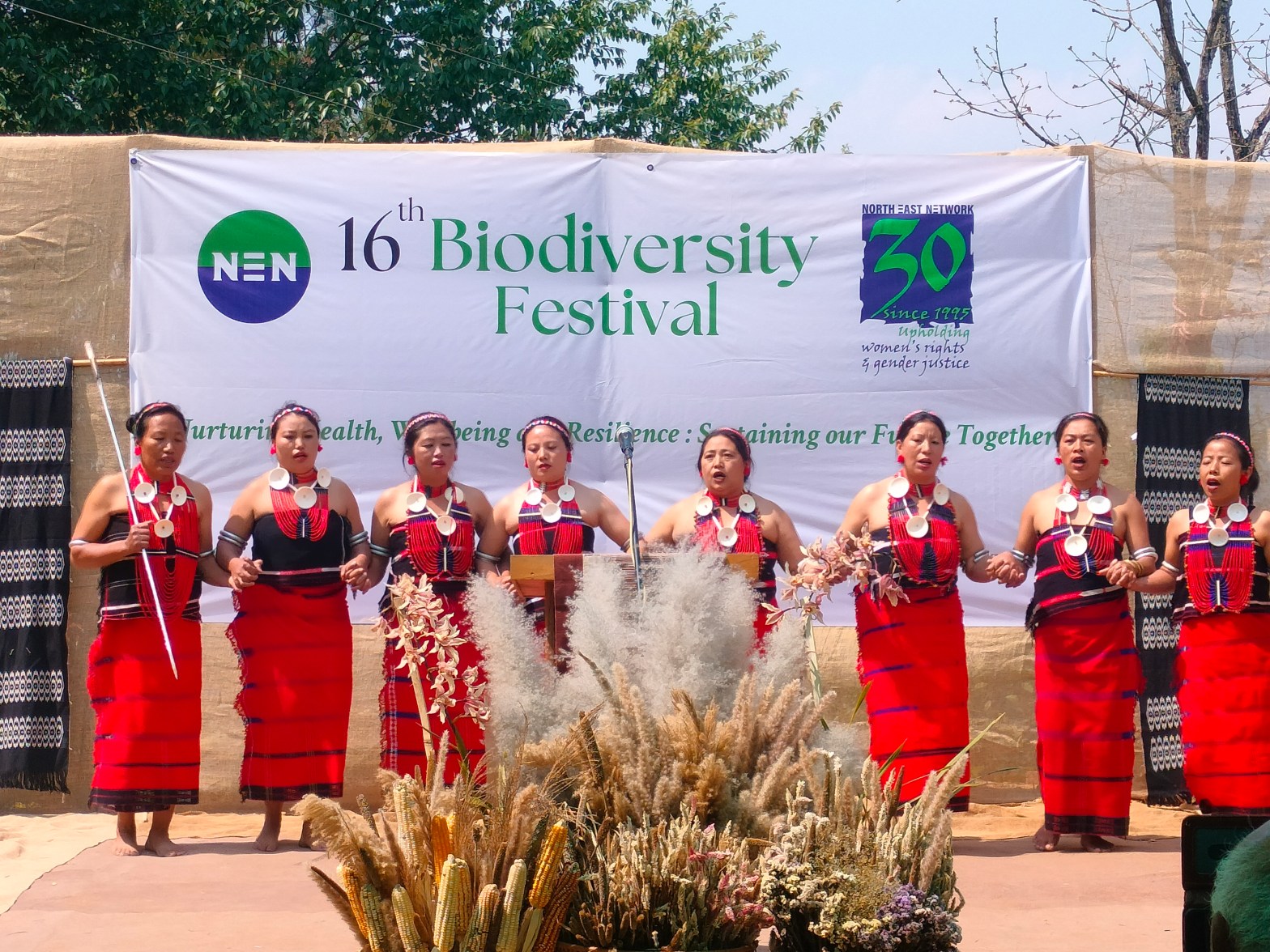
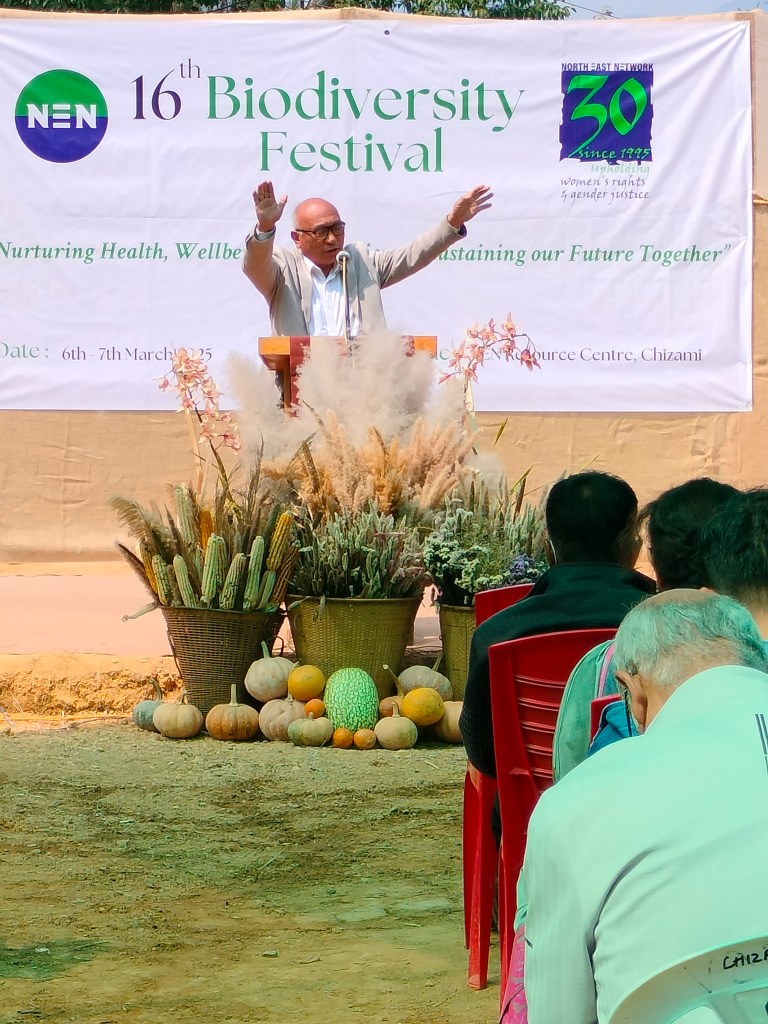
It was exciting from the beginning. The moment we got to know we have been invited by the North East Network (henceforth referred as NEN) to participate in their 16th Biodiversity Festival in Chizami in Nagaland, which also marks their 30th anniversary. For time constraints we could not be present at Chizami for the entire event. However, the phenomenal experience and rich insights that we gathered in the rendezvous have opened up exciting new ways of seeing and approaching gender and environmental violence and resistance. The experience and reflections shared by veterans as well as younger activists on field present multilinear perspectives on sustainability and gender justice.

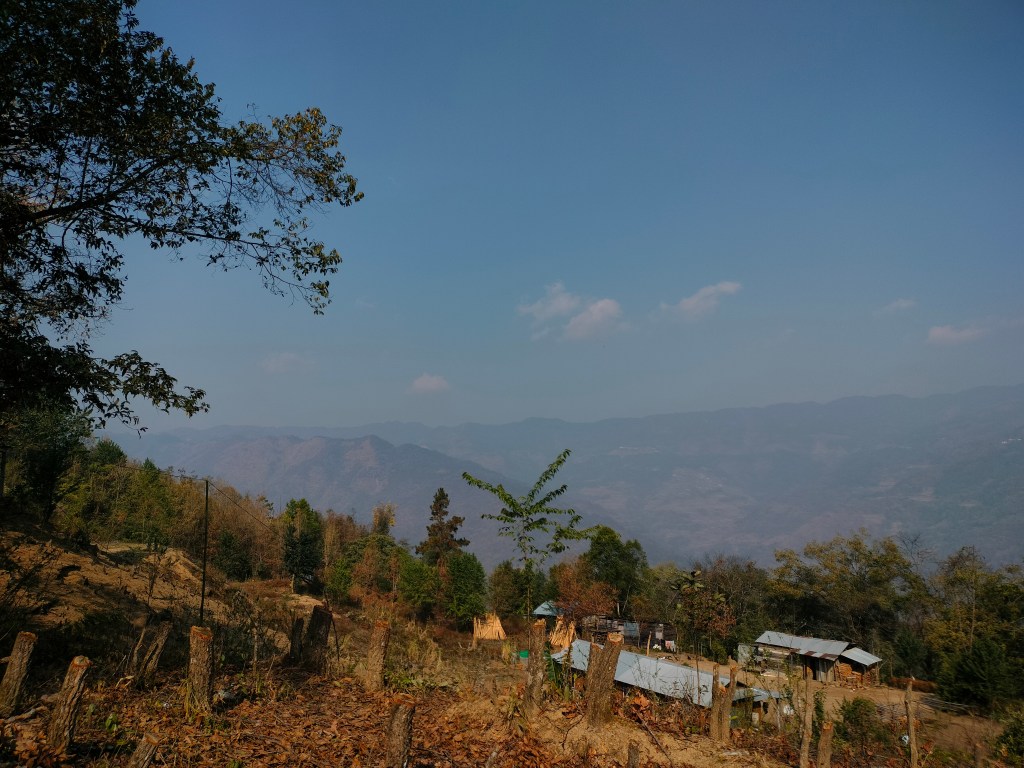
Early morning at Chizami Village

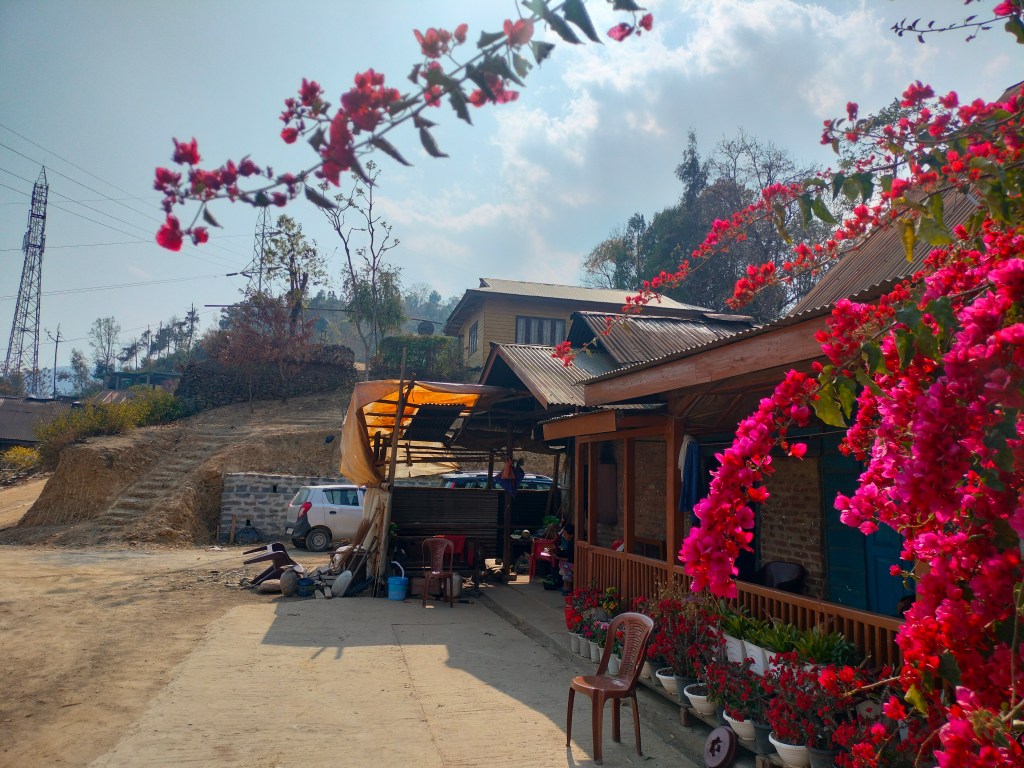
Chizami is a quiet village in the hilly district of Phek. For over a decade NEN has been working tirelessly in Chizami creating livelihood opportunities for local women through traditional textile weaving and organic farming. 

The Chizami model of sustainability takes an integrated approach that harmonizes socioeconomic development with environmental conservation. These programs include training in bamboo craft, food processing, organic farming, rainwater harvesting, and low-cost sanitation. Beyond technical skills, the model also addresses broader societal issues through workshops on governance, women’s empowerment, and human rights, fostering a holistic framework for sustainable development.

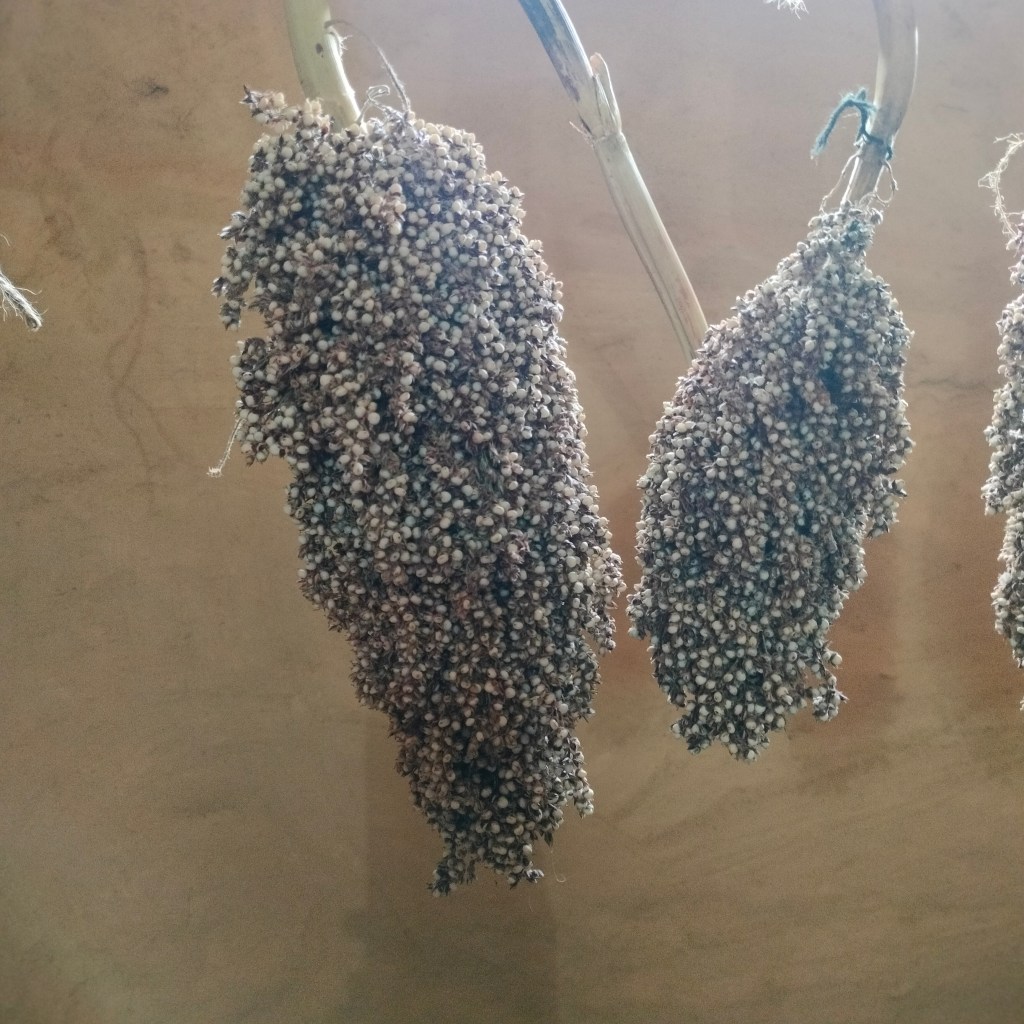
A key focus of the Chizami model is the revival and enhancement of traditional agricultural practices, particularly the promotion of millet cultivation. Millets, known for their resilience and long shelf life—remaining edible for up to 30 years—are highlighted as a critical crop for ensuring food security, especially during droughts. This awareness campaign has already inspired 150 farmers across eight villages to transition to millet-based farming systems, underscoring the potential of traditional crops in addressing contemporary challenges.

Central to this agricultural transformation is the leadership of women farmers in Chizami, who are pioneering sustainable practices through the management of traditional seed banks. These women possess the expertise to distinguish indigenous seeds ensuring the preservation of high-quality, locally adapted seeds. Their role extends beyond seed conservation; they actively disseminate their knowledge, mentoring fellow farmers and strengthening community resilience. This grassroots-led initiative not only safeguards biodiversity but also reinforces the critical role of women in sustainable agriculture and food systems.

Sorghum
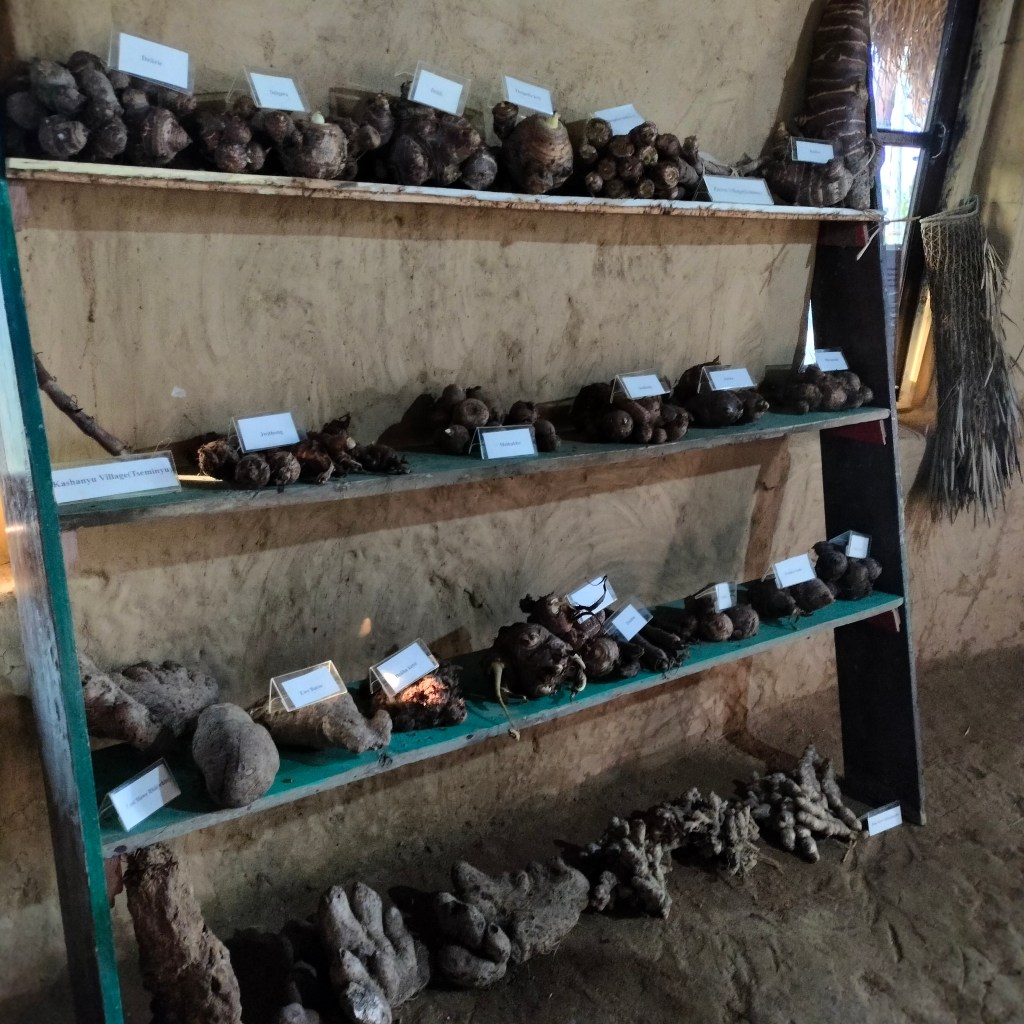
Roots and Tubers

We were hosted in a snug cottage homestay offering platefuls of local delicacies and a peep into the mundane unfolding of life in Chizami.

Lilly Homestay
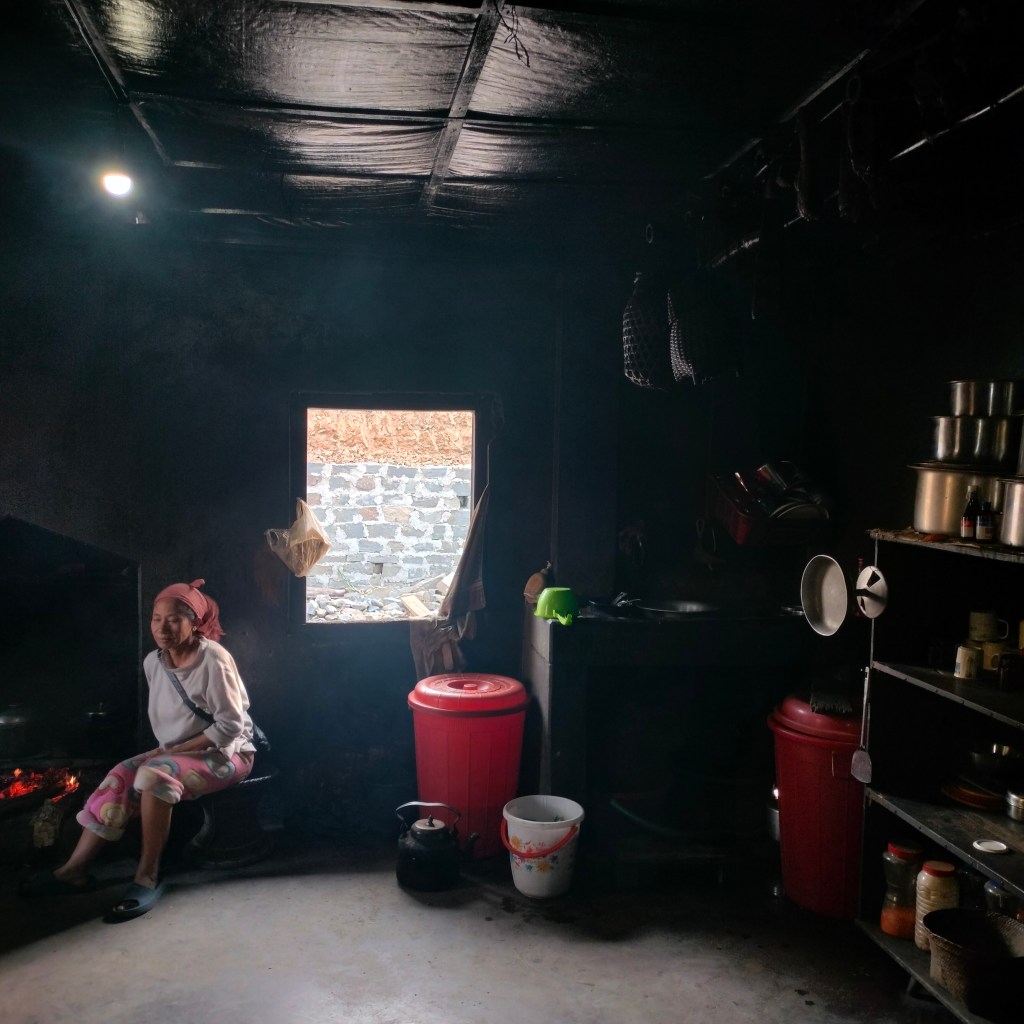
Lilly in her kitchen

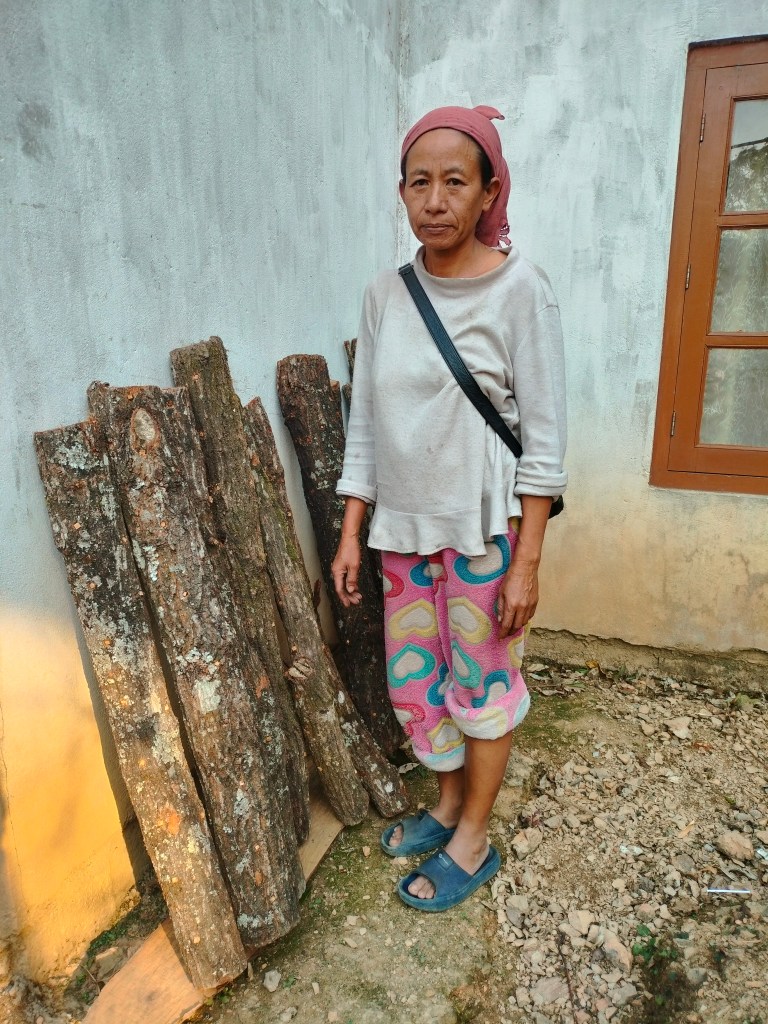
Our host Eyepiu (lovingly called Lilly) not only maintains the homestay but also is a skilful cultivator.

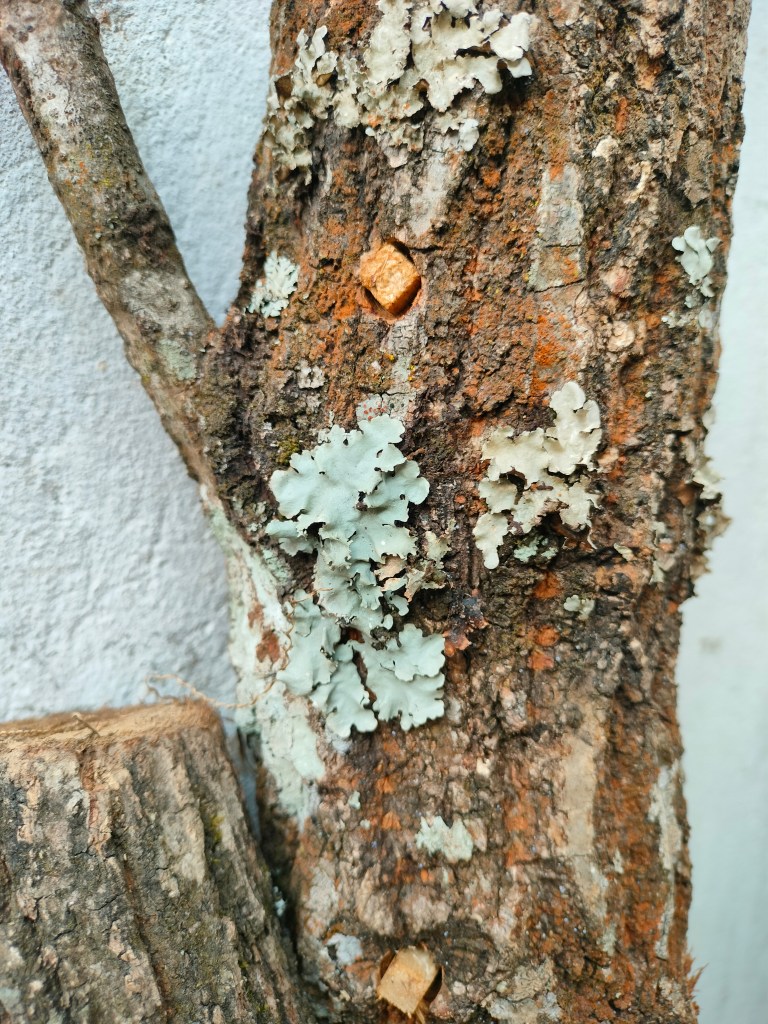
Lilly with her lichens

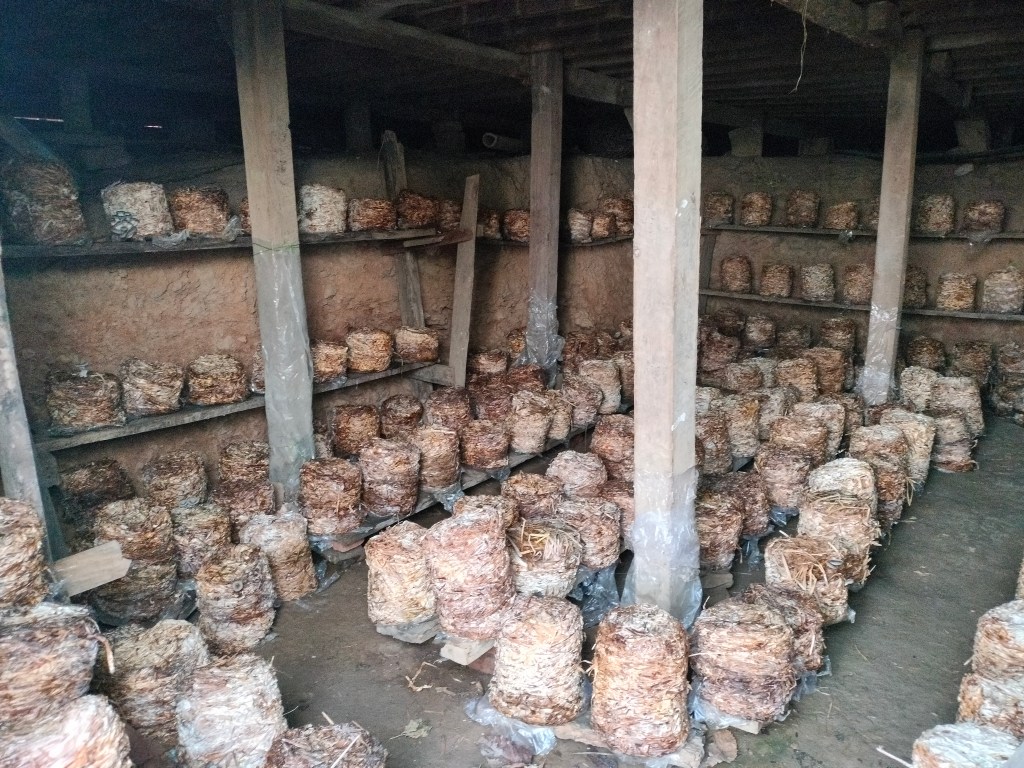
Lilly showed us her Mushroom farm, where she is growing Oyster Mushroom along with powdered ruffle lichen (Parmotrema perlatum), known for its earthy flavour when cooked.   

Powdered ruffle lichen
Oyster mushroom farm

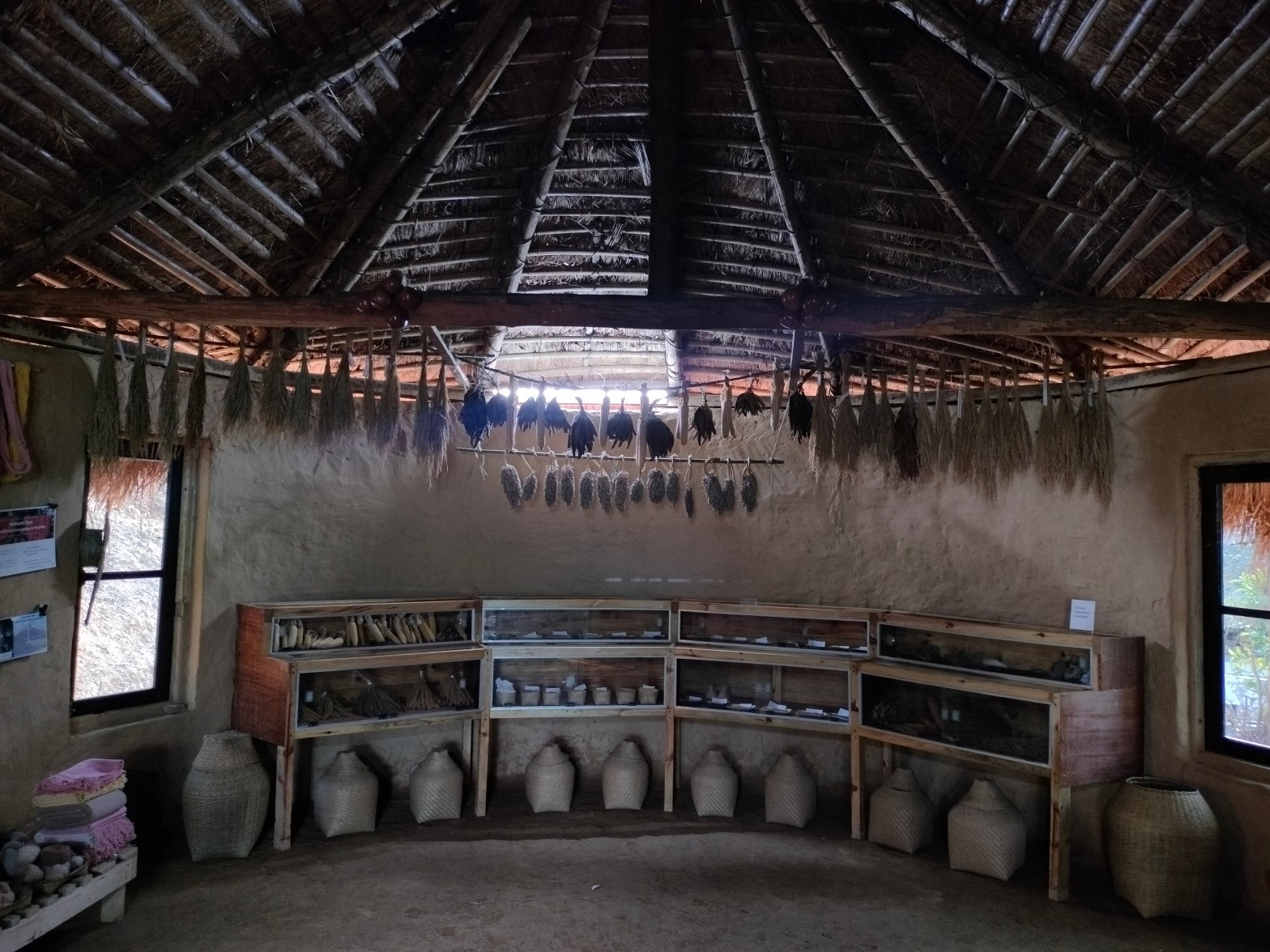
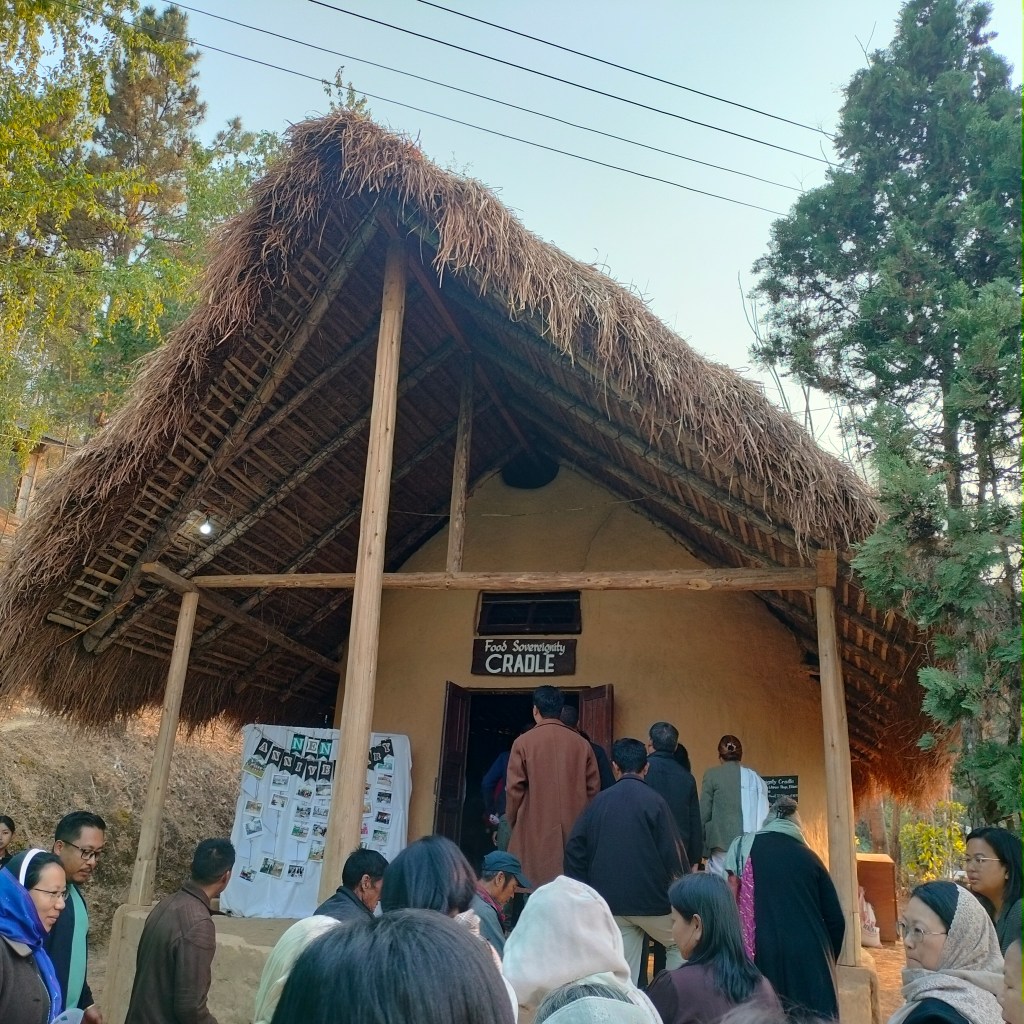
One of the prime attractions of the event was the inauguration of a community-led Seed Cradle. The seed bank is a brilliantly structured space to store and exhibit indigenous seeds.

Seed Cradle, Chizami
Seed bank

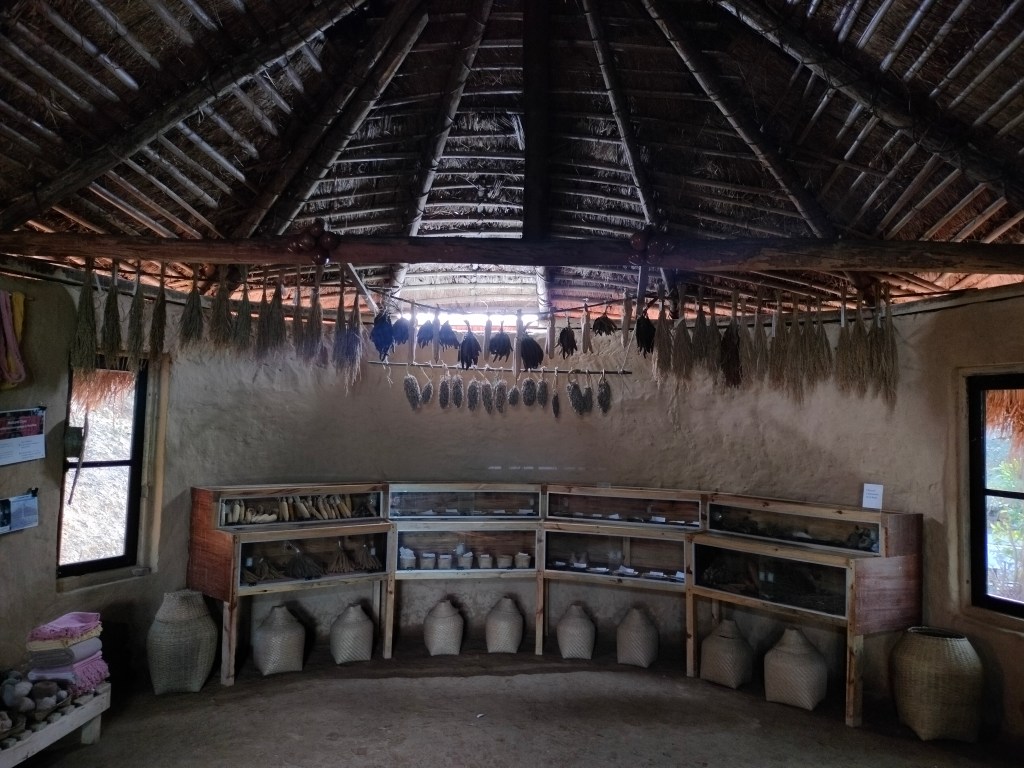
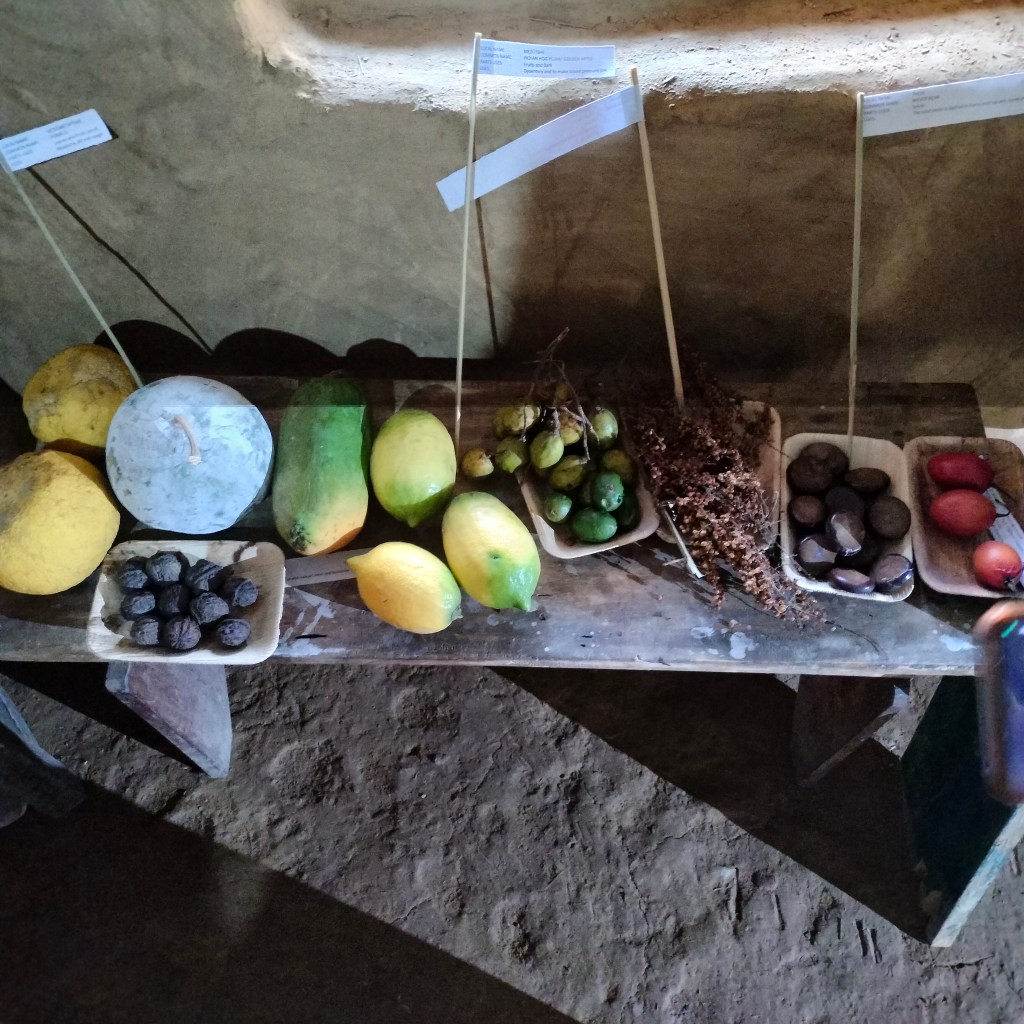
Various types of rice, millet, maize, leaves, and fruits along with yarns of thread and cotton balls were exhibited inside the Seed Cradle.

Seed Cradle Interior

The seed bank is maintained by the community and stores locally adaptable indigenous seeds. 

Fruits and Vegetables

Incredible insights about the fight against gender and environmental violence have been voiced by veteran activists associated with NEN. A symbiosis of identity and environment was emphasised in looking at gender justice within tribal communities. It also harped on the importance of reaching out and learning community-based wisdom and what the community wants and device strategies accordingly. 

On the festival

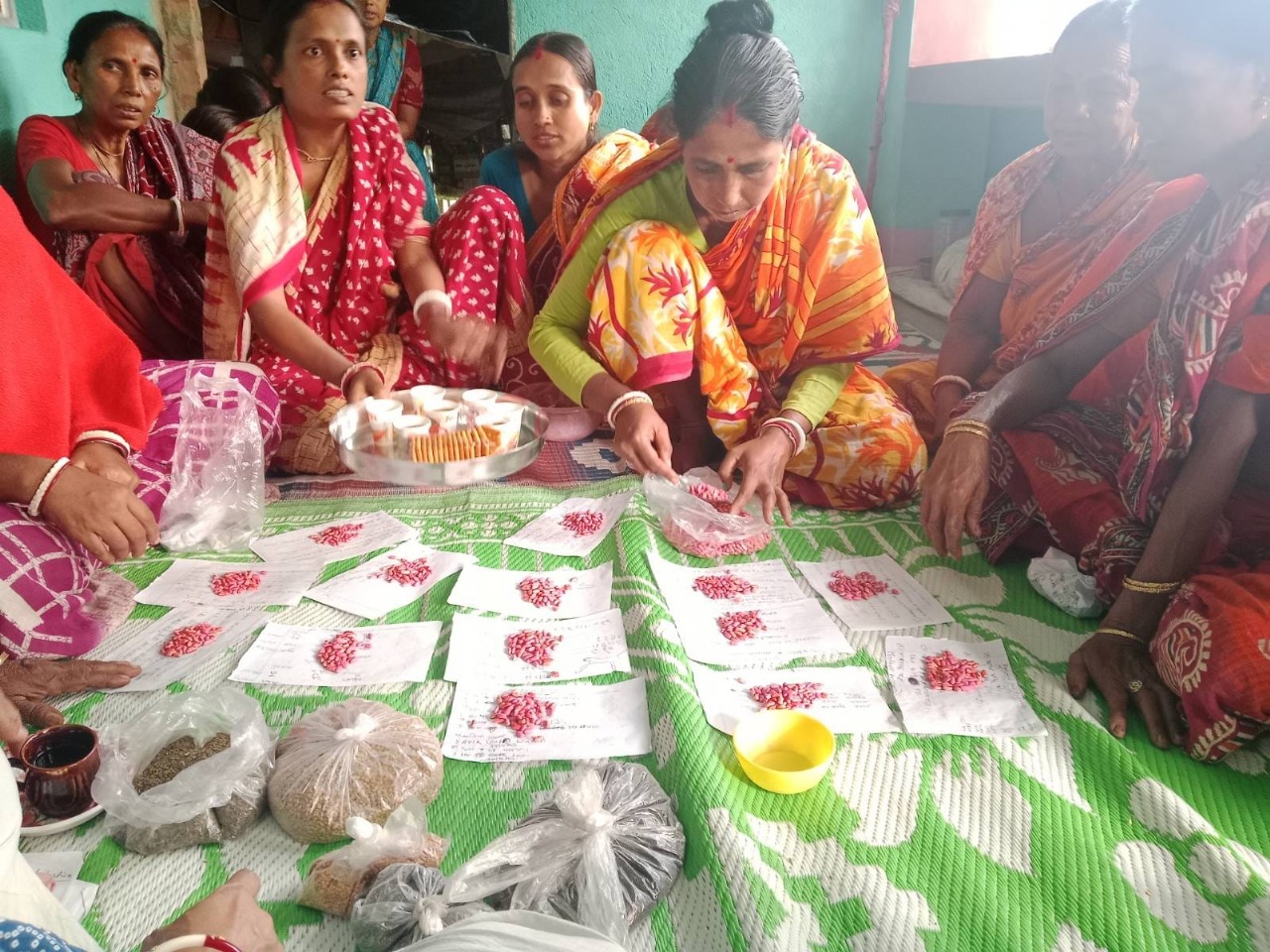
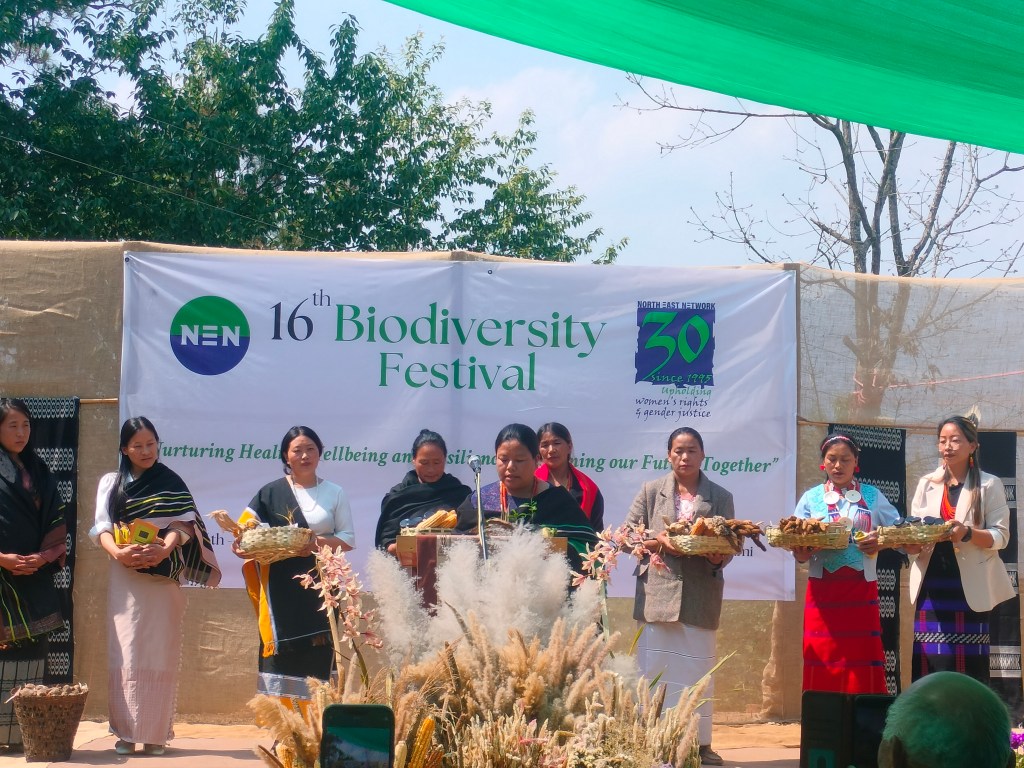
We also witnessed a seed exchange programme where representatives from six local tribal communities exchanged indigenous seeds celebrating solidarity. The ‘culture’ in agriculture was explored through ritual dance and music centred on cultivation. These performances have been traditionally carried out by women marking their immeasurable contribution in cultivating and preserving seeds. 

Seed exchange programme

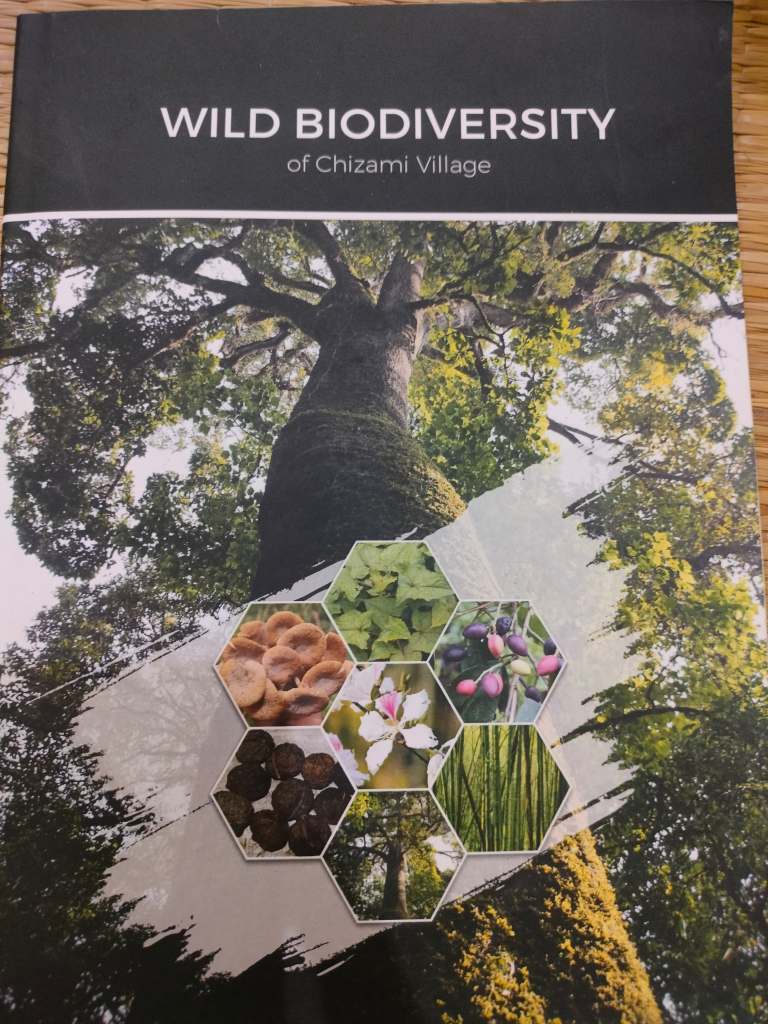
NEN also released their thorough and wide documentation of the floral wildlife of Chizami, Wild Biodiversity of Chizami Village. Tshetsholo Naro, fondly called the Butterfly Man of Nagaland, contributed in the making of the book and shared his experiences of setting up an Eco Club in Chizami in 2011 and his documentation of the butterflies of Chizami which also was published as a book in 2013. 

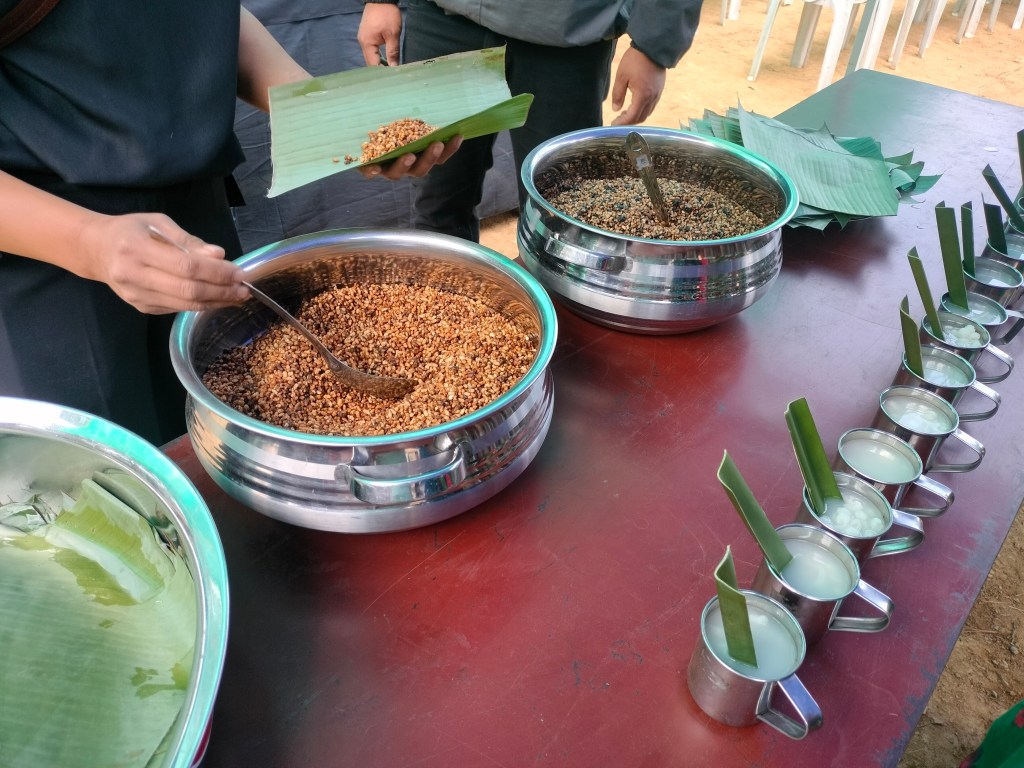
The event was a celebration of biodiversity in every facet of life and food was not excluded from the list. The guests were warmly offered a wonderful variety of food including sticky rice, many preparations of meat, vegetables and a millet dessert with milk and dry fruits. 

Millet pudding (above) and Maize tea served with roasted rice (below)

Chizami is a successful story of feminist intervention towards sustainable development. There are almost 700 weavers connected with Nenterprise (the enterprise dedicated to women’s livelihood in the village through traditional textile weaving). As a model of ecological sustainability and alternative economy, Chizami provides an orientation to many working on the field towards similar goals. The 30th year anniversary celebration sets a milestone of solidarity, resistance, and success. 

Farmers’ Voice: PART 4

Location: Bankura Seed Festival

The festival, which brought together people from various backgrounds and cultures, fostered a sense of both unity and diversity among the farmers. Beyond discussing farming and seeds, the farmers also exchanged thoughts on floods and potential measures to mitigate their impact. The event introduced new ideas not only to farmers but also to those not directly involved in agriculture. Additionally, it emphasized the importance of preserving indigenous practices and traditions. 

Monuhar Pegu, a 27-year-old farmer, shared valuable insights into farming in the flood-prone areas of Assam. Why is a young farmer like Monuhar choosing to engage in traditional farming methods? How do farmers manage the challenges posed by frequent floods? These were some of the key questions he addressed, providing a detailed perspective on the subject.

Interviewer: What is your name?

Interviewee: My name is Monuhar Pegu. I’m from Kaziranga, Assam, where our farming practices are also based. We have come to the Bankura Seed Festival to showcase our native variety of seeds and promote our traditional farming practices. Additionally, we are here to exhibit our handicrafts and silk garments that we produce. I belong to the Mising community, which is the second-largest community in Assam. We weave our own clothes as part of our tradition.

Now, the question arises, why do we continue these practices? The climate crisis we face today is largely due to monoculture farming. We aim to counter this issue in any way we can.

Interviewer: What do you mean by monocultural farming?

Monuhar Pegu: Monoculture farming refers to large-scale agricultural practices, usually involving chemical farming. For example, cultivating only paddy or only wheat over an extensive area leads to soil degradation and other environmental issues. We want to counteract these harmful effects.

Interviewer: How did you become involved in organic farming?

Monuhar Pegu: Organic farming is essentially a movement that started as a return to traditional farming practices. Initially, our ancestors followed these sustainable methods, but with the Green Revolution, chemical farming became widespread. Eventually, people realized its negative impact on health and the environment, leading to a revival of traditional farming, what we now call organic farming. However, today we are moving further towards ‘natural farming,’ which is a more refined version of organic farming that completely avoids synthetic inputs.

I was introduced to farming from a young age, as I grew up watching my family cultivate crops using traditional methods. Even though I studied Political Science, I could never forget the wisdom I inherited from my community. A fundamental question arose in my mind: If my food and land are not safe, then what am I living for? I could choose to work elsewhere and earn more money, but that would come at the cost of losing my connection to the land. By practicing traditional farming, I can sustain myself while also contributing to a larger movement. Today, with the rise of monoculture and chemical farming, the only way to counteract this is by establishing an alternative model based on traditional practices.

Interviewer: How much land do you own?

Monuhar Pegu: Individually, we have small plots, around 5 to 10 bighas each. However, collectively, we cultivate a much larger area.

Interviewer: What do you mean by ‘collectively’?

Monuhar Pegu: By ‘collectively,’ I mean community farming. In our community, we share and farm the land together. This system is known as ‘Haria’ in our language. If someone is unable to cultivate their land, they entrust it to someone else within the community for farming. This is done based on verbal agreements rather than written contracts. In our region, paddy is the primary crop. Given the diverse landscape and frequent floods, we have developed unique farming techniques suited to our environment.

Interviewer: How do you deal with floods?

Monuhar Pegu: We have our traditional ways of coping with floods. In the Mising community, for example, our houses are built on elevated bamboo platforms called Chang Ghar. The structure is designed to allow floodwater to pass underneath, rather than obstructing it. ‘Chang’ refers to the bamboo staircase leading to the house. This practice ensures that our homes remain safe while allowing natural water flow.

We also welcome floodwaters in our croplands. Unlike artificial floods caused by excessive rainfall or mismanagement, natural floods bring nutrient-rich silt from the forests, replenishing the soil. This is an example of a climate-resilient practice that has been followed for generations.

Interviewer: Doesn’t flooding have a negative impact on farming?

Monuhar Pegu: Natural floods are beneficial because they enhance soil fertility by depositing organic matter from upstream areas. However, artificial floods, often caused by excessive damming and poor water management, are disastrous.

Interviewer: How can artificial floods be prevented?

Monuhar Pegu: The best way to prevent artificial floods is by avoiding large dams and allowing rivers to flow naturally. When we obstruct a river’s natural course, it leads to severe disruptions, including excessive flooding. As young people, we have a responsibility to address these issues and advocate for sustainable water management.

Interviewer: How old are you?

Monuhar Pegu: I am 27 years old.. 

If our generation does not take the lead in this movement, the future will become even more challenging.

Interviewer: There is a growing trend of farmers moving away from agriculture. Is migration also happening in your area?

Monuhar Pegu: Yes, migration is a widespread issue. It happens primarily because farming alone does not provide enough livelihood opportunities. Many farmers believe that their only option is to grow paddy or wheat, but they do not realize that they can diversify their income through other means, such as pisciculture (fish farming) or sericulture (silkworm rearing) like erica, muga and mulberry.

The key issue seems to be that villages lack sufficient livelihood opportunities, while cities offer a broader range of employment options. However, this is not necessarily the case. If we create and explore more economic opportunities in rural areas, migration to cities will decrease.

Interviewer: Can you share some traditional farming methods that you use?

Monuhar Pegu: Of course. As I mentioned earlier, our traditional housing techniques are designed to coexist with water rather than resist it. Similarly, in farming, we use eco-friendly materials like bamboo instead of concrete.

Another important traditional method is multilayer or integrated farming. In the past, diverse crops were grown together, but over time, this practice declined. Now, we are reviving it. Today, what is known as ‘integrated farming’ was actually a long-standing practice in our community. For example, livestock are kept alongside crops, and their manure is used as natural fertilizer. This creates a sustainable farming cycle.

Interviewer: What do you think about the future of farming? Are young people getting involved?

Monuhar Pegu: Social media has increased awareness about farming, but many young people engage only at a superficial level, such as making reels about it. However, in my area, I see a positive trend, more young people are returning to farming. The key is leadership. Our generation must take charge and lead this movement to ensure a sustainable future.

Interviewer: Thank you.

Mithu Rani Mondal, a middle-aged woman from the Ranibandh area of Bankura, initially hesitated to give us an interview. However, as our discussion progressed, she shared her perspective on farming practices from a woman’s point of view.

Interviewer: What is your name?

Mithu Rani Mandal: My name is Mithu Rani Mandal. We’re here on behalf of Dalmadal Farmers Producers Company. We operate in three blocks of Bankura: Ranibandh, Hirbandh, and Indpur. Our organization consists of 4,000 women engaged in agricultural production.

Interviewer: So, all of you are involved in chemical-free farming?

Mithu Rani Mandal: Not just organic farming, we also encourage cattle farming and pisciculture, all done using organic methods. We then sell our produce in the market.

Interviewer: Do you personally engage in farming?

Mithu Rani Mandal: Yes.

Interviewer: How much land do you own?

Mithu Rani Mandal: I own a small plot of 3 bighas. In addition to that, I lease 3-4 bighas of land as needed. However, I don’t cultivate throughout the year. We have Producer Groups (PGs) in every Gram Panchayat area, and they manage farming when we are unable to do so.

Interviewer: How much does it cost to lease land?

Mithu Rani Mandal: The cost varies. Since much of the land in our region is lowland and often left fallow for multiple seasons, the lease price fluctuates between ₹1,000 and ₹3,000 per bigha, depending on the location and soil quality.

Interviewer: You focus on organic farming. Why are so many farmers moving away from agriculture?

Mithu Rani Mandal: The main reason is chemical-based farming. Excessive use of chemical fertilizers has led to soil infertility. On one hand, yields are decreasing, and on the other, farming expenses are rising, causing an imbalance and reducing profits. Additionally, chemical farming has negatively impacted farmers’ health, making them physically weaker. This has discouraged many from continuing in agriculture.

However, in our area, we’ve managed to reverse this trend by transitioning many farmers from chemical to organic farming. Since adopting organic methods, farmers have noticed improved health, increased energy, and better overall well-being. We have also introduced new crops, such as watermelon, which was not traditionally grown in our region. This has provided farmers with an additional source of income.

Interviewer: What type of land do you have, lowland or elevated land?

Mithu Rani Mandal: In Bankura district, we have both elevated and lowland areas. The soil here is primarily malbhumi (lateritic soil). There are also ponds and government-constructed canals. Our PGs decide where water resources are needed most.

Interviewer: So, is water scarcity a major issue in your region?

Mithu Rani Mandal: Yes, water scarcity is a significant challenge. In elevated areas, farming depends entirely on monsoon rains, as there are no alternative water sources. To address this, we have created hapas around these regions.

Interviewer: What do you mean by hapa?

Mithu Rani Mandal: A hapa is a small pond.

Interviewer: Do you use shallow pumps or other water sources?

Mithu Rani Mandal: No, we rely primarily on these small ponds and other natural water bodies.

Interviewer: There have been noticeable changes in nature over the years.

Mithu Rani Mandal (interrupts): Absolutely!

Interviewer: Have these environmental changes affected farming?

Mithu Rani Mandal: Yes. Last year, we observed that the leaves of Shegun (teak) trees were turning yellow, something that didn’t happen before. Even neem trees were drying up and shedding leaves. Additionally, kalboishakhi (seasonal thunderstorms) have become less frequent, impacting crop growth.

Interviewer: What do you think the government should do to bring farmers back to agriculture?

Mithu Rani Mandal: The government is already taking effective steps. However, further promotion of organic farming would be beneficial.

Interviewer: Is the younger generation showing interest in farming?

Mithu Rani Mandal: Yes, they are. Thanks to their involvement, we’ve been able to establish Producer Groups and the Farmers Producers Company.

Interviewer: Have you observed a shift away from farming in your village?

Mithu Rani Mandal: During the lockdown, many people left farming. However, those who had migrated for work faced severe hardships and eventually returned to farming.

Interviewer: What steps are you taking to encourage farmers to continue farming?

Mithu Rani Mandal: We are working on improving land utilization. One-time croplands have been converted into two-time croplands, and two-time croplands into three-time croplands. This allows farming to continue throughout the year, making it a more viable livelihood.

Interviewer: Thank you.

Farmers’ Voice : PART 3

Location: Bankura Seed Festival 2025

The fresh aroma of cultivated crops, seeds, and raw straw filled the air at the seed festival in Bankura. Farmers from across India, including Odisha, Jharkhand, Chhattisgarh, Bihar, and Assam, gathered to showcase their indigenous seed varieties. Alongside seeds, various communities presented their unique local food traditions. The festival also featured insightful sessions by the hosts, offering valuable knowledge on organic farming. This interview series will delve even deeper into organic farming, community-based agricultural practices, and the core principles of sustainable agriculture.

At the seed festival, seated at the far end of the table, was Sanjay Mandal, a 36-year-old farmer from Katihar district, Bihar. With an array of organically grown vegetables and indigenous seed varieties before him, he stood as a firm advocate of both organic and collective farming. A member of the Sahadeo community in Bihar, Sanjay owns a small piece of cultivable land but primarily practices collective farming on land owned by their organization. In this interview, he provides deep insights into their community farming practices and the philosophy behind them.

Interviewer: Where are you from?

Sanjay Mandal: I’m from Katihar district in Bihar. I belong to the Sahadeo community and am associated with an organization there.

Interviewer: What kind of work does your organization do?

Sanjay Mandal: We provide education to children from our community while also practicing organic farming. We noticed that many educated young people are moving away from farming, and at the same time, indigenous seed varieties are being lost, rapidly replaced by hybrid seeds. To address this, we are on a mission to preserve indigenous seed varieties, which is one of the main reasons we focus on organic farming.

Interviewer: Are your efforts having an impact on the people in your surroundings?

Sanjay Mandal: Yes, we distribute seeds to people in the surrounding areas to encourage them to participate in organic farming. Our goal is simple: we want more people to engage in organic farming and contribute to preserving indigenous seed varieties.

Interviewer: In West Bengal, many farmers are moving away from farming and migrating elsewhere. Is this happening in your village as well? What do you think is the reason behind this migration?

Sanjay Mandal: Yes, the same trend is happening in our village. However, it’s not just the people but also the government that is responsible. Both the state and central governments are encouraging the corporatization of farming rather than supporting organic farming. They are not prioritizing land conservation. The excessive use of plastic is another major issue harming our land, and without efforts to reduce plastic usage, we cannot save our environment or our farmlands.

Interviewer: Why are you focused on preserving indigenous seeds? What is their importance?

Sanjay Mandal: Indigenous seeds have high nutritional value. In contrast, hybrid seeds may yield a higher production rate, but they lack the same nutritional benefits. Hybrid farming also relies heavily on chemical fertilizers and pesticides, increasing health risks. That’s why, along with providing education, we believe it’s important to teach children about farming. This is the core idea behind our initiative.

Interviewer: What is the name of your organization?

Sanjay Mandal: Our organization is called Sahadeo Trust. Our office is located in the middle of a forest, where we practice organic farming and provide education to children. We also organize seed festivals.

Interviewer: How many seeds have you collected and preserved so far?

Sanjay Mandal: We have preserved many seeds, though we haven’t officially documented them. Our primary focus is on preserving vegetable seeds from perennial plants, such as jackfruit. A jackfruit tree can provide food for several days and be used in a variety of recipes. We also cultivate bananas and papayas—crops that can provide food year-round instead of being limited to a particular season. We encourage people to adopt similar farming practices.

Interviewer: How much land do you have?

Sanjay Mandal: We collectively farm on approximately seven acres of land.

Interviewer: Do you personally own seven acres?

Sanjay Mandal: No, we practice collective farming within the Sahadeo community. Community members have provided us with land and asked us to educate their children. So, we teach the children and farm collectively on that land.

Interviewer: Do you have any inherited land from your family?

Sanjay Mandal: Yes, our family owns around 1.5 to 2 acres of land, where we cultivate wheat and paddy.

Interviewer: Do you practice organic farming on your family land, or do you use chemical farming methods?

Sanjay Mandal: We use chemical farming methods on our family land.

Interviewer: Why is that? What challenges prevent organic farming?

Sanjay Mandal: The main issue is that people are not interested in organic farming. They are trapped in a cycle—seeing others use chemical fertilizers, they continue doing the same. However, we are trying to intervene and introduce organic farming in those areas.

Interviewer: Many people are leaving farming. Can you explain why?

Sanjay Mandal: This is happening because people lack awareness. Even educated individuals fail to understand the importance of organic farming, so it’s even harder for the less educated population to grasp its significance. Since less-educated people tend to follow the decisions of the educated, breaking this cycle is challenging.

We are trying to raise awareness about organic farming, indigenous seeds, and their nutritional value. Unless we successfully educate people, it will be difficult to encourage a shift toward chemical-free farming.

Another issue is water management. Since we rely primarily on rainwater, we need to adopt sustainable cultivation methods, such as leaving plant residues on the fields to retain moisture. However, many farmers are unaware of such techniques and simply follow conventional chemical farming methods.

Additionally, due to poor nutrition from chemically-grown food, people are becoming physically weaker and less capable of enduring the hard labor required for farming. This is another reason many are leaving agriculture.

Interviewer: What do people do when they leave farming?

Sanjay Mandal: They seek jobs elsewhere, often aspiring to become doctors or engineers. But if everyone becomes a doctor, who will farm and produce food?

Interviewer: Where are these migrating farmers going?

Sanjay Mandal: They are moving to states like Rajasthan, West Bengal, Odisha, and Tamil Nadu—wherever they can find work in factories. Many now prefer direct cash income over the uncertainties of farming.

Government policies also play a role in this migration. For instance, the government has not implemented the recommendations of the Swaminathan Report, which was crucial for farmers during the Green Revolution. Those who want to farm often lack land, and if they lease land, they improve its fertility through hard work, only for the landowners to take it back and lease it to someone else at a higher rate.

Similarly, government schemes like the Kisan Samman Nidhi benefit only landowners, not the actual farmers working on the land. If a farmer plants potatoes and a natural disaster destroys the crop, the compensation goes to the landowner, not the farmer. Such unfair policies discourage people from continuing in agriculture.

Interviewer: Does everyone in your community own land?

Sanjay Mandal: No, some people have very small plots, ranging from just one katha to 1.5 katha (about 5–6 decimal). Some don’t even have enough land to live on, so they occupy government land to build shelter.

Interviewer: What do you think about the future of farming?

Sanjay Mandal: For farming to have a future, farmers must have adequate land to cultivate. We also need widespread awareness about organic farming practices and the importance of preserving indigenous seeds.

Interviewer: Are young people in your community showing interest in farming?

Sanjay Mandal: Those with land continue farming, but those without sufficient land are migrating to other states in search of better opportunities. Farming is not profitable for them, which forces them to leave.

Interviewer: Okay.. Thank you so much.

Dipali Sabar, a young woman from the ‘Pashchimbanga Kheria Sabar Kalyan Samiti’ in Purulia, is actively involved in organic farming. Traditionally, the Sabar community has stayed away from agriculture, as they were primarily forest dwellers. However, through the efforts of the Pashchimbanga Kheria Sabar Kalyan Samiti, they are gradually adopting farming. Reports indicate that the community owns very little land since agriculture was never their primary occupation. Nevertheless, the younger generation is striving to create a balance between farming and their traditional forest-based lifestyle. Dipali Sabar, one such young member, shared her experiences with us.

Interviewer: What is your name?

Interviewee: Dipali Sabar.

Interviewer: Are you associated with farming?

Dipali Sabar: Yes, I am, but not for a long time. We have only recently started farming and are still learning different agricultural practices.

Interviewer: How much land do you own?

Dipali Sabar: We have one bigha of land.

Interviewer: Is your entire family involved in farming?

Dipali Sabar: Yes, everyone in our family is involved in farming.

Interviewer: What crops are cultivated in your area?

Dipali Sabar: We grow potatoes, paddy, and onions.

Interviewer: Do you practice organic farming?

Dipali Sabar: Yes, we use organic methods for some crops, but for others, we rely on chemical farming.

Interviewer: How did you sustain yourself before you started farming?

Dipali Sabar: Before we took up farming, we used to go into the forest to collect fruits and vegetables. We consumed some of them and sold the rest in the market. We also collected and sold firewood.

Interviewer: Do you still do that now?

Dipali Sabar: Yes, we still do, but it is no longer our primary source of income.

Interviewer: What is your source of water for farming?

Dipali Sabar: We depend on nearby ponds, canals, and dams for water.

Interviewer: So, there is no water crisis?

Dipali Sabar: No, we do face a water crisis. That’s why we are unable to cultivate anything at this time.

Interviewer: Have you informed the local authorities about this issue?

Dipali Sabar: Yes, we have, but no proper action has been taken yet.

Interviewer: Do you also face issues with drinking water?

Dipali Sabar: Earlier, we had problems with drinking water, but after informing the local panchayat, they took some measures, and the situation has improved.

Interviewer: Do people in your community show interest in farming?

Dipali Sabar: In the past 2–3 years, people have started taking an interest in farming. The efforts of the Pashchimbanga Kheria Sabar Kalyan Samity have encouraged our community members by providing seeds. This support has motivated people to take up farming.

Interviewer: Do all members of your community own land?

Dipali Sabar: No, not everyone owns land. Some have land for cultivation, while others only have a place to live.

Interviewer: What do those who don’t have land do for a living?

Dipali Sabar: They migrate to other states.

Interviewer: Where do they go?

Dipali Sabar: They travel to Barddhaman, Maharashtra, and Gujarat.

Interviewer: What kind of work do they do there?

Dipali Sabar: Most of them work in construction.

Interviewer: During this period, do you try to grow any other crops?

Dipali Sabar: No, due to the water crisis, we cannot cultivate anything at this time. During this season, many people migrate to other places for work.

Interviewer: When does cultivation start again?

Dipali Sabar: Cultivation resumes in May or June.

Interviewer: As a young member of your community, do you see other young people showing interest in farming?

Dipali Sabar: Yes, young people are gradually getting involved in farming. Since we are receiving seeds, they are showing more interest. We are also earning a little, which is helping us sustain ourselves.

Interviewer: Do you receive any government assistance for farming?

Dipali Sabar: No, we don’t receive any benefits like ‘Krishak Bondhu’ because there are no official land records for the Sabar community.

Interviewer: Do you plan to continue farming in the future?

Dipali Sabar: Yes, of course!

Design a site like this with WordPress.com
Get started