Pijush Dutta
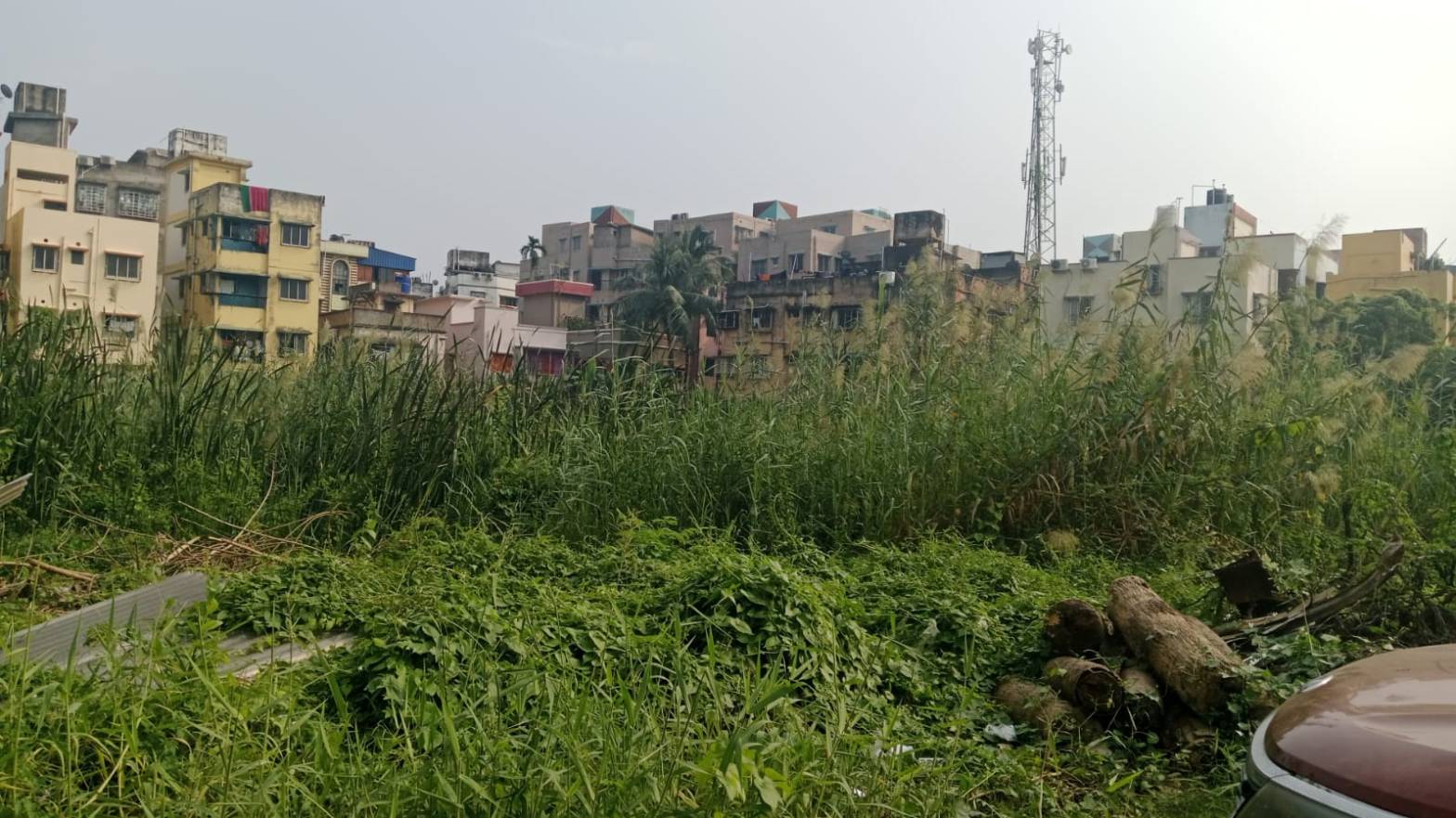
On November 15, 2024, a shocking incident occurred in the Kasba area when a gang of three attacked the local councillor of Ward No. 108. This act of violence sparked widespread outrage, highlighting the simmering tensions in the locality and raising critical questions about the region’s governance and safety. A Survey of Alarming Decline To understand the underlying issues, we conducted two surveys, spaced two years apart, focusing on the ponds of Ward No. 67, with additional insights from Wards 91 and 108. These neighborhoods are interlinked, and conflicts in one often spill into the others, painting a broader picture of the struggles in the area. In 2022, our first survey documented 41 ponds in Ward No. 67. By 2024, we could survey only 32 ponds in the same ward and an additional two ponds in Ward 91. The findings were disheartening. Many ponds showed significant deterioration, with some on the brink of extinction. Among the 34 ponds surveyed this year, nine are in a critical state, plagued by garbage dumping and encroachment. Construction debris surrounding these ponds suggest deliberate efforts to fill them up, possibly for illegal construction. Locals believe the area, Kasba, Tiljala, and Picnic Garden has become a hub for syndicate operations, where rival factions fight for control, fueling violent conflicts. Voices of Concern and Silence When we approached residents for insights, responses were mixed. At Duttapukur 2, locals hesitated to speak openly but hinted at the involvement of local promoters and authorities in plans to fill the pond. Meanwhile, at Ghosh Brothers’ Pond, an 82-year-old retired bioscientist shared his distress: “These ponds are a part of our childhood memories. Now, builders, backed by political power, are negotiating with the owners to fill them up. We’re heading towards a future of endless concrete, no ponds. What will happen if a fire breaks out? Where will people turn for water?” Some locals from ward 67 reported a recent protest near the Kasba Police Station, opposing illegal construction in the area. At another location, Dhankoler Pukur near G.S. Bose Road, we relied on satellite maps to locate the pond. Hidden behind a temple, its entrance was locked with wild bushes. What was once a sizable pond has now shrunk, surrounded by towering buildings. Locals lamented its decline but seemed resigned to the reality. Syndicates and Vanishing Ponds The influence of real estate syndicates became glaringly evident during our visit to ‘Iland Pond’. This living complex, developed by a prominent real estate company, left only a fraction of the original pond intact, presenting a picturesque illusion for its residents. Despite the clear water, most of the pond had been filled to make way for construction, a common practice in the area. ‘Iland Pond’ In Tiljala’s Ramtekri, six ponds were reportedly owned by a single family with strong political ties. Internal family disputes have led to some ponds being sold to developers. We found one such pond concealed behind brick walls, now entirely filled and transformed into a field with no sign of water in it. Locals expressed fear when asked about the ownership and maintenance of ponds. One resident near a slum, ‘Bhodar Para’, remarked, “The ruling party owns this pond now. Earlier, a man named Bhoda used to own it.” Another lady from the same ward pointed to a pond covered with blue asbestos sheets. She said, “some people covered the pond overnight.” We could sense her fingers were pointed at the local builders. ‘Pond covered with asbestos’ A Troubling Legacy The situation is not new. A Times of India report from May 21, 2018, documented a successful local protest against builders attempting to fill a pond in Kasba. In contrast, an April 25, 2024 article in The Telegraph described how residents resisted Kolkata Municipal Corporation’s (KMC) demolition of an illegal building, highlighting the community’s complex relationship with land and water resources. A Few Bright Spots Amid this bleak scenario, a few ponds stand out for their maintenance. The Kasba Bank pond, managed by the fishing community, and the KMC-owned Ratan Sarkar Smriti Sarobar are examples of how community or government involvement can preserve water bodies. Our comparison of the 2022 and 2024 surveys reveals a stark deterioration in the condition of ponds in Kasba, Bosepukur, Picnic Garden, and Tiljala. The pressure from syndicates and gang conflicts has accelerated their decline, creating an environment of fear and silence among locals. Once celebrated for its abundant water bodies, this region now faces an uncertain future. If this trend continues, the ponds—lifelines of the community—may become relics of the past, buried under layers of concrete and conflict.
 Jaladarsha