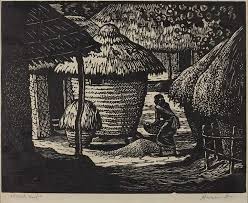
By Pijush Dutta, field assistance Romesh Mondal
Location: Village Gobindokathi, Hingalganj block, North 24 Parganas
The following piece is a set of farmer voices from Sunderbans, where we try explore the kind of choices farmers are making, specifically to strengthen our perspectives on chemical free farming.
Kakali Munda, a resident of South Gobindakathi village, belongs to the Scheduled Tribe (ST) community. Her family owns only two bighas of cultivable land, which is insufficient to sustain them. As a result, they are compelled to seek work outside the state. Kakali Munda shares her thoughts and insights on the condition of the ST community in her village.
Interviewer: What is the name of your village?
Kakali Munda: Dakshin Gobindokathi (South Gobindokathi).
Interviewer: How much cultivable land do you have?
Kakali Munda: We have a total of two bighas for paddy farming.
Interviewer: Is your whole family involved in farming?
Kakali Munda: Yes, we are all involved in farming.
Interviewer: Many people in villages have cultivable land, yet they migrate outside the state. Can you tell me, is it possible to sustain a livelihood solely through farming, or do people need to do other work as well? What is your opinion?
Kakali Munda: No, not for us. We are small farmers and cannot sustain ourselves through farming alone. However, large farmers with many bighas of land can manage to do so. Small farmers like us have to migrate outside the state to earn a living.
Interviewer: Where do you go?
Kakali Munda: Mostly to Tamil Nadu, or wherever there is work available for us.
Interviewer: What kind of work do you do there?
Kakali Munda: There are various types of work, such as weaving nets, making mosquito nets, and preparing boxes for sweet shops. Some people also work in garment factories.
Interviewer: Does anyone from your family migrate to other states?
Kakali Munda: We are just two people in our household, so we alternate when one of us needs to go.
Interviewer: Where do they usually go?
Kakali Munda: They mostly go to Andhra Pradesh, particularly for agricultural work. Many men from the village go to Andhra Pradesh for this purpose. Women also migrate, but it’s mostly the men. Families who migrate together often go to Bangalore or Tamil Nadu.
Interviewer: Do you think the next generation is interested in participating in agricultural work?
Kakali Munda: I can’t say for sure about the next generation. We are interested in farming, but the younger generation is more focused on education and schooling. They seem less eager to work in the fields and are distancing themselves from agricultural work.
Interviewer: This is a Scheduled Tribe (ST) area, and the neighboring village is a Scheduled Caste (SC) area. Can you compare the economic conditions of the STs and SCs?
Kakali Munda: The economic condition of the SCs is much better than that of the STs. If you compare, we STs are in a much worse economic state.
Interviewer: There is chemical farming on one hand and chemical-free, organic farming on the other. Which one do you think is better?
Kakali Munda: I prefer chemical-free farming. While chemical fertilizers increase production, they destroy the nutritional value of the crops. In chemical-free farming, we prepare the fertilizers at home, which helps preserve the crops’ nutritional value. Although chemical fertilizers protect crops from pests, they compromise their core nutritional content. So, for me, chemical-free farming is better.
Interviewer: Then why don’t most people adopt chemical-free farming?
Kakali Munda: The main reason is a lack of education. I’ve noticed that only the educated farmers are adopting chemical-free farming. Education, in my opinion, is the key barrier.
Interviewer: What would you say about the role of NGOs? Are they helping you in any way?
Kakali Munda: I don’t know of any NGOs working in this area, so I can’t comment on their involvement.
Sanchita Munda belongs to the Scheduled Tribe (ST) community. Her family does not own any cultivable land. Both she and her husband work outside the state to earn a livelihood.
Interviewer: Where do you live?
Sanchita Munda: Dakshin Gobindokathi (South Gobindokathi).
Interviewer: How much land do you own?
Sanchita Munda: Not much, about a bigha, including the land where our house is built.
Interviewer: How much of that land is cultivable?
Sanchita Munda: We don’t have much cultivable land. We only grow vegetables within the premises of our home. That’s the extent of our cultivable land.
Interviewer: Do you lease land for farming?
Sanchita Munda: Yes, we used to lease about two bighas of land earlier. But due to illness, we couldn’t lease any land this year.
Interviewer: Can a family sustain itself solely on agriculture, or is it necessary to do other work? What’s your opinion?
Sanchita Munda: It’s difficult to sustain on agriculture alone. You need to take up other work as well.
Interviewer: Is your family involved in other kinds of work?
Sanchita Munda: Yes, apart from farming, I make wood apple candies for the organization.
Interviewer: Does anyone in your family migrate to other states for work?
Sanchita Munda: Yes, we sometimes migrate to Tamil Nadu for work. We usually stay there for 2-3 months or sometimes up to 6 months.
Interviewer: Have you also gone for work?
Sanchita Munda: Yes, I went last year. I haven’t gone yet this year, but we are planning to leave in January, February, or March.
Interviewer: What kind of work do you do there?
Sanchita Munda: We do various types of work. The first time I went, I worked in a garment factory for a year. The second time, I worked in a brick factory for a year.
Interviewer: Do you think the next generation in your family is interested in agriculture? Are they involved in farming?
Sanchita Munda: Yes, they are involved in farming. However, they also go outside for work. They earn through both farming and other jobs. The money they earn outside is often reinvested in farming.
Interviewer: How would you compare the economic condition of STs with that of SCs?
Sanchita Munda: The economic condition of SCs is better than ours. We STs are economically more backward.
Interviewer: How many ST families are there in your village?
Sanchita Munda: All of us here are STs. The entire village is composed of STs.
Interviewer: How many houses are there in the village?
Sanchita Munda: Around 150 houses.
Interviewer: What are your thoughts on the future of farming?
Sanchita Munda: We are heavily dependent on farming and want to continue improving through it.
Interviewer: Which do you think is more suitable, chemical farming or organic farming?
Sanchita Munda: I believe organic farming is better. Chemical farming uses fertilizers that can harm people’s health over time.
Interviewer: This year’s monsoon was heavy. Which crops performed better in the waterlogged conditions, hybrid crops or organic crops?
Sanchita Munda: Organic crops performed better, without a doubt.
Interviewer: What role do NGOs play in your area? Are they present, are they helping you in any way?
Sanchita Munda: I’m not aware of any NGOs working here, so I can’t comment on their role or performance.
Location: Paschim Sridharkati, Hingalganj block, North 24 Parganas
Subhendu Koyal, a member of the Scheduled Caste (SC) community, provides insights into the lives of SCs in the region. He works as a civic volunteer, locally referred to as a “village police.” As the owner of 4-5 bighas of land, he shared the names of various indigenous crops and offered his perspective on the future of farming.
Interviewer: Where do you live?
Subhendu Koyal: Paschim Shridharkati.
Interviewer: How much land have you cultivated this year?
Subhendu Koyal: Around 16-17 bighas.
Interviewer: How much of that land have you leased from other big farmers?
Subhendu Koyal: About 12 bighas.
Interviewer: What is the cost per bigha?
Subhendu Koyal: Rs. 3000 per bigha.
Interviewer: Do you cultivate on elevated land or lowland?
Subhendu Koyal: It is a mix of both elevated land and lowland.
Interviewer: What is the condition of the crops there?
Subhendu Koyal: Hybrid crops grow well on elevated lands. However, in lowland areas, it is quite challenging to cultivate hybrid crops as they cannot withstand the force of water. It is better to grow traditional varieties like ‘Boran’ crops, such as ‘Kumrogor,’ ‘Knatarani,’ and ‘Khaschuri,’ which are resistant to water pressure. These crops can help address the challenges farmers are currently facing.
Interviewer: Do you think these crops will be useful in the future?
Subhendu Koyal: Yes, people in coastal areas will increasingly rely on these crops because of their water resistance.
Interviewer: There seems to be a shift in mindset among farmers, with many moving away from farming and opting for other jobs. Can you tell us why this is happening?
Subhendu Koyal: Yes, farmers have faced a severe crisis this year due to heavy rainfall. If they focused on organic farming, they could achieve better results. Organic crops have a natural resilience to water damage, unlike hybrid crops, which are more vulnerable. Unfortunately, many farmers are not adopting these methods, which is why they suffer economic losses every year. This ultimately forces them to leave farming.
Interviewer: There are numerous government schemes aimed at supporting farmers. Do you and others in your village benefit from these schemes?
Subhendu Koyal: Yes, we do receive government facilities. (Note: These schemes include Krishok Bondhu and Krishok Sonman Nidhi)
Interviewer: Have people from your village left to work elsewhere? If so, where do they usually go?
Subhendu Koyal: In our village, most people are still involved in farming. However, those with very small landholdings often go to other regions for work. They maintain their land, though, and return to cultivate it. For instance, they sow seeds before leaving for work and resume farming upon their return.
Interviewer: Where do they usually go for work?
Subhendu Koyal: They go to places like Medinipur, Hooghly, Bardhaman, and sometimes Andhra Pradesh.
Interviewer: Is everyone in your family involved in farming?
Subhendu Koyal: Yes, everyone in my family is associated with farming.
Interviewer: I mean, during the cultivation season, does everyone in your family participate simultaneously?
Subhendu Koyal: Not exactly. It depends on availability. The men primarily handle farming tasks, while the women contribute whenever they have time, especially during seed sowing.
Interviewer: Is your family entirely dependent on agriculture, or do you have other sources of income?
Subhendu Koyal: We are primarily dependent on agriculture.
Interviewer: But you mentioned that you also work as civic police, right?
Subhendu Koyal (smiles): Yes, I work as civic police. However, aside from that, our family relies solely on agriculture.
Interviewer: So, would your family be able to sustain itself even without your job as civic police?
Subhendu Koyal: Yes.
Interviewer: As a farmer, what do you think about the future of farming? Will people continue to stay in agriculture, or will they move away from it?
Subhendu Koyal: People must stay in agriculture. Farming is essential. If people stop farming, what will they eat? You can’t eat money. People have no choice but to remain connected to farming.
Interviewer: What should the administration do to encourage people to return to farming?
Subhendu Koyal: The administration should focus on improving drainage systems. Water is the most essential element in farming, but waterlogging destroys crops. Earlier, we could manage the monsoon, but the current pattern of regular depressions is harming our crops. Hybrid crops, for instance, cannot survive underwater for more than 2-3 days without decaying. If drainage issues are addressed, farmers would be more willing to continue farming. Otherwise, they’ll have to shift to cultivating water-resistant crops like ‘Boran.’
Interviewer: So, you’re saying that resolving waterlogging issues could bring farmers back to agriculture?
Subhendu Koyal: Yes, exactly. Proper drainage would prevent waterlogging and save crops. If not, farmers will face severe crises.
Interviewer: Is the next generation in your family staying involved in farming?
Subhendu Koyal: Yes, they are. There’s no alternative for them but to continue farming.
Interviewer: Thank you!
Subhendu Koyal: Thank you.
Observations:
December marks the official beginning of winter, with cold and wintry breezes sweeping across the island. During this period, farmers from Gobindokathi/Shridharkati village on Hingalganj Island shared insights about their farming practices and preferences, offering a glimpse into the future of agriculture in the region.
Kakali Munda, a woman in her mid-40s, lives in a single-storey mud house. She belongs to the Scheduled Tribe (ST) community and wears a “tulsi mala,” a chain made of holy basil beads, typically associated with Hindu religious practices. Similar observations were made while interviewing Sanchita Munda, another woman from the same village. Despite holding Scheduled Tribe certificates, both women appeared largely unaware of their tribal identity. The presence of the “tulsi mala” and other Hindu religious symbols in their households highlighted the gradual alienation of tribals from their indigenous culture, along with the assimilation of Hindu practices into tribal lifestyles.
The discussions primarily focused on the agricultural landscape and the economic conditions of the farmers. Both Kakali and Sanchita shared that the economic condition of Scheduled Tribe farmers is worse than that of Scheduled Caste (SC) farmers. Land ownership disparities were evident; most Scheduled Tribe farmers own significantly smaller plots compared to their Scheduled Caste counterparts. According to local accounts, Shridharkati has a higher Scheduled Caste population, with comparatively fewer Muslim and Scheduled Tribe residents.
In this series of interviews, two farmers from the ST community and one from the SC community were interviewed. Subhendu Koyal, a farmer from the SC community, cultivates 16-17 bighas of land, of which 12 bighas are leased, leaving him as the owner of only 4-5 bighas. In contrast, Kakali Munda owns just two bighas of land, and Sanchita Munda mentions owning “about a bigha,” including the land where her house is built.
Subhendu Koyal supplements his income by working as a civic volunteer, a contractual job introduced in 2011. According to a ‘Hindu’ report dated August 24, 2024, the average monthly salary of a civic volunteer in West Bengal is Rs 9,300. Additionally, the report notes that the ad-hoc bonus for civic volunteers increased from Rs 5,300 to Rs 6,000 for 2023-2024.
On the other hand, most Scheduled Tribe families in the Shridharkati area rely on seasonal migration for supplementary income. Each year, at least one family member typically leaves the state to work in brick factories, garment factories, or as agricultural laborers elsewhere.
When asked about the future of farming, both Scheduled Caste and Scheduled Tribe farmers expressed optimism about organic farming, believing it holds the key to a better future. However, the question remains, why do so few farmers participate in alternative farming practices?
This observation underscores the need for further exploration into the socio-economic and cultural barriers preventing wider adoption of sustainable agricultural methods.

The Golden Jackal – Kolkata’s last remaining wild carnivore
The club lies along the eastern bank of Tolly Nullah which was the earlier path Adi Ganga, a channel of the river Hooghly. The soil of the area consisted of the silt brought down by the Adi Ganga and this rich soil combined with generous rainfall supported luxuriant vegetation. This marshy fertile area was prime…

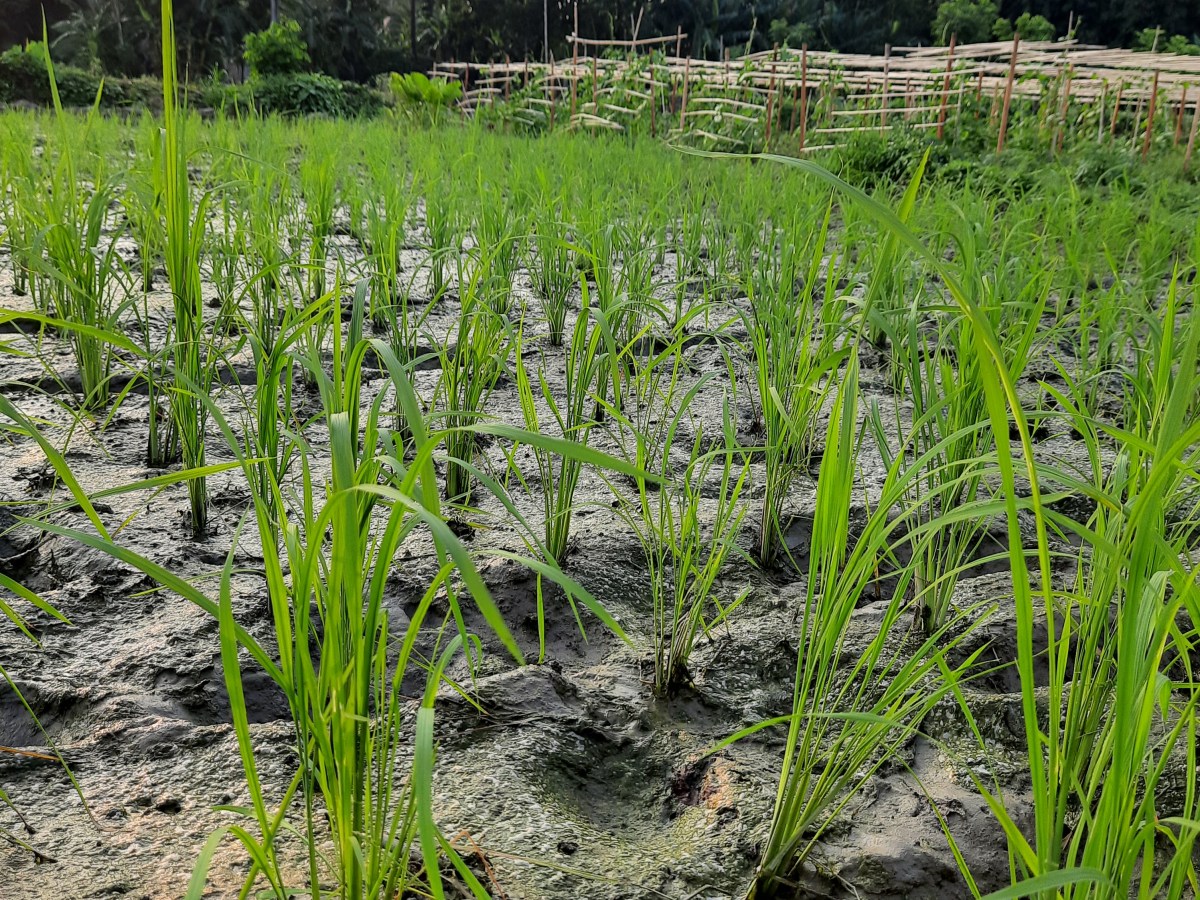
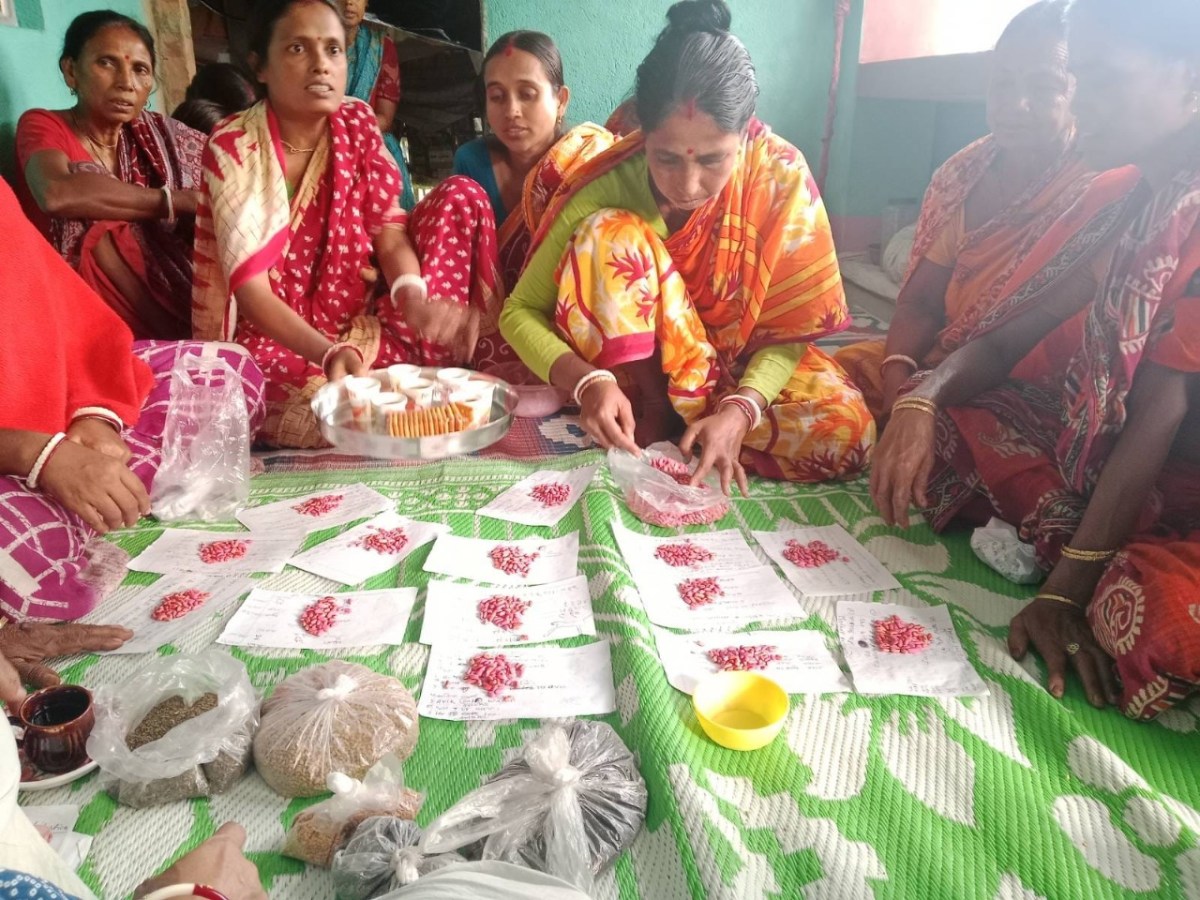
লোকায়ত বীজের পুনরুজ্জীবনই প্রাকৃতিক চাষের মূল চাবিকাঠি
সৌমিক ব্যানার্জি (তরজমা পীযূষ দত্ত) প্রকৃতির সহনশীলতার গূঢ় রহস্য হলো বৈচিত্র্য। সমুদ্রের গহ্বর থেকে সর্বোচ্চ পর্বতচূড়া পর্যন্ত, সর্বত্র ছড়িয়ে রয়েছে অগণিত প্রাণীর অপরূপ বৈভব। মানবসভ্যতার শুরু থেকেই এই বৈচিত্র্য আমাদের বেঁচে থাকতে সাহায্য করেছে। হাজার হাজার বছর ধরে মানুষ ও আরো বিভিন্ন গোষ্ঠীগুলি প্রায় ২০,০০০ প্রজাতির উদ্ভিদকে খাদ্য হিসাবে ব্যবহার করে চলেছে। আজও সারা বিশ্বে…
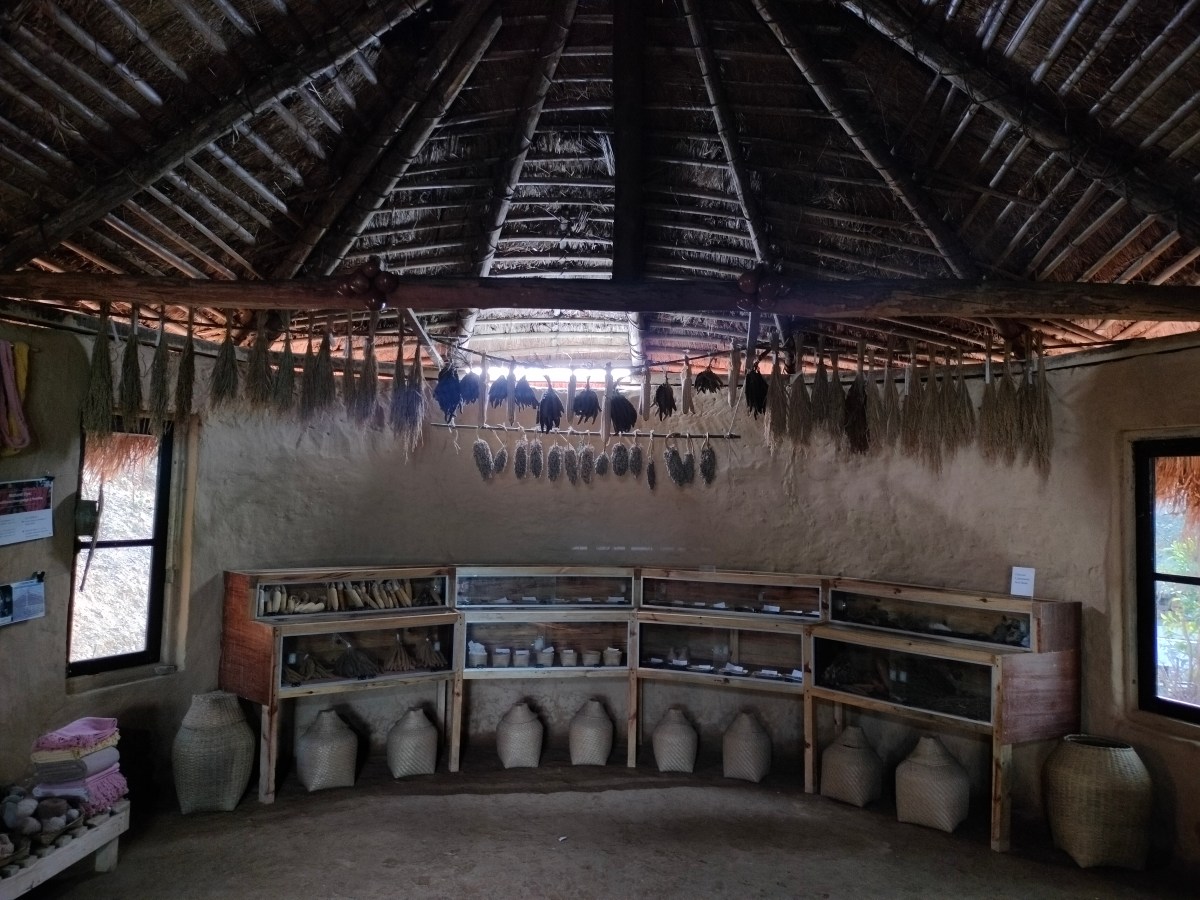
Revival of Folk Seeds is Key To Natural Farming
Folk Seeds of local Crops are the first step towards embracing agroecological approach- the link of the seed microbiome to the soil. Since the dawn of agriculture- farmers have selected, cultivated, bred, stored, exchanged, and maintained an enormous diversity of crops and varieties among them.
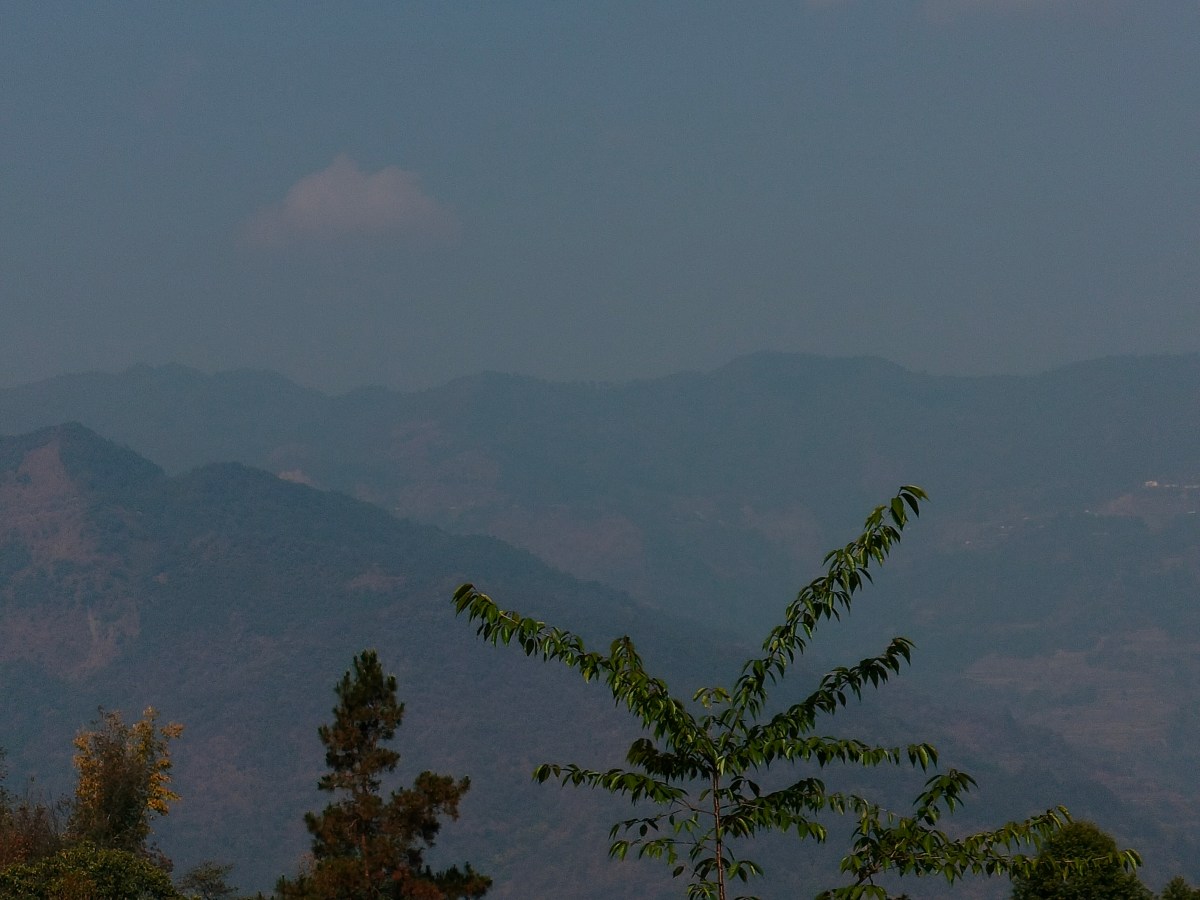
From the Sundarbans to Nagaland: Shrimati Munda’s Journey to the Biodiversity Festival
Interview conducted and translated by Pijush Dutta As our car navigated the winding, hilly roads, a rush of crisp, chilly wind carried the scent of freshly bloomed flowers to us. The journey from Dimapur to Chizami spanned five hours, with each turn in the road bringing a sense of excitement to everyone in the car.…
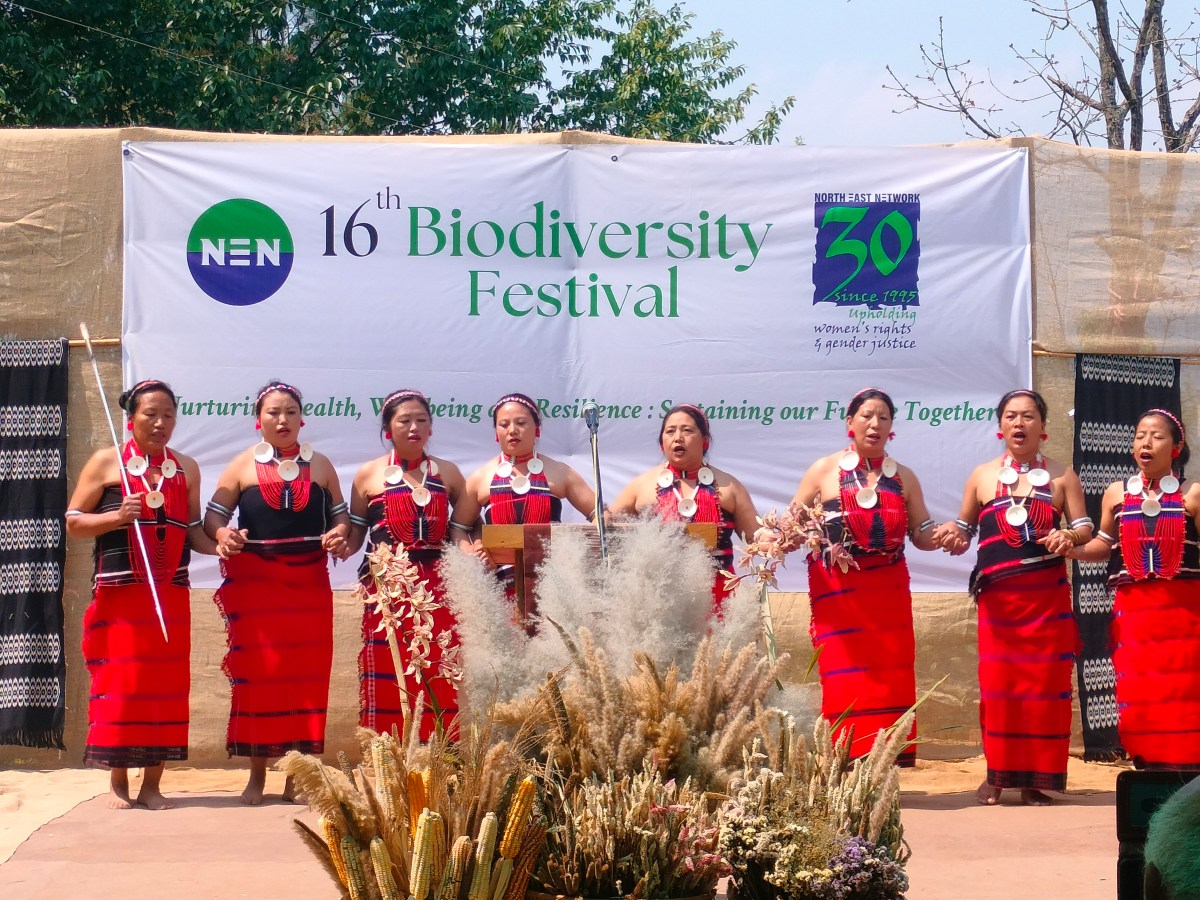
A Story of Solidarity and Success: Visit to Chizami on the 16th Biodiversity Festival by North East Network
Souvik Das It was exciting from the beginning. The moment we got to know we have been invited by the North East Network (henceforth referred as NEN) to participate in their 16th Biodiversity Festival in Chizami in Nagaland, which also marks their 30th anniversary. For time constraints we could not be present at Chizami for…
 Jaladarsha