-A Photo Essay
- Tarini Manchanda
Living in the shadow of multiple histories, fictions, political trajectories and stories, are the people who continue to live in and depend on the Sundarbans. An aerial view of the region would appear grey, gnarly, wooded and green, but a descent into the terrain allows the viewer to understand the colourful depth and complexity of life within this region. These images emerge from a recce visit, they are initial impressions of a curious visitor, this is original work by Sanchita, Souvik, Tarini and Jaladarsha.
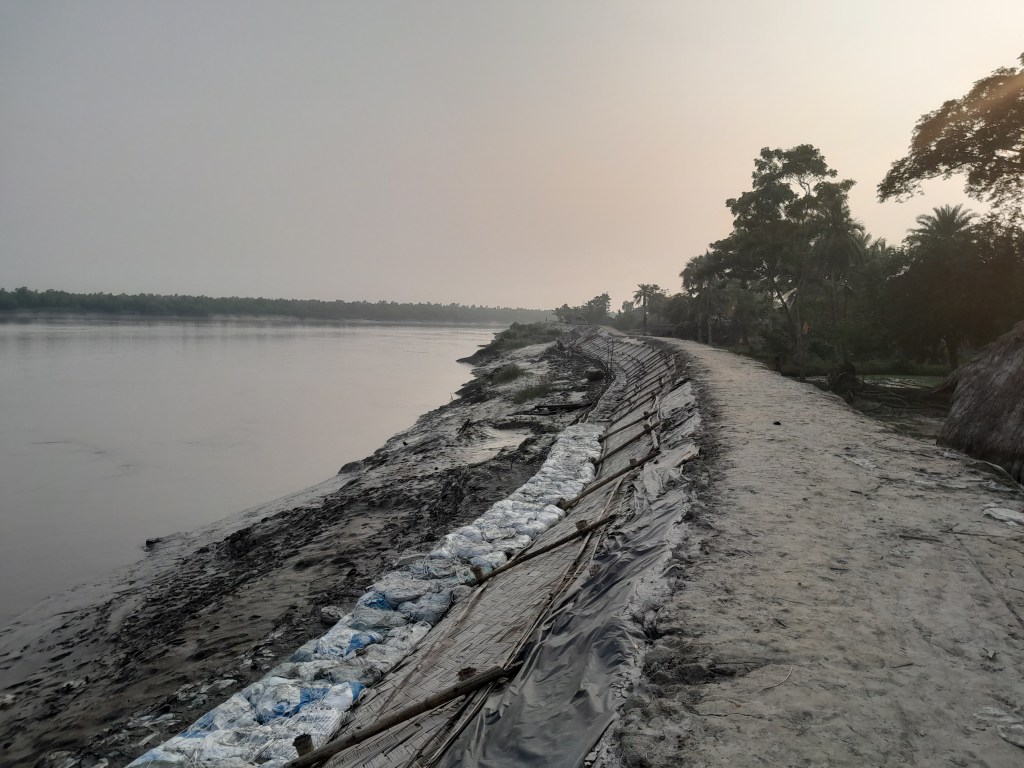
The banks of the islands on the Sundarbans are protected with cement bags, sheets, foliage, mangroves, and more. They are constantly being eroded and re-made, as locals continue to employ a range of techniques to gather these sands before they float away.
Despite their fluid nature, these edges are marked by much activity through the day, allowing residents to criss-cross and meet each other as they go about their days.
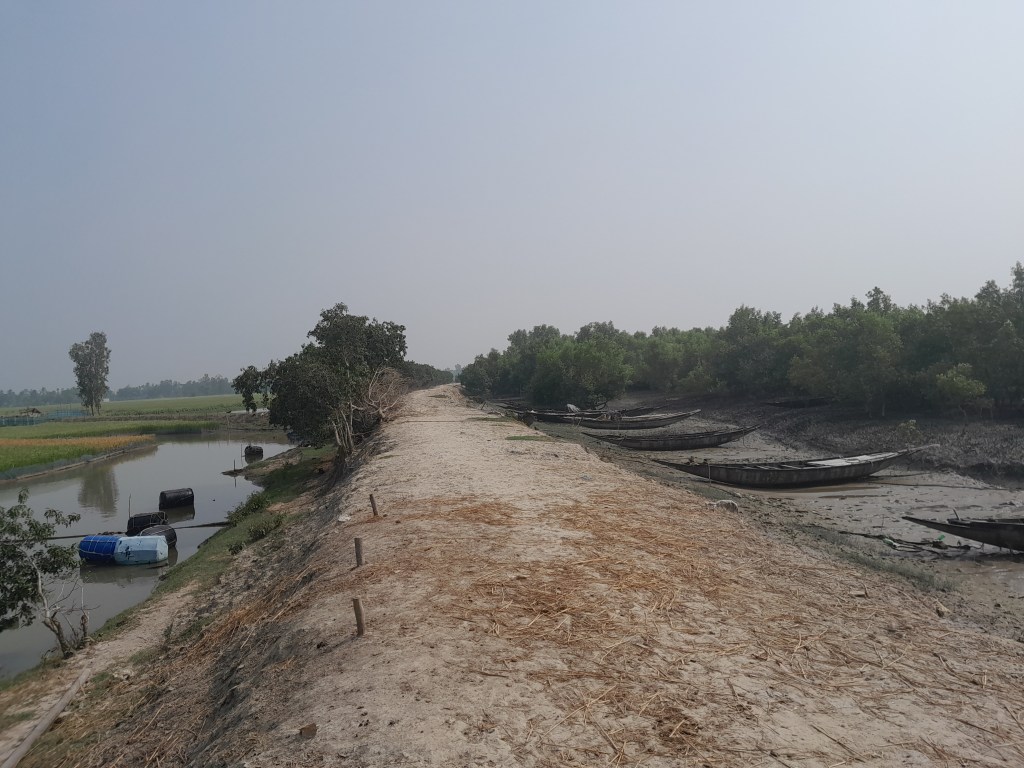
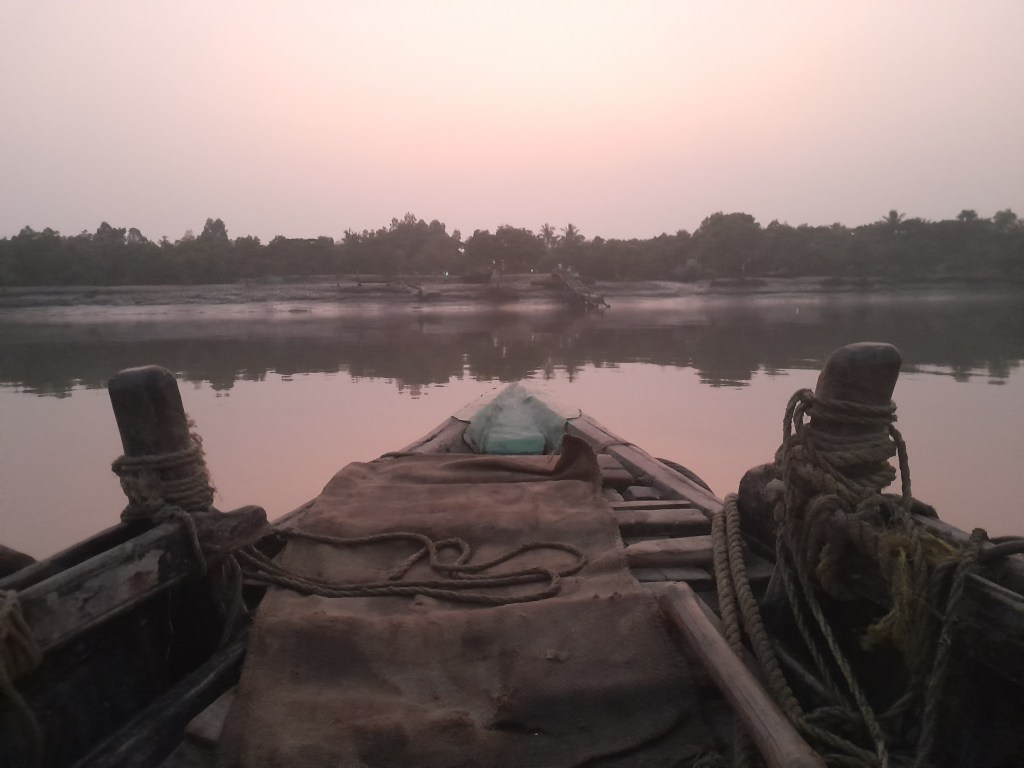
Several different types of boats ply on the river waters around the Sundarbans. This image was taken on the Amtali River, in December 2024. This is a modest local family boat, often used to cross the river between banks that are not at a great distance. This boat can accommodate between 20-25 people.
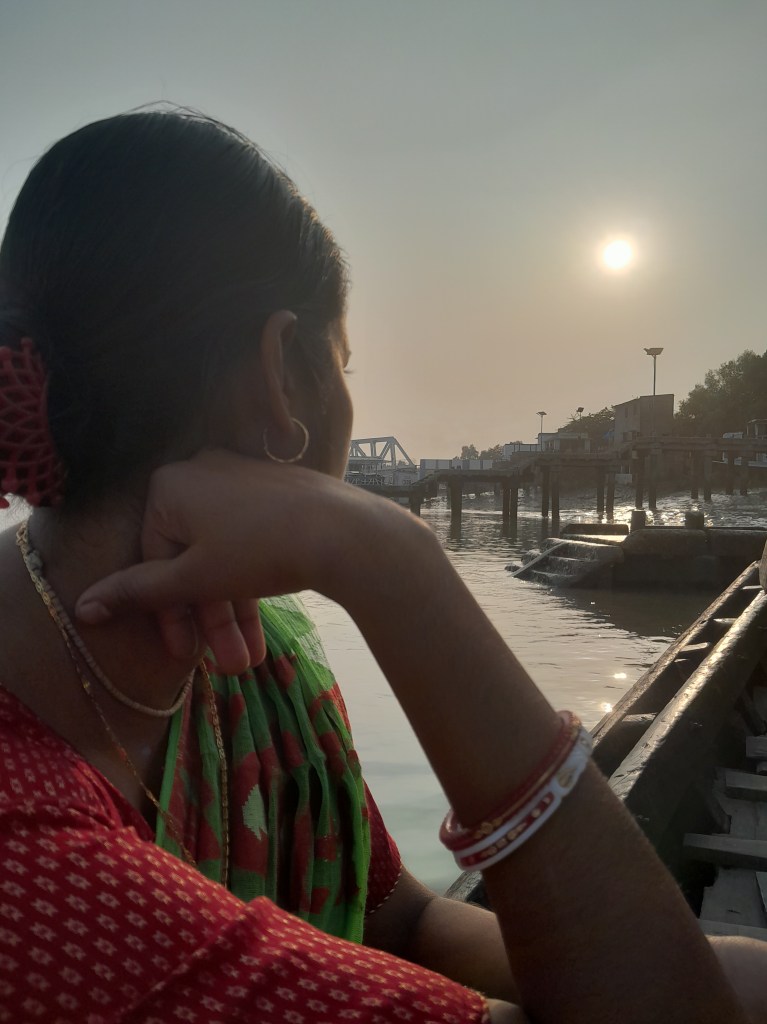
Commutes across the rivers of the Sundarbans depend on the boats for their survival. Oftentimes, markets, festivals, temples, schools and other amenities are found on neighbouring islands, as are fields and workplaces. It is this lay of the land that dictates a life in motion for the people living here. The necklace worn by this lady is made of Neem, which is considered auspicious by the people of the Sundarbans.
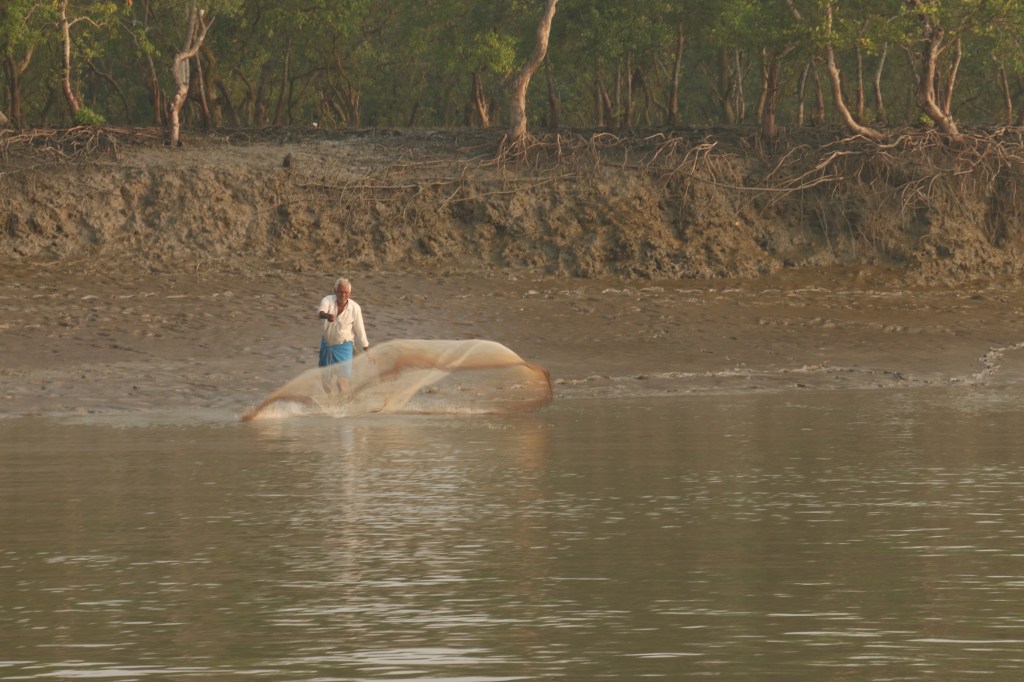
The Indian side of the Sundarbans is divided approximately in half. One is primarily forest area, and the other is inhabited. Parts of the urbanised islands are also used for fishing, depending on the vegetation. Various techniques and nets are employed while fishing.
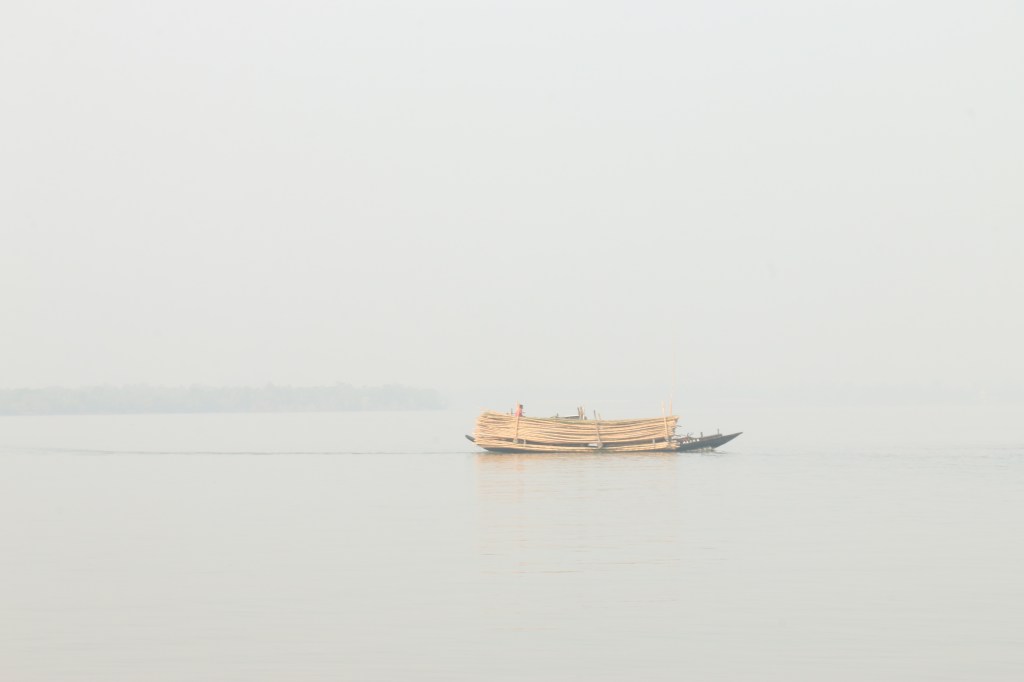
A range of cargo boats and ships cross the river waters along the Sundarbans. This boat carried only bamboo, and disappeared into the thicket of the mangroves at the edge of the island.
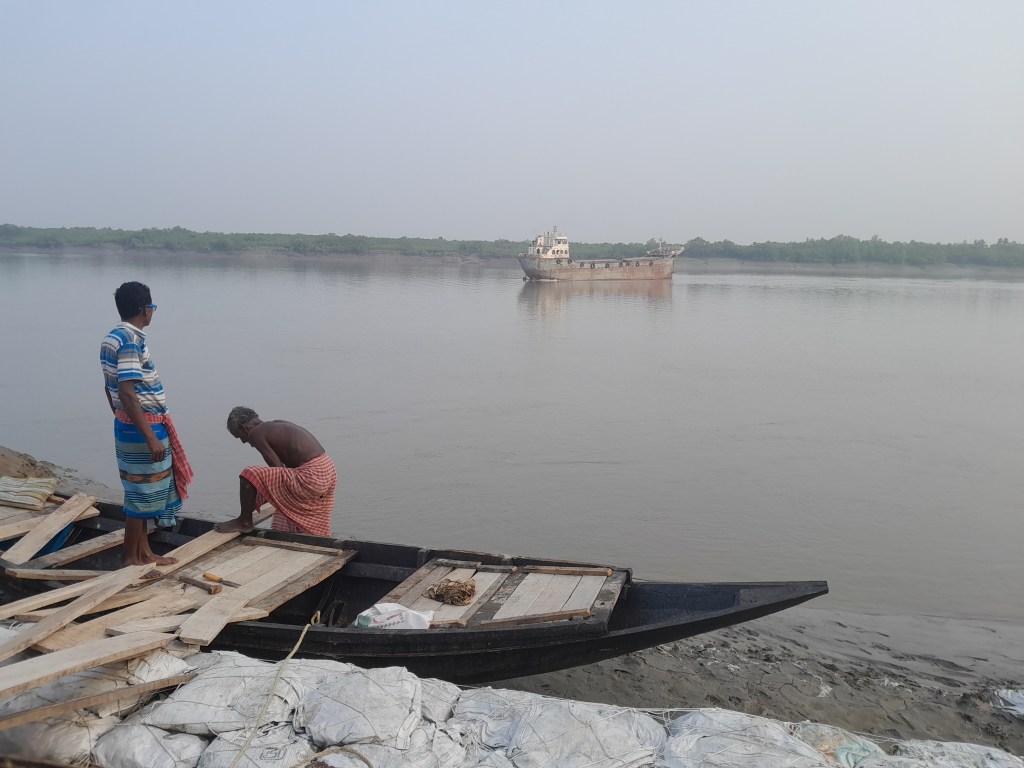
Residents of Kumirmari repair a boat as they watch a cargo ship pass by. Boats ply and trade takes place across Bangladesh and India. The water and cross border nature of the Sundarbans forests allow for international trade here. The green area across from the boatmakers is the beginning of the deep forest area, home to Dakhin Rai, or the tiger.
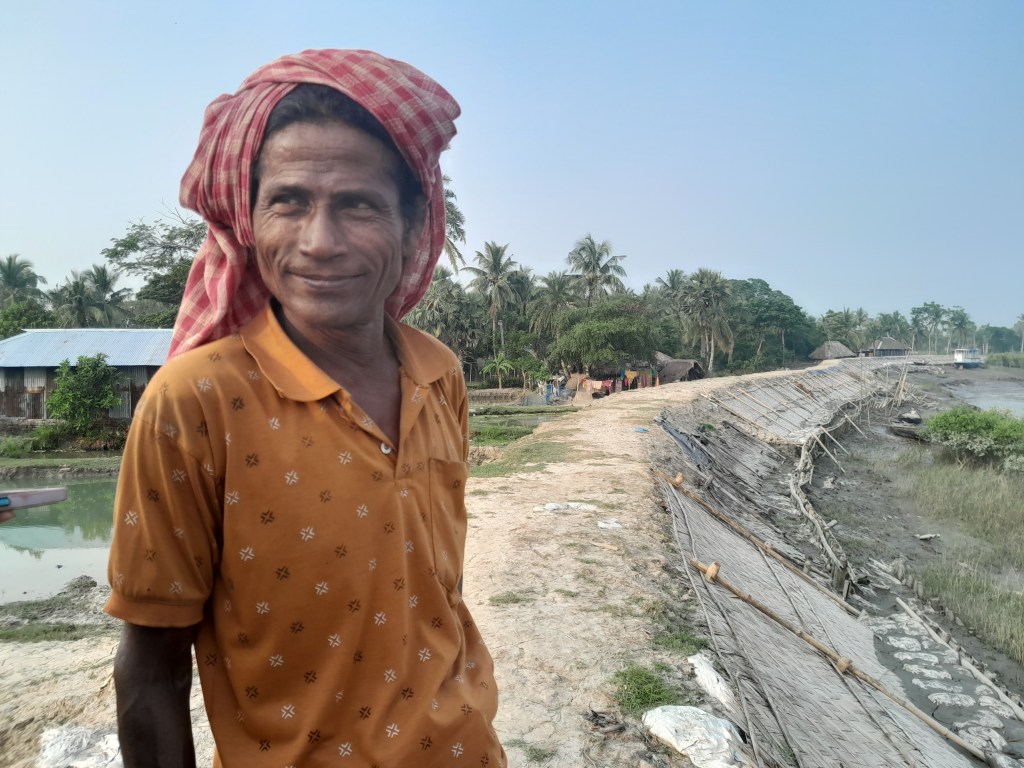
A boatman, poet, resident, and interlocutor who had recently returned from fishing in the River water, then took a dip in the pond and was finally off to visit the local shop in search of biscuits.
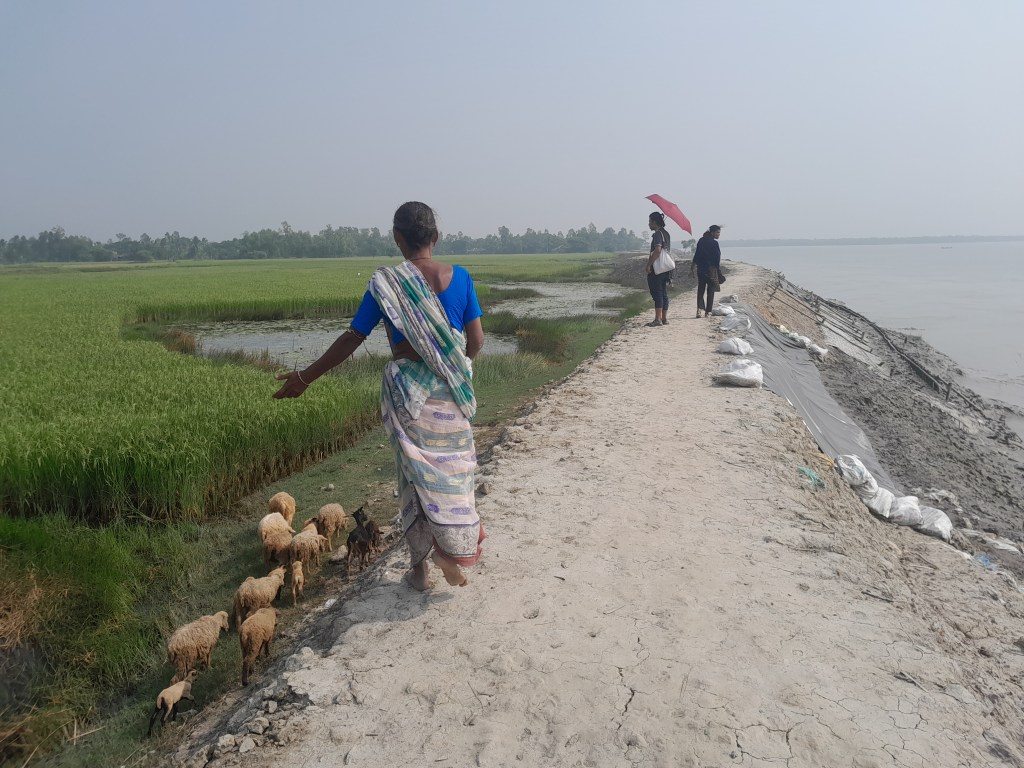
Livelihoods in the Sundarbans are also based on paddy cultivation and small-scale poultry farming aside from forest dependent subsistence.
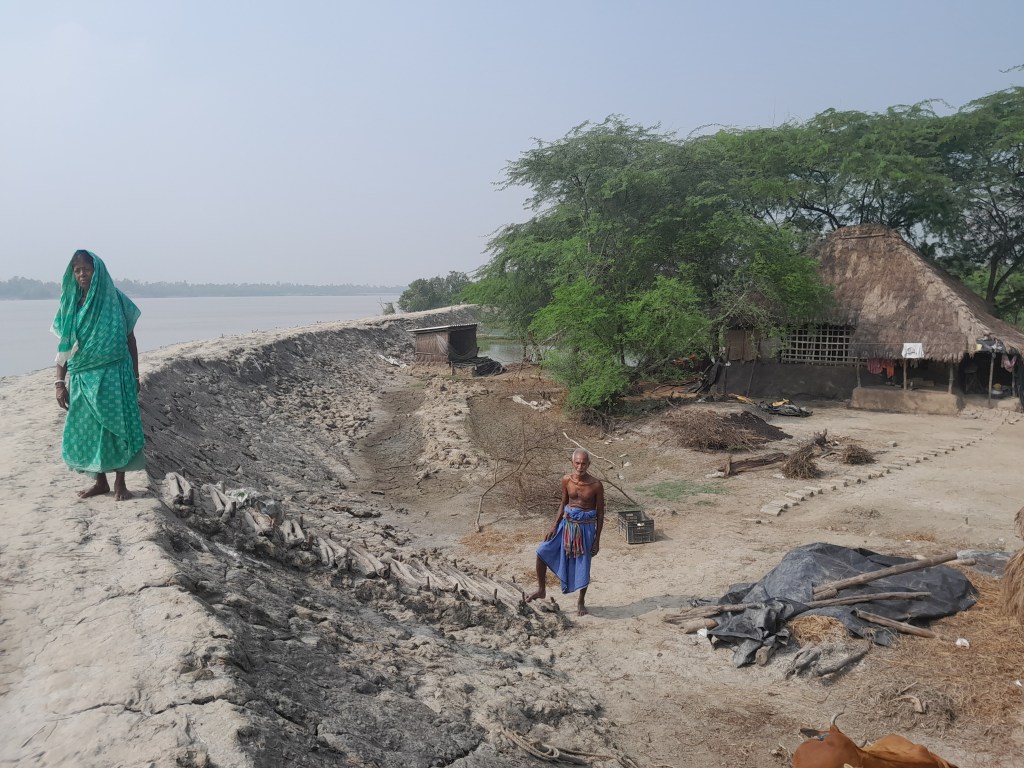
An elderly couple living along the River bank. Their home has a small shrine to bonbibi.
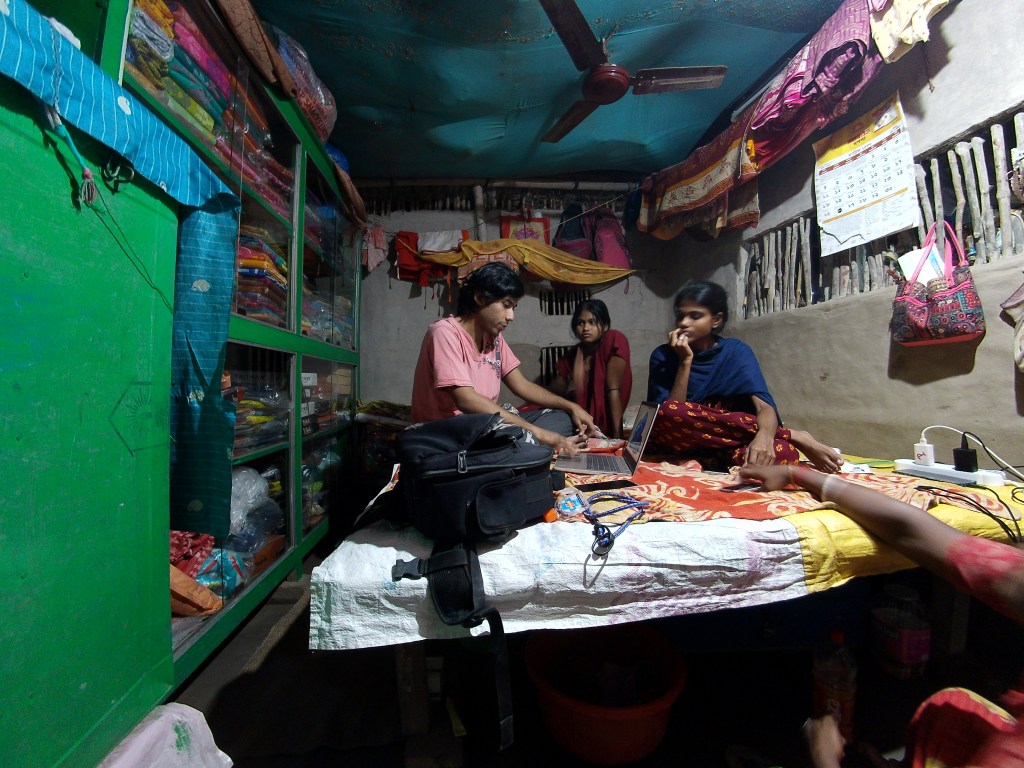
Sanchita’s home is made from wooden beams collected in the forests of the Sundarbans. This is the research team in conversation with her mother and sister.
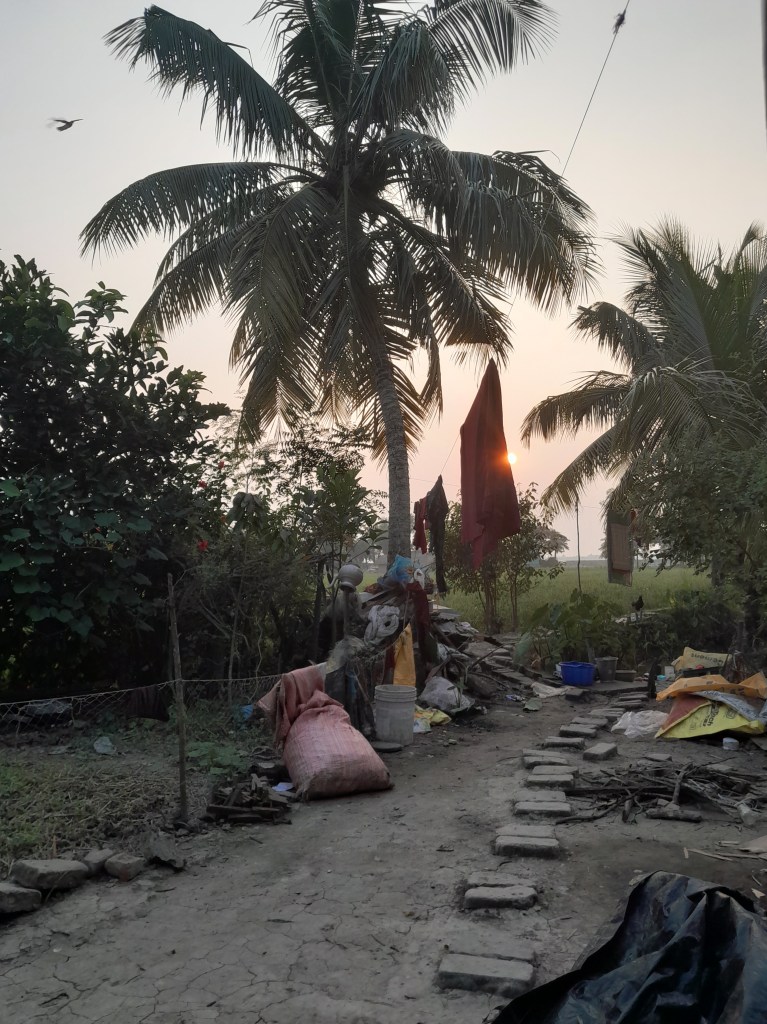
Homes in the islands of Chota Molla Khali and Kumirmari are constructed with care. Palm trees, gardens, laundry, small fishing ponds, and neat stairways leading to a patio are common in the area. We were welcomed and served tea at the homes of many new friends and residents of the area.
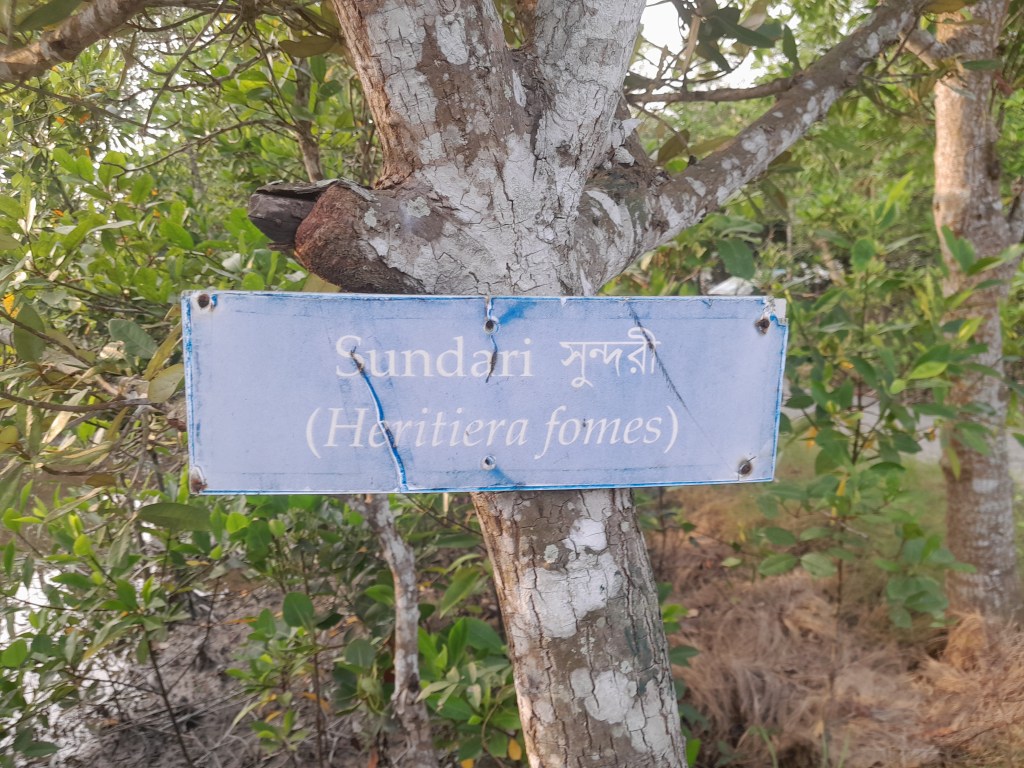
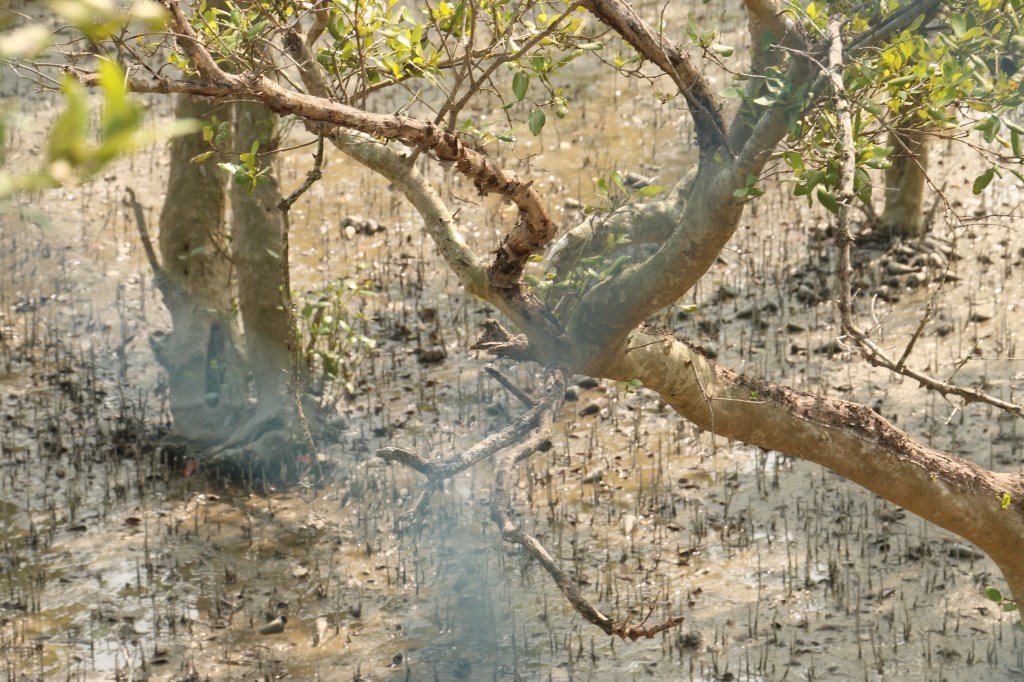
The Sundarbans is a forest of mangroves. Many of the different species of flora and fauna are documented and grown in nurseries neatly by the Forest Department. Parts of the islands are residential, while others form part of the national park. The park is divided into different zones, such as the core and periphery. The Sundarbans are named after this particular ‘Sundari’ tree, which is common in the mangroves. The roots of the mangroves are what hold the sands, islands and lives together.
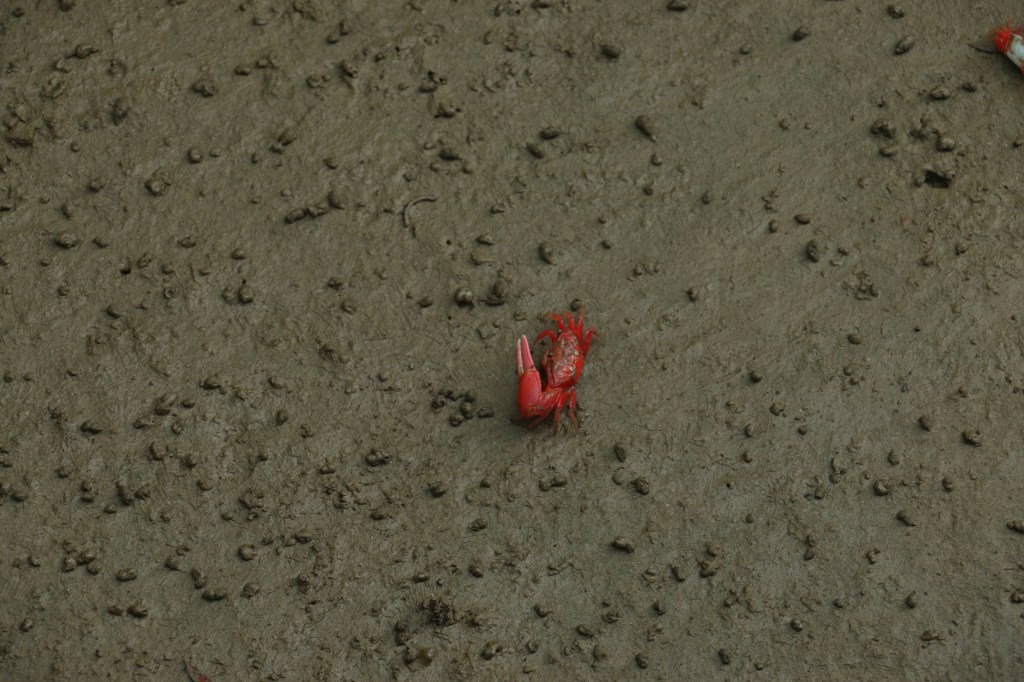
The weather is sunny, and this red fiddler crab was scrambling in the mud of the National park area of the bans. Crabs in the forest seem to prefer the cooler waters in the shadows rather than the sunny spots. This is among the smaller crab species in the area, which is home to a wide range of crabs, flora and fauna.
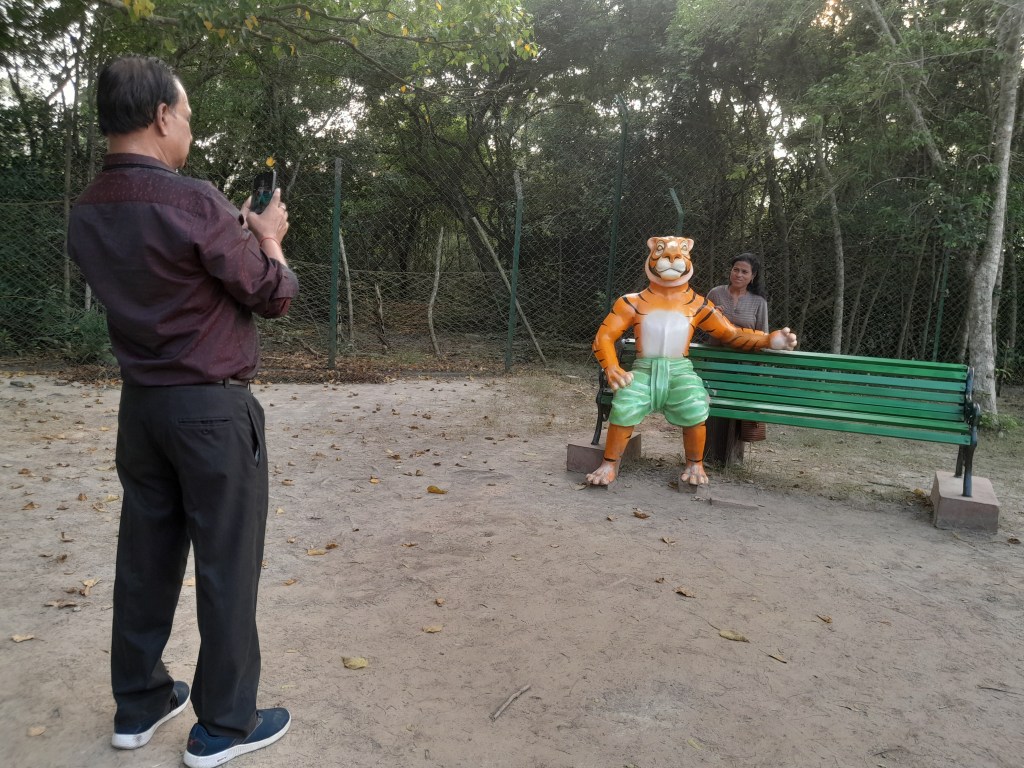
As in many national parks, tourists visit the Sundarbans with the aim to see the tiger. For many, this jolly fellow is the only one they get to meet. As in many national parks, tourists visit the Sundarbans with the aim to see the tiger. For many, this jolly fellow is the only one they get to meet.
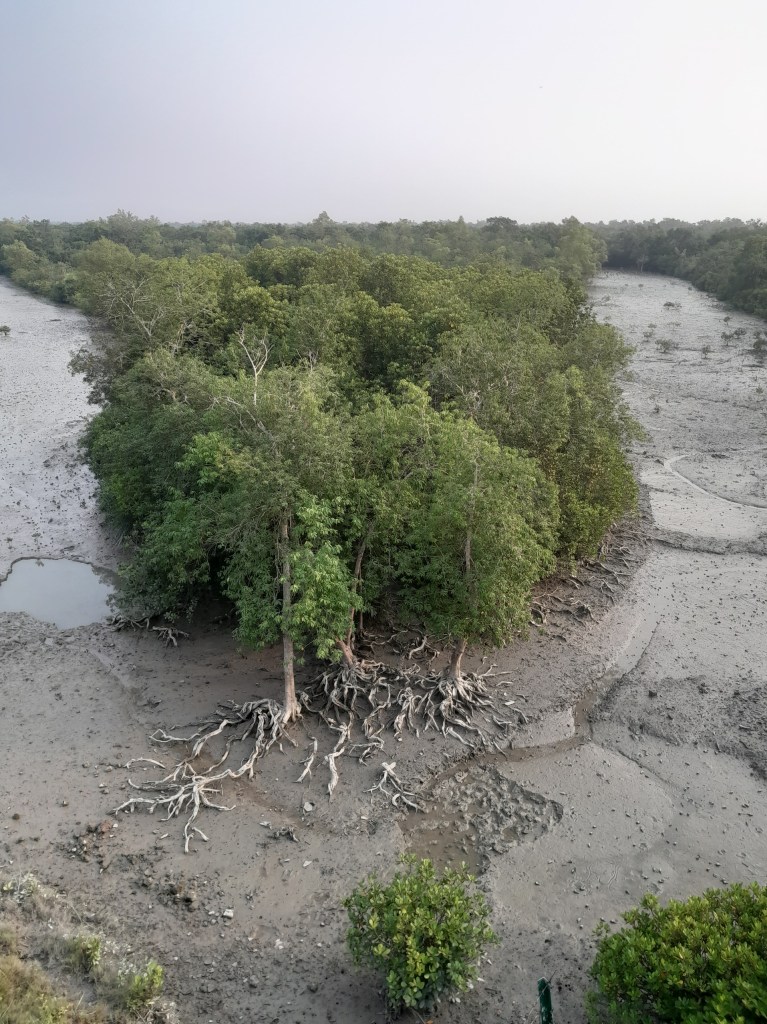
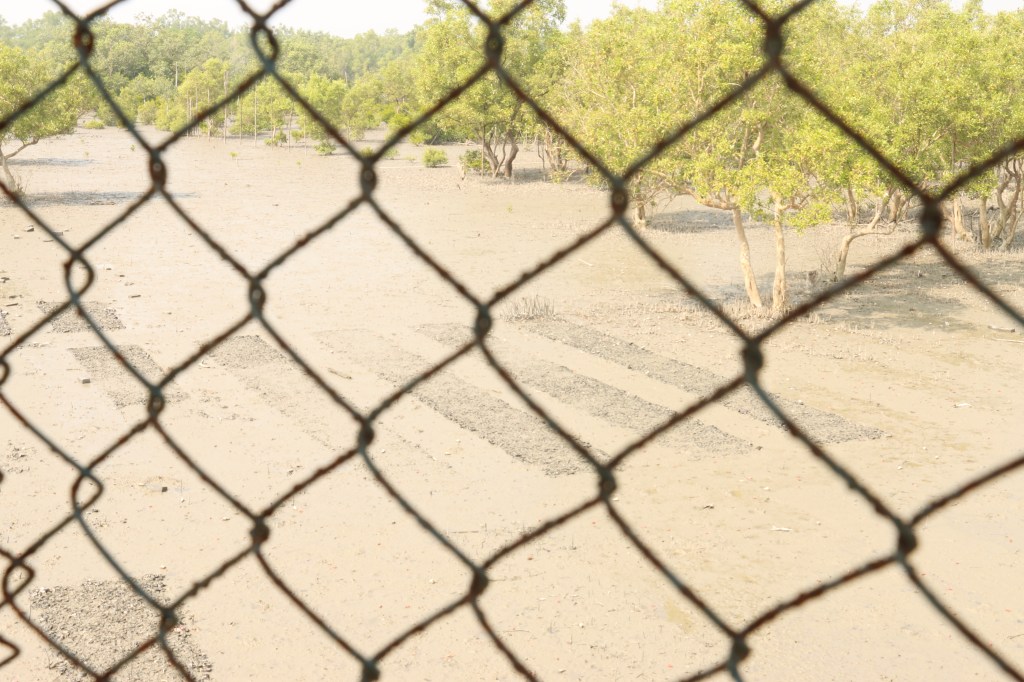
Trees of the mangrove forests.
 Jaladarsha