Souvik Das
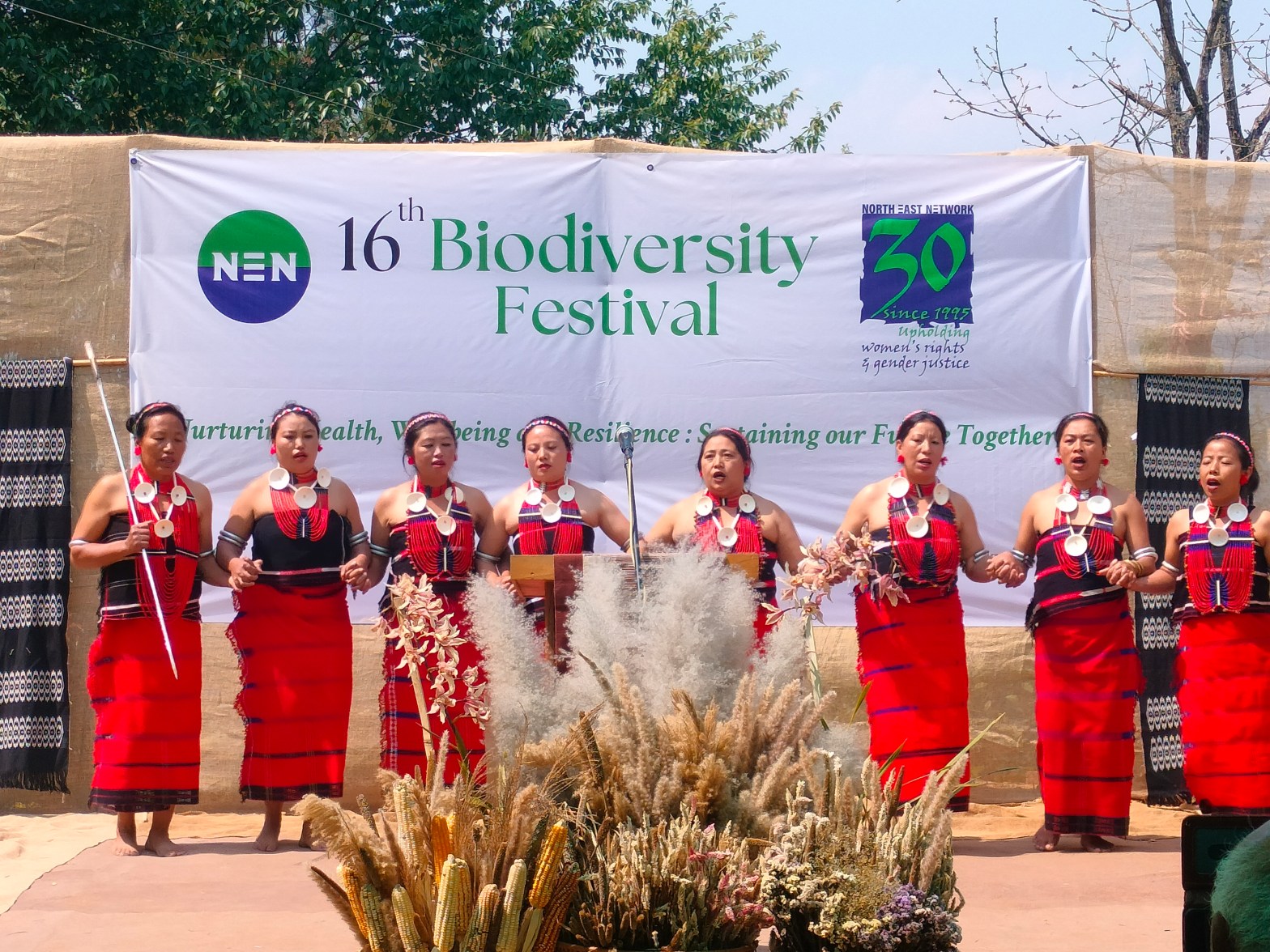
It was exciting from the beginning. The moment we got to know we have been invited by the North East Network (henceforth referred as NEN) to participate in their 16th Biodiversity Festival in Chizami in Nagaland, which also marks their 30th anniversary. For time constraints we could not be present at Chizami for the entire event. However, the phenomenal experience and rich insights that we gathered in the rendezvous have opened up exciting new ways of seeing and approaching gender and environmental violence and resistance. The experience and reflections shared by veterans as well as younger activists on field present multilinear perspectives on sustainability and gender justice.
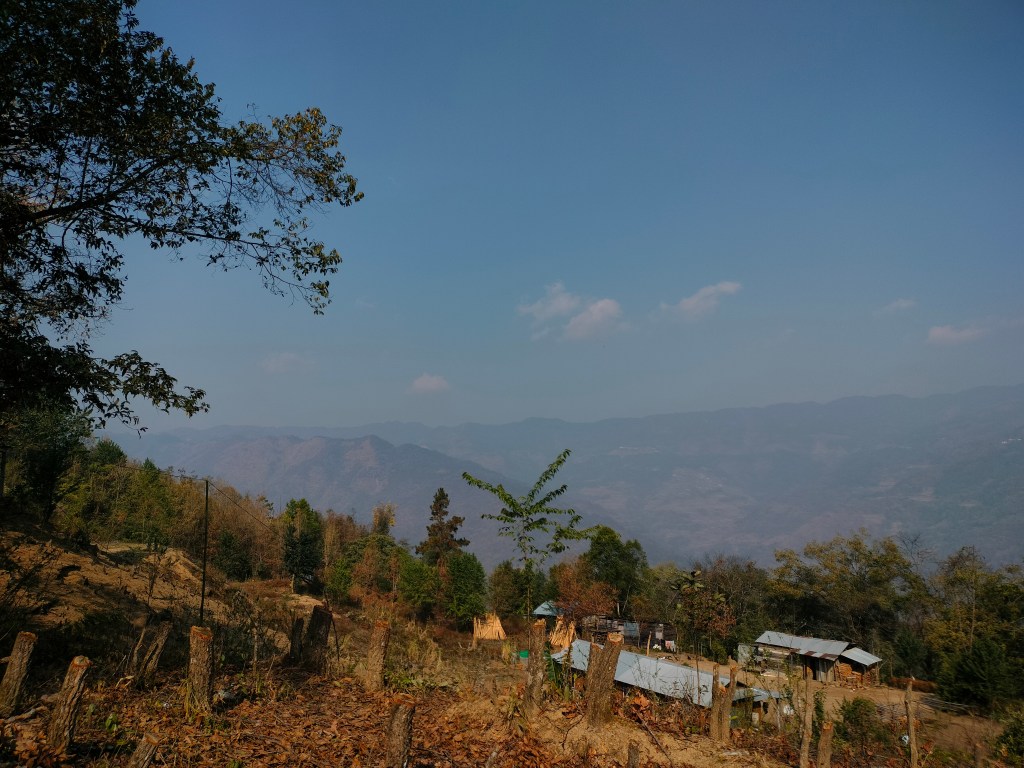
Chizami is a quiet village in the hilly district of Phek. For over a decade NEN has been working tirelessly in Chizami creating livelihood opportunities for local women through traditional textile weaving and organic farming.
The Chizami model of sustainability takes an integrated approach that harmonizes socioeconomic development with environmental conservation. These programs include training in bamboo craft, food processing, organic farming, rainwater harvesting, and low-cost sanitation. Beyond technical skills, the model also addresses broader societal issues through workshops on governance, women’s empowerment, and human rights, fostering a holistic framework for sustainable development.
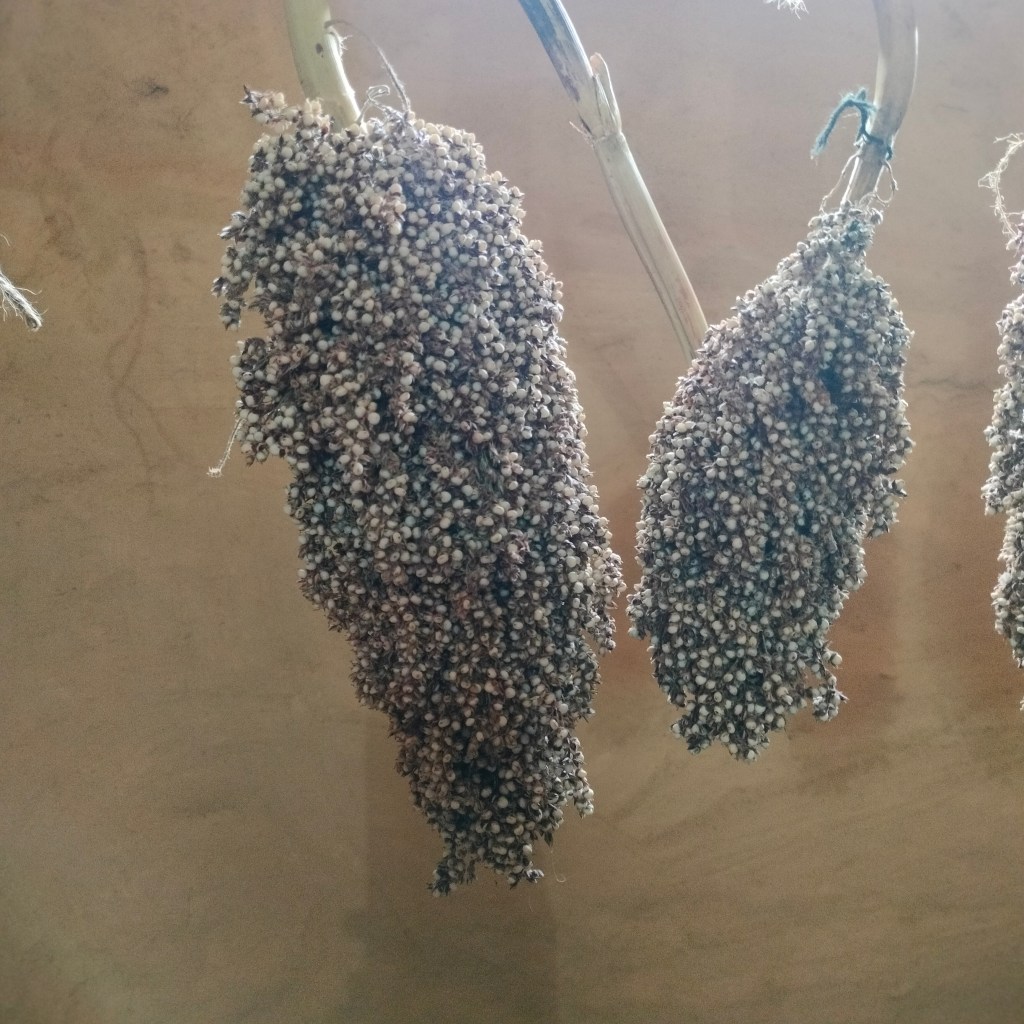
A key focus of the Chizami model is the revival and enhancement of traditional agricultural practices, particularly the promotion of millet cultivation. Millets, known for their resilience and long shelf life—remaining edible for up to 30 years—are highlighted as a critical crop for ensuring food security, especially during droughts. This awareness campaign has already inspired 150 farmers across eight villages to transition to millet-based farming systems, underscoring the potential of traditional crops in addressing contemporary challenges.
Central to this agricultural transformation is the leadership of women farmers in Chizami, who are pioneering sustainable practices through the management of traditional seed banks. These women possess the expertise to distinguish indigenous seeds ensuring the preservation of high-quality, locally adapted seeds. Their role extends beyond seed conservation; they actively disseminate their knowledge, mentoring fellow farmers and strengthening community resilience. This grassroots-led initiative not only safeguards biodiversity but also reinforces the critical role of women in sustainable agriculture and food systems.
We were hosted in a snug cottage homestay offering platefuls of local delicacies and a peep into the mundane unfolding of life in Chizami.
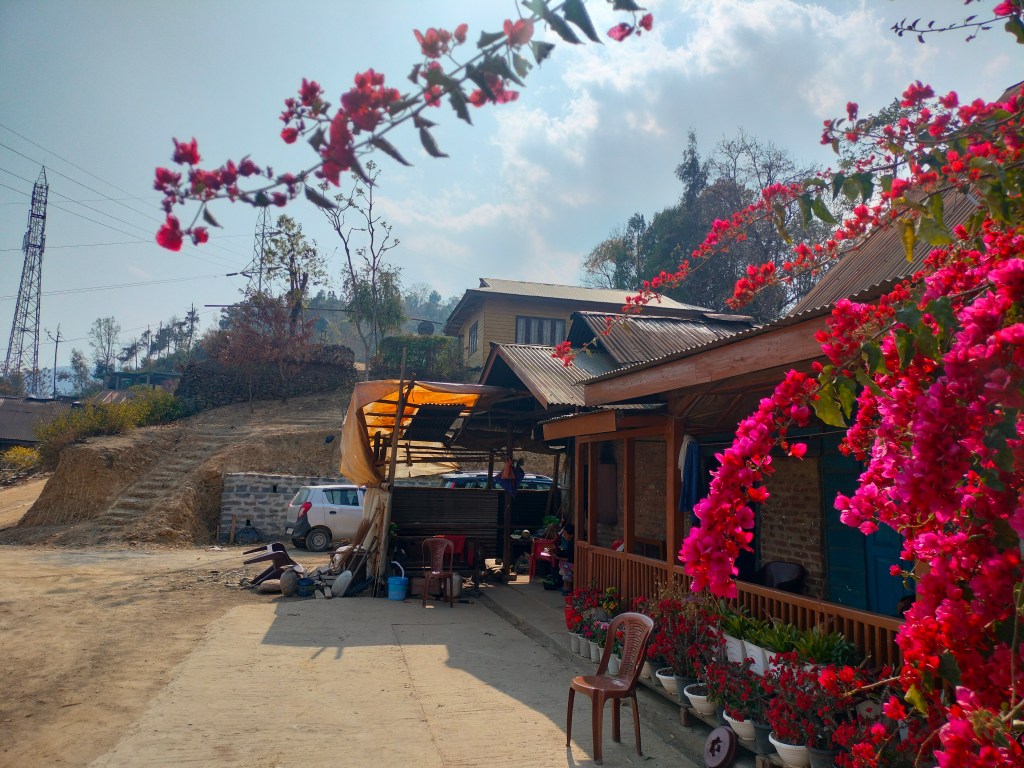
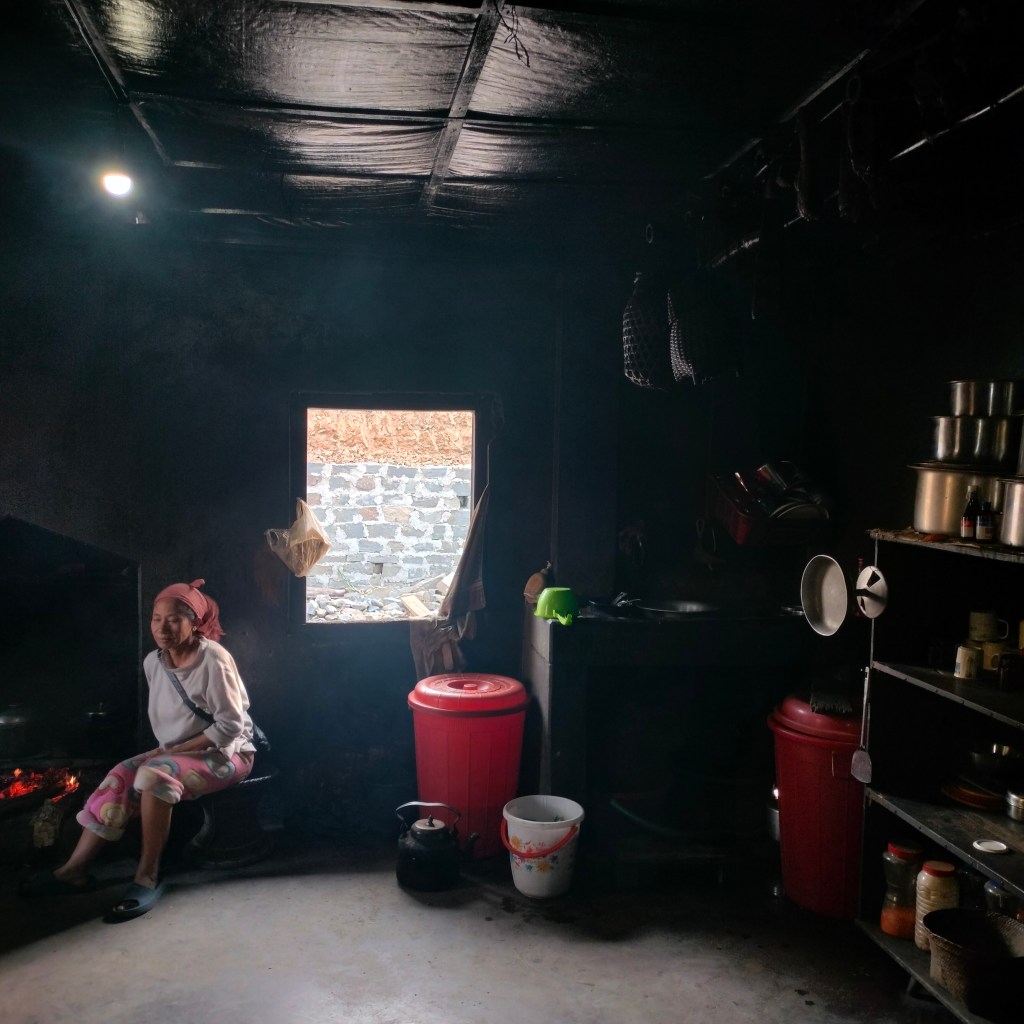
Our host Eyepiu (lovingly called Lilly) not only maintains the homestay but also is a skilful cultivator.
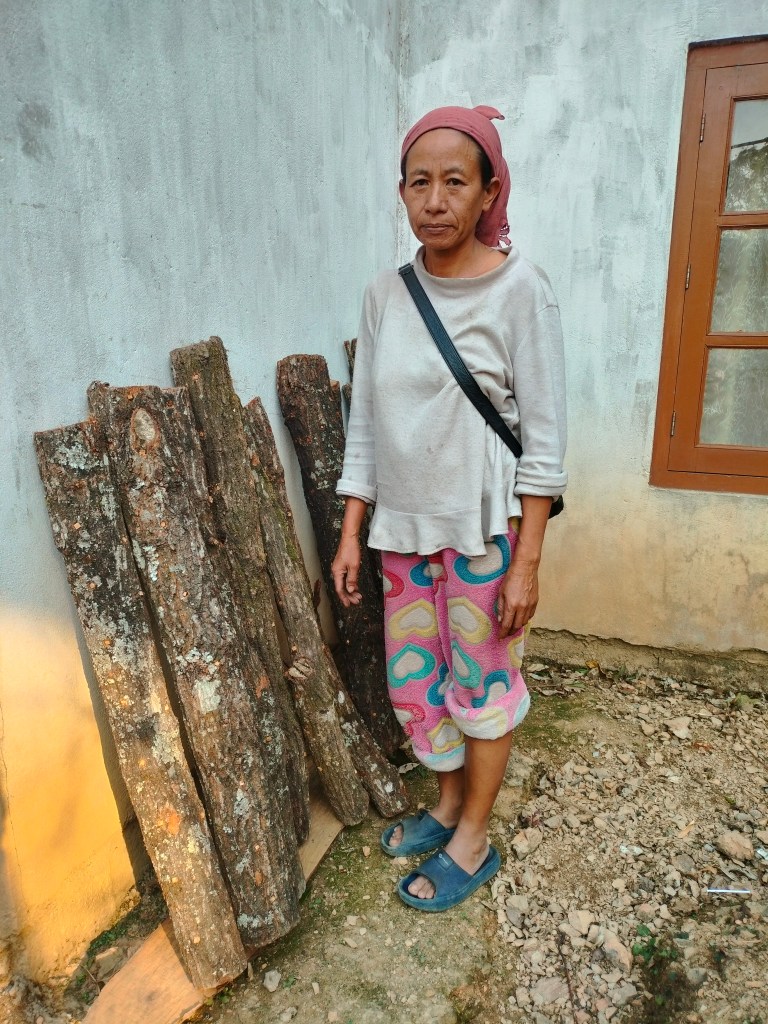
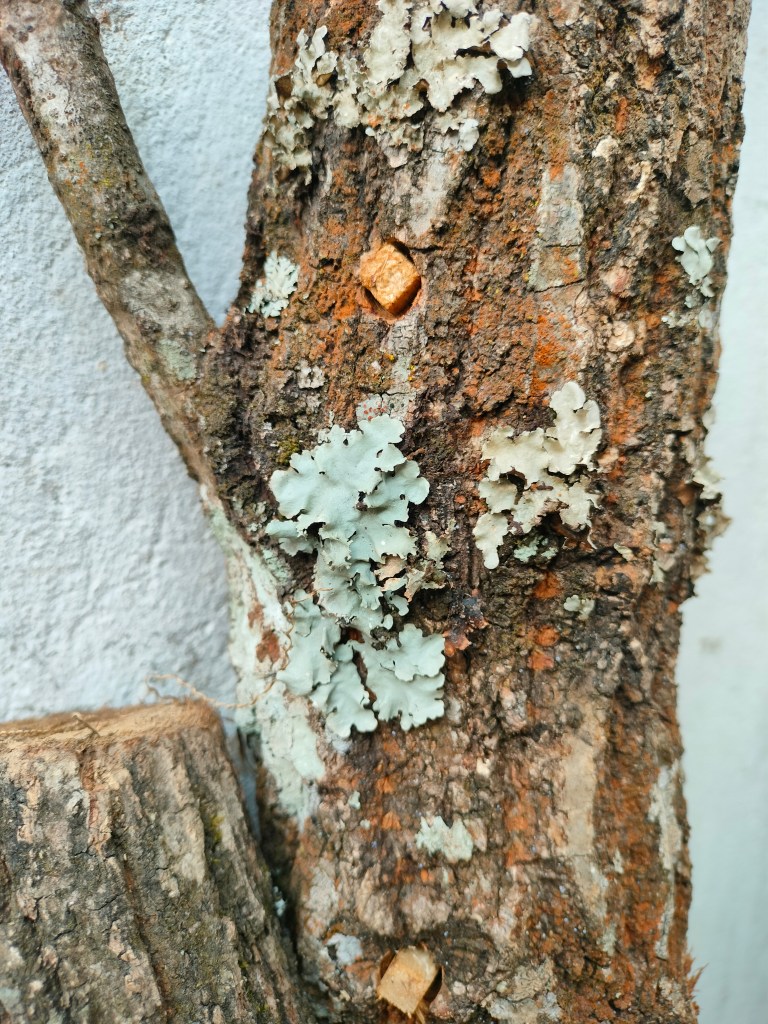
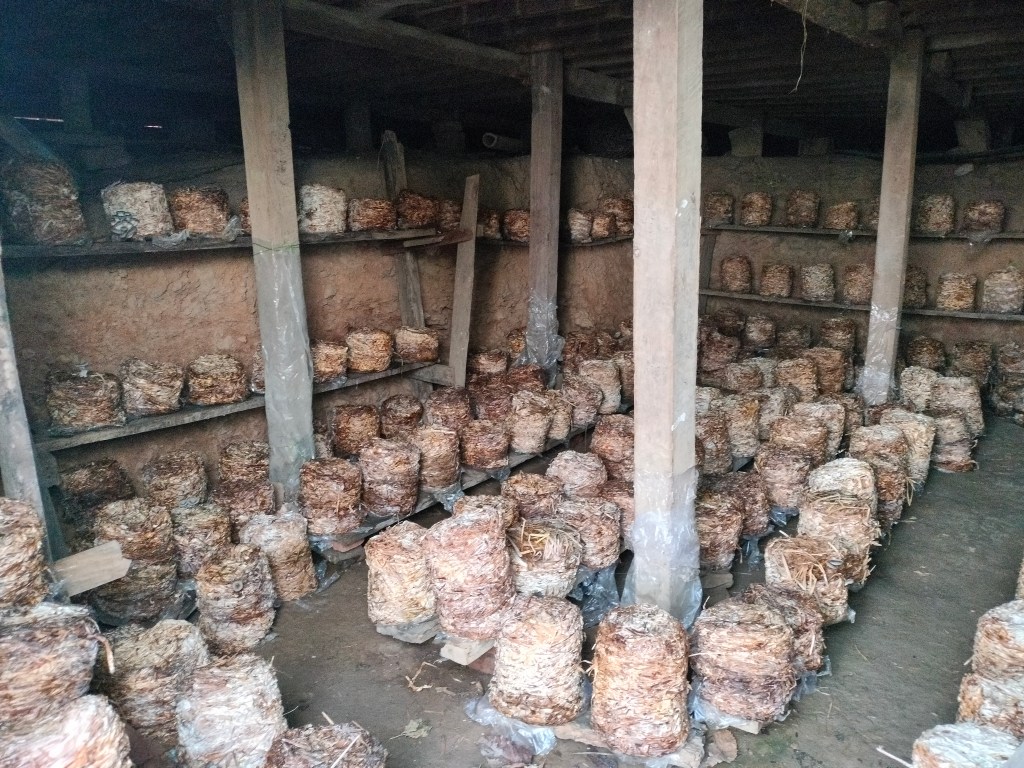
Lilly showed us her Mushroom farm, where she is growing Oyster Mushroom along with powdered ruffle lichen (Parmotrema perlatum), known for its earthy flavour when cooked.
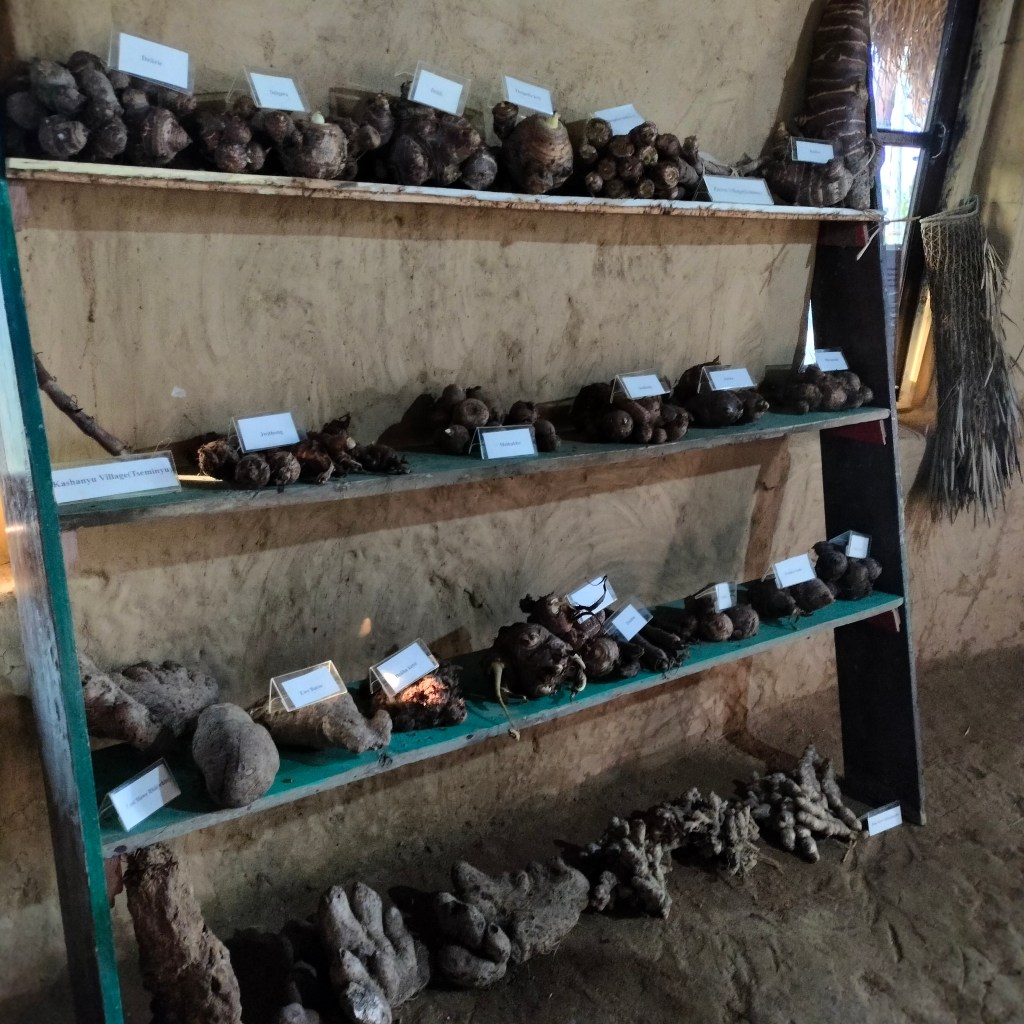
One of the prime attractions of the event was the inauguration of a community-led Seed Cradle. The seed bank is a brilliantly structured space to store and exhibit indigenous seeds.
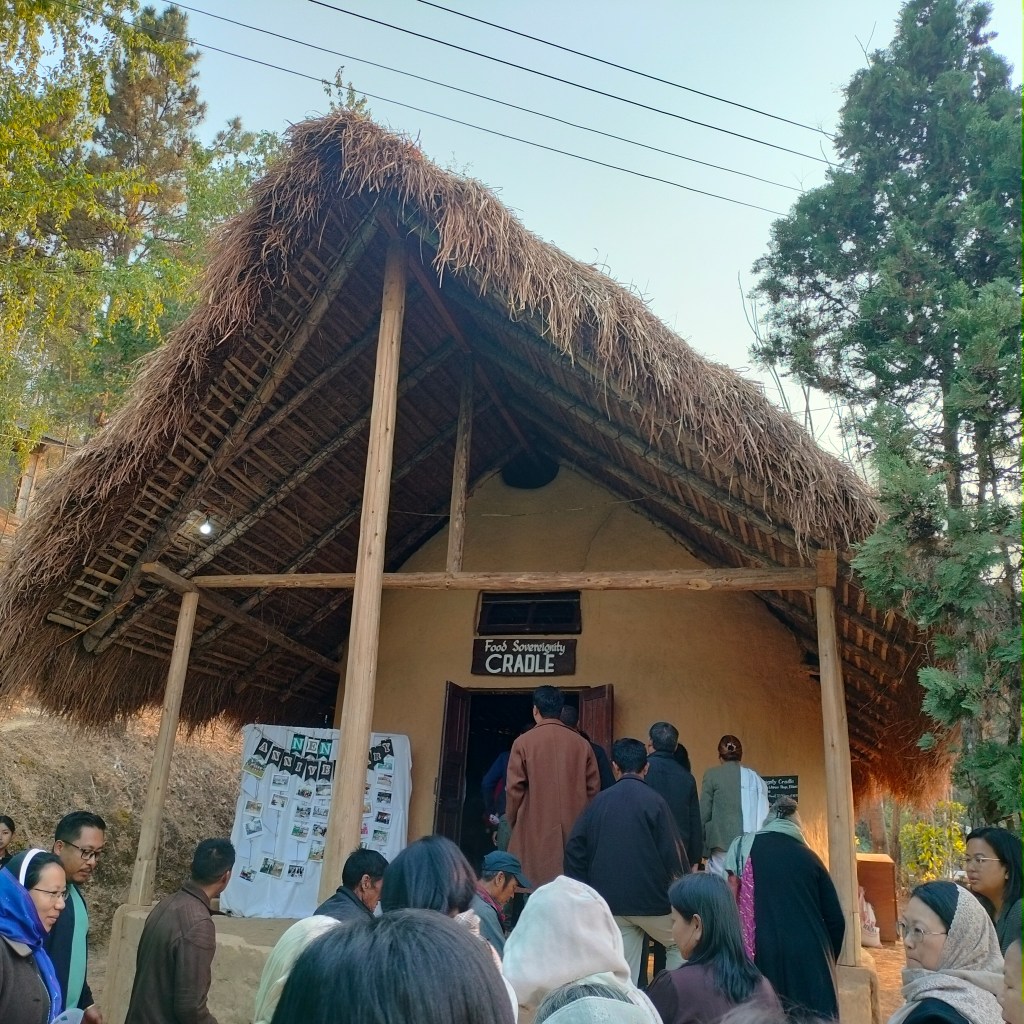
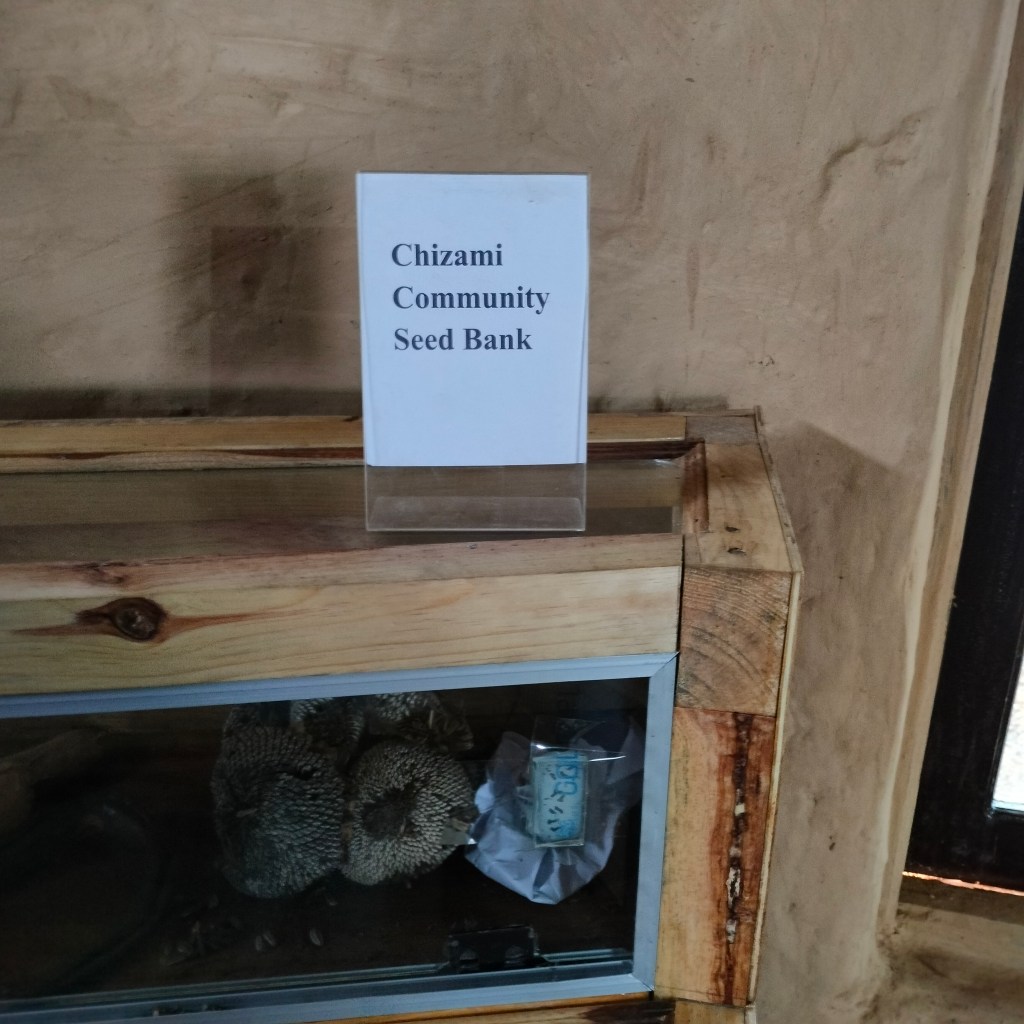
Various types of rice, millet, maize, leaves, and fruits along with yarns of thread and cotton balls were exhibited inside the Seed Cradle.
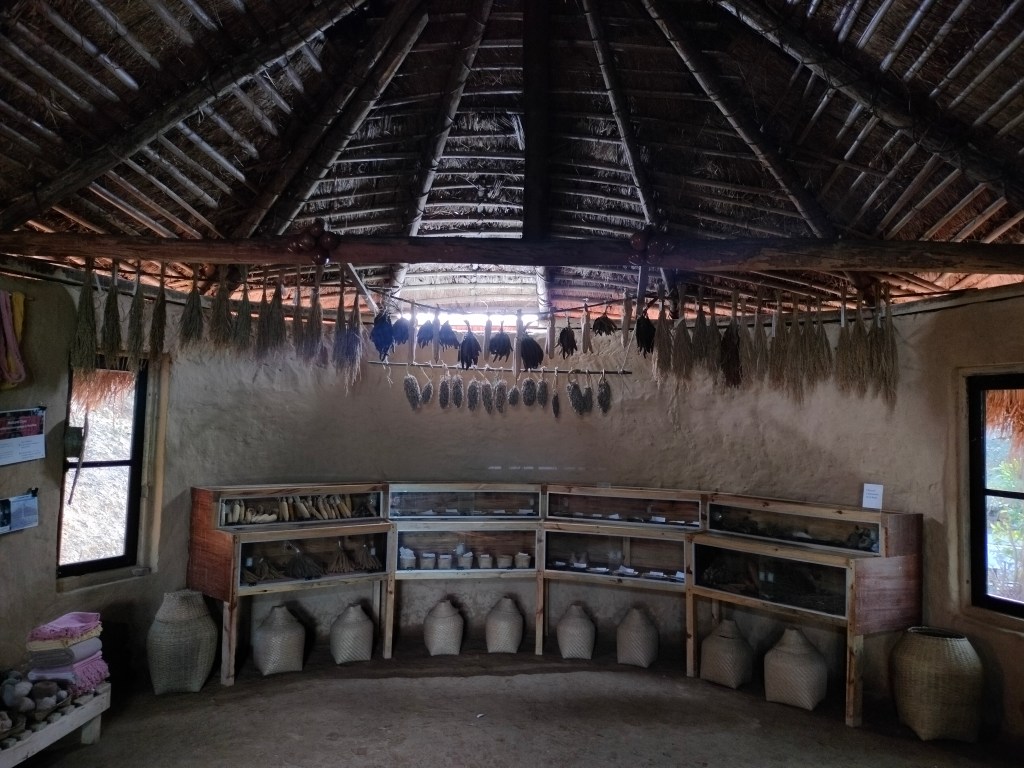
The seed bank is maintained by the community and stores locally adaptable indigenous seeds.
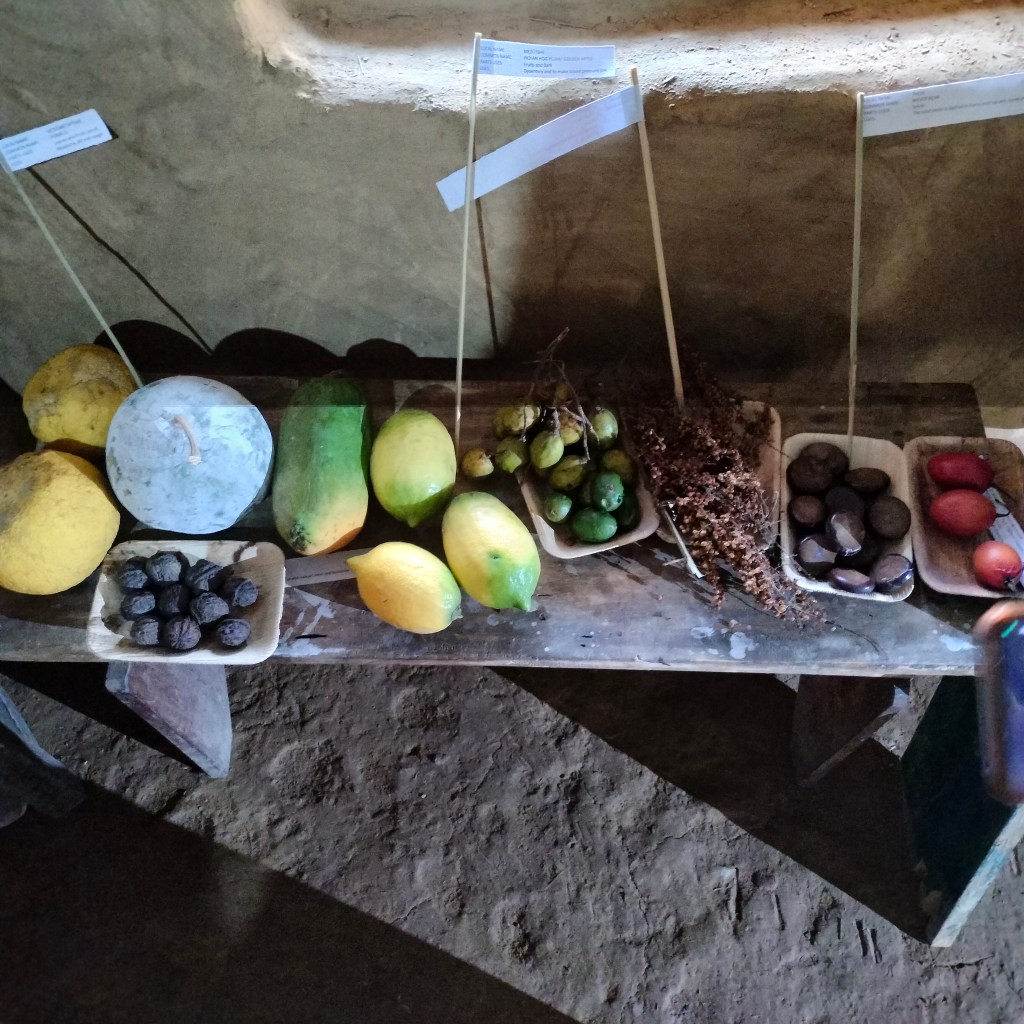
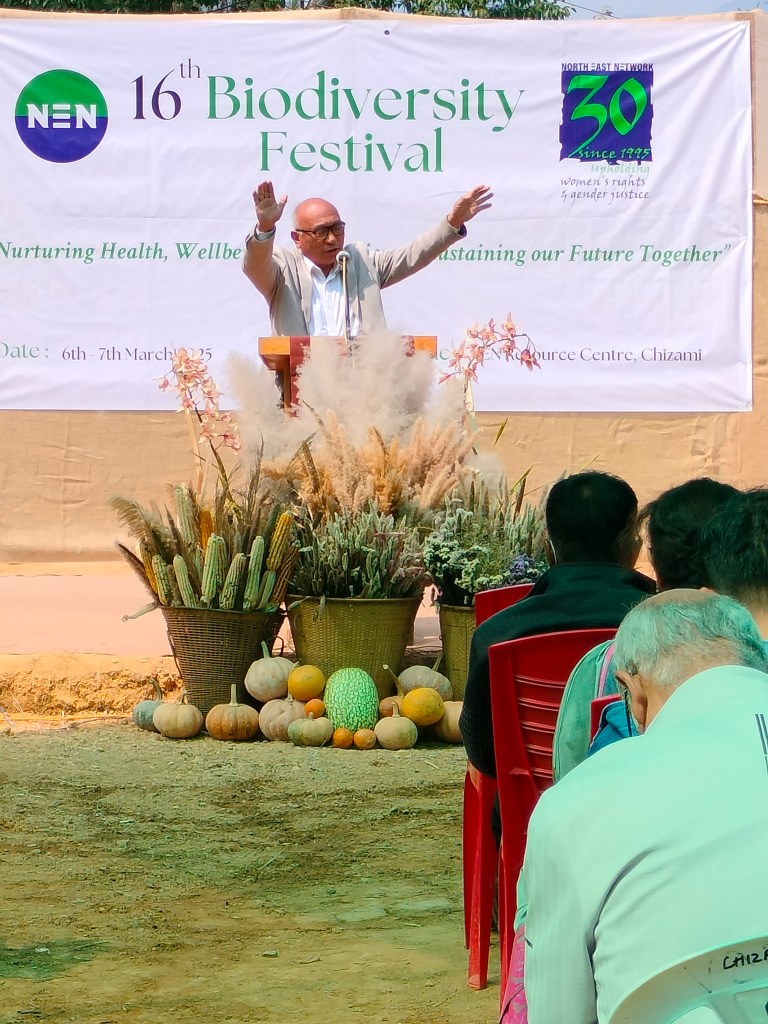
Incredible insights about the fight against gender and environmental violence have been voiced by veteran activists associated with NEN. A symbiosis of identity and environment was emphasised in looking at gender justice within tribal communities. It also harped on the importance of reaching out and learning community-based wisdom and what the community wants and device strategies accordingly.
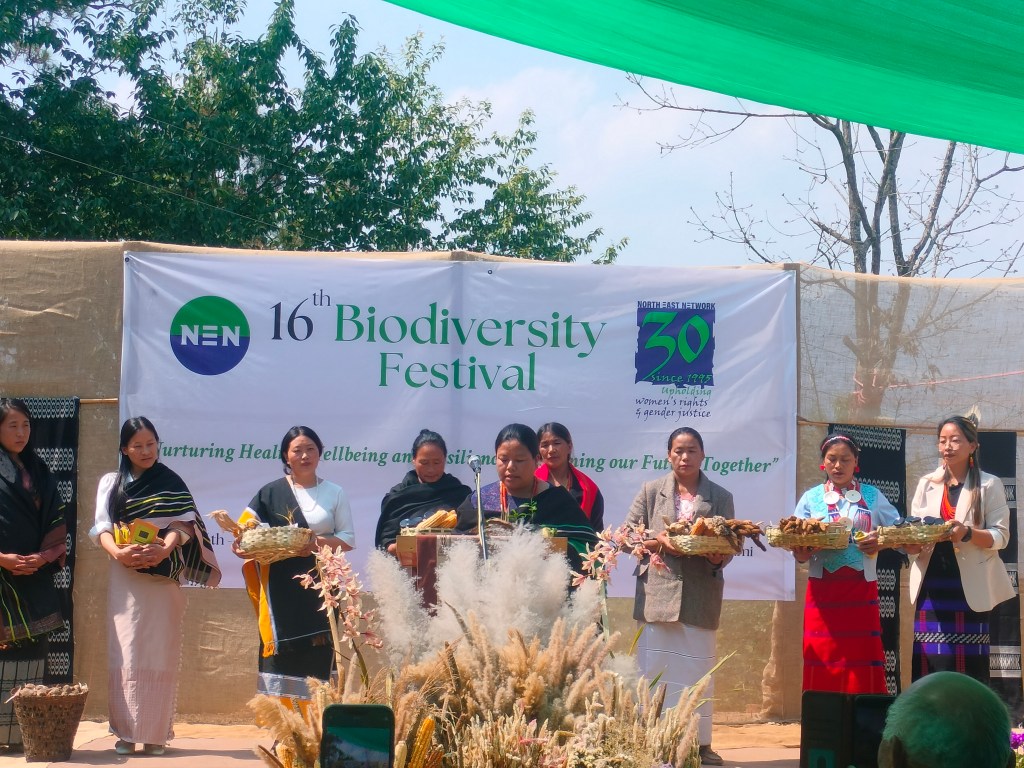
We also witnessed a seed exchange programme where representatives from six local tribal communities exchanged indigenous seeds celebrating solidarity. The ‘culture’ in agriculture was explored through ritual dance and music centred on cultivation. These performances have been traditionally carried out by women marking their immeasurable contribution in cultivating and preserving seeds.
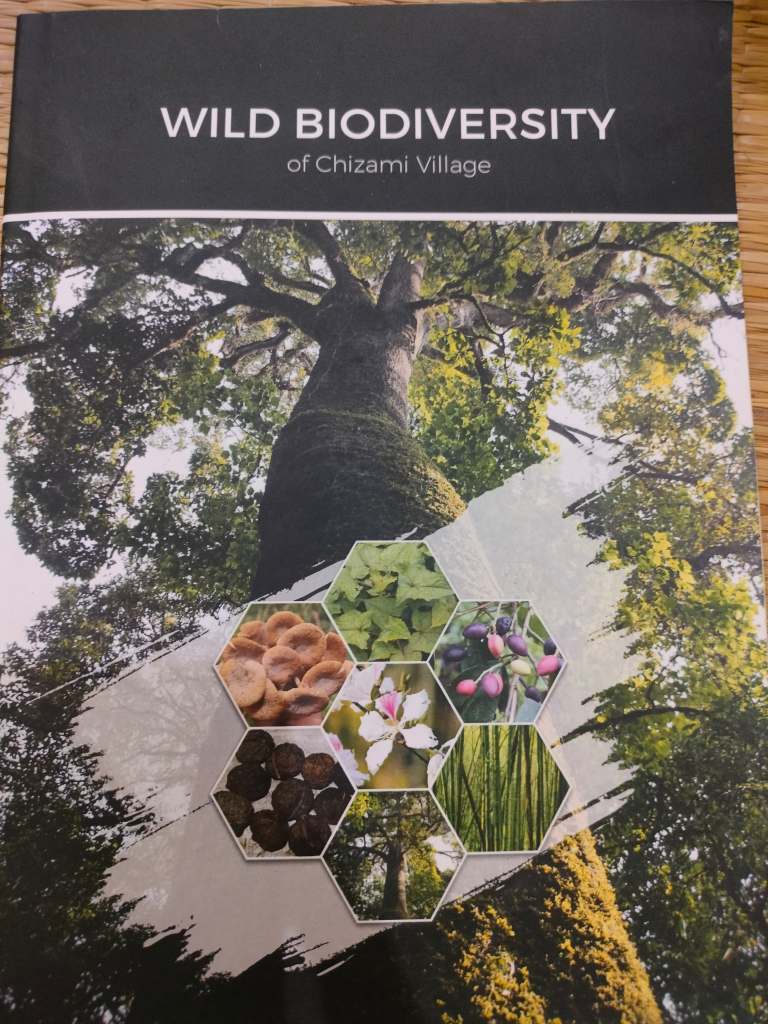
NEN also released their thorough and wide documentation of the floral wildlife of Chizami, Wild Biodiversity of Chizami Village. Tshetsholo Naro, fondly called the Butterfly Man of Nagaland, contributed in the making of the book and shared his experiences of setting up an Eco Club in Chizami in 2011 and his documentation of the butterflies of Chizami which also was published as a book in 2013.
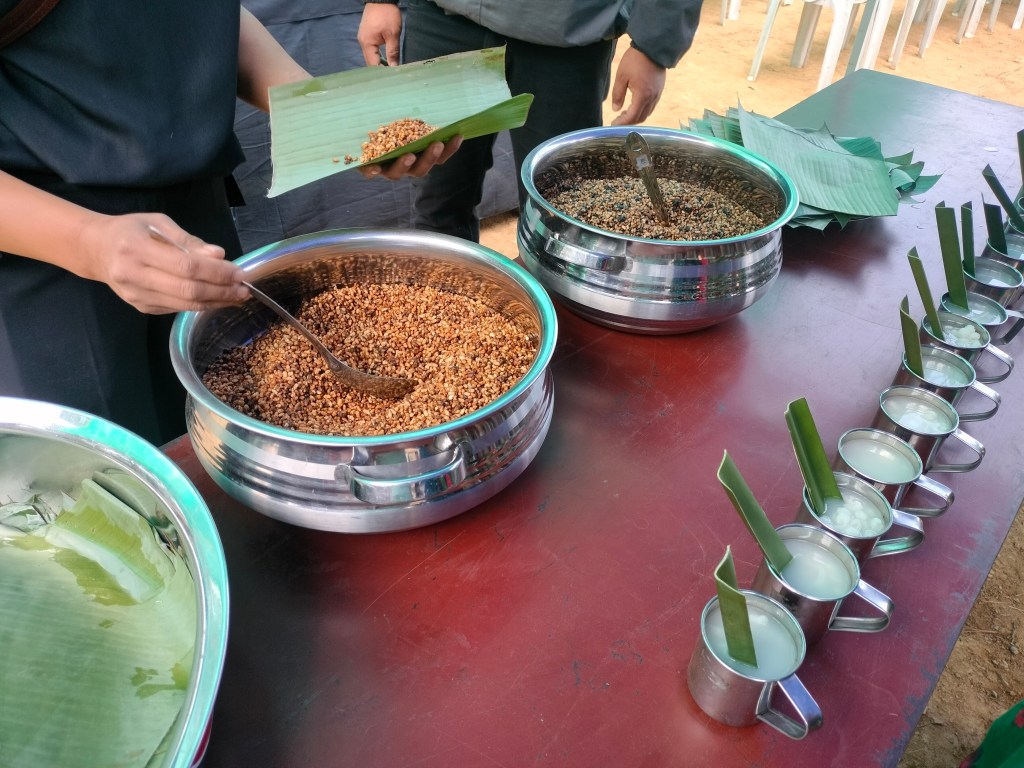
The event was a celebration of biodiversity in every facet of life and food was not excluded from the list. The guests were warmly offered a wonderful variety of food including sticky rice, many preparations of meat, vegetables and a millet dessert with milk and dry fruits.

Chizami is a successful story of feminist intervention towards sustainable development. There are almost 700 weavers connected with Nenterprise (the enterprise dedicated to women’s livelihood in the village through traditional textile weaving). As a model of ecological sustainability and alternative economy, Chizami provides an orientation to many working on the field towards similar goals. The 30th year anniversary celebration sets a milestone of solidarity, resistance, and success.
 Jaladarsha