Soumik Banerjee
Diversity is the hidden code of Nature’s resilience; Mother Earth is endowed by an overwhelming splendour of organisms at all habitats from the deep-sea vents to the highest peaks. Since the dawn of humanity – this diversity has helped us survive. About 20,000 types of plants were consumed by humans and related groups for hundreds of thousands of years. Even today- 4,000 types of wild plants are consumed across the globe; in villages proximal to forests or other natural habitats of India about 200 to 700 diverse types of wild foods are foraged and consumed. Apart from this wild diversity- humans partnered with nature over thousands of years to develop a plethora of domesticated plants and animals that have been our principal food for several thousand years.
There are estimated six thousand types of cultivated plants, out of which only 200 (3%) are currently in global food supply and only 9 (0.15%) contribute to 66% by weight;. They are- Rice, Wheat, Soyabean, Maize, Cassava, Sugarcane, Sugar beet, Potato & Oil Palm. This enormous imbalance in diversity has not only taken a huge toll of the environment through intensive chemical farming and destroying forests and also our economy, diet, health, and society through nutritional deficiencies and emerging lifestyle diseases.
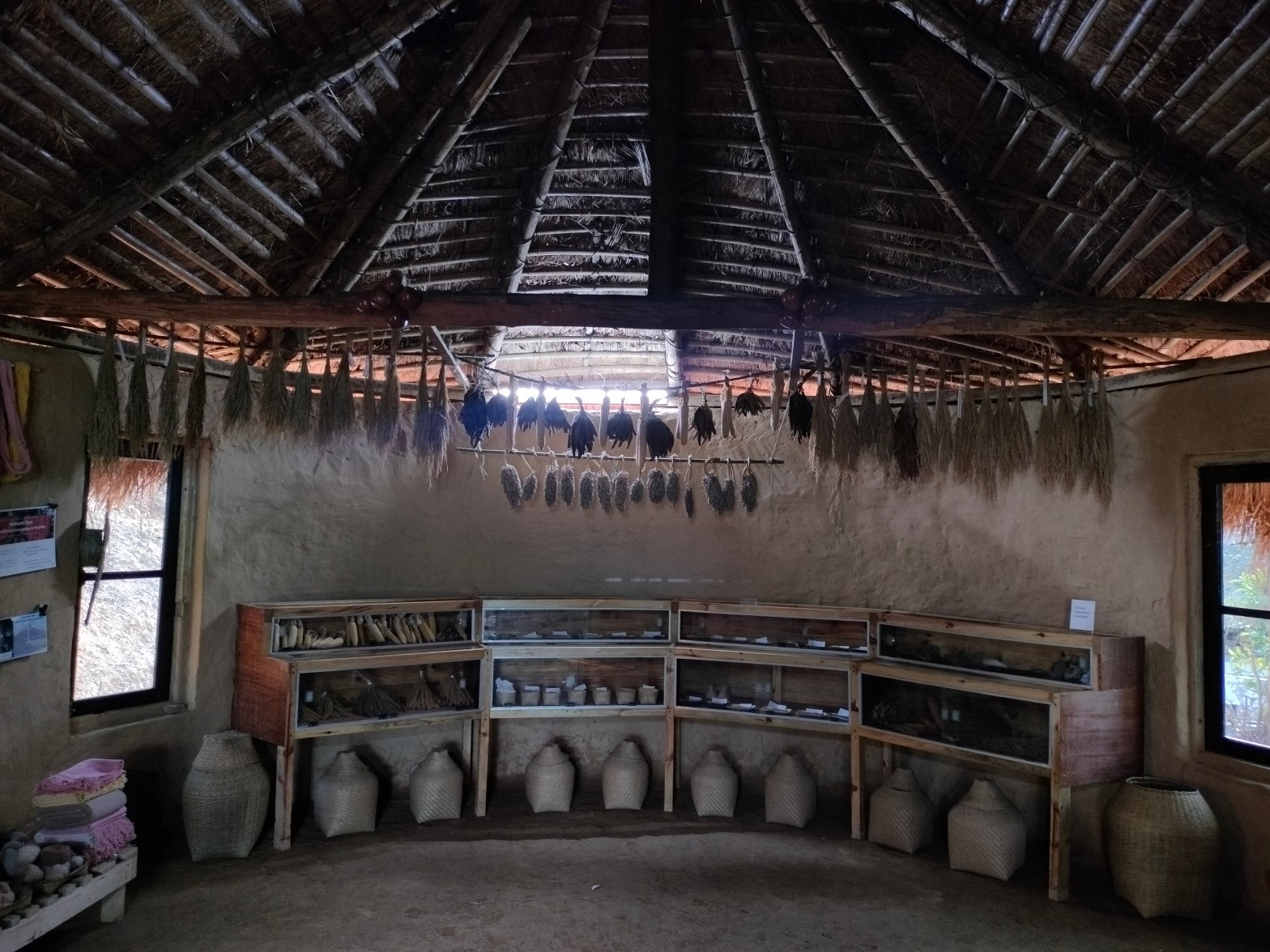
Folk Seeds of local Crops are the first step towards embracing agroecological approach- the link of the seed microbiome to the soil. Since the dawn of agriculture- farmers have selected, cultivated, bred, stored, exchanged, and maintained an enormous diversity of crops and varieties among them.
These Folk Seeds are unique in their evolution in local environs adapted to the climate, soil, agronomic practices, and ability to withstand biotic and abiotic stress. They are also nutritionally richer and respond best to local soils and organic manures and have demand in local markets. Folk seeds represent thousands of years of unbroken legacy of history, culture, traditions, food security and sovereignty.
Seeds are not isolated entities but have a biome; these symbiotic microbes or Endophytes present all over the seed and act as regulators of plant health, nutrition. They can fix Nitrogen, generate Antioxidants to protect plants under abiotic stress and release plant growth hormones.
Folk Varieties are superior to Modern varieties as they –
- Locally bred and adapted to local conditions
- Adapted to regions with high ecosystem diversity
- Wider Genetic Base
- Variable Gene Frequency within and among varieties
- Are openly pollinated and promote outcrossing
- Allow flow of genes with wild relatives
- Make strong associations with local microbial symbionts
- Phenotypic Adaptation to Mixed Cropping systems
- Higher Nutrient acquisition abilities
Farmers have been the first seed breeders and with meticulous observations and generations of collective efforts have created an astounding treasure of varieties that is unparalleled in history. Even today Adivasi and traditional farmers are developing novel varieties as well as cultivating, re-using and exchanging such seeds in the community.
Folk varieties are ideal for Agroecology and can offer resilience from climate shocks while providing higher nutrient density and lead decentralised seed systems empowering communities in reviving self-reliance and traditional practices.
Since the advent of the “Green Revolution”, where Rice & Wheat were prioritised and breeding programs focussed on manipulating crop architecture to increase response to synthetic fertilisers in an attempt to boost yields-there has been serious decline of Millets, Pulses & Oilseeds as crops as well as loss of varietal diversity. Promotion of Fertilizer responsive Japonica Paddy & Mexican Wheat and later Soyabean, Genetically Modified Cotton, Hybrid Maize & Vegetables, have greatly exacerbated the use of agrochemicals, extraction of groundwater, and farm mechanisation. These changes have eroded diversity, transformed landscapes, ecosystems and impacted local soil, water, animals, human diet, health, nutrition security, and farmer sovereignty.
Folk Seeds are the first step towards embracing Natural Farming, since these varieties are adapted to perform under natural inputs in local soil, ecology and climate regimes. Reviving agro-biodiversity is essential to bring in resilience in the socio-cultural milieu of the custodian, Adivasi and other marginal communities. This will ensure easier transition of farmers from chemical intensive systems to Natural farming while also addressing the multiple challenges of Accelerated Climate Change, Malnutrition and Lifestyle Diseases.
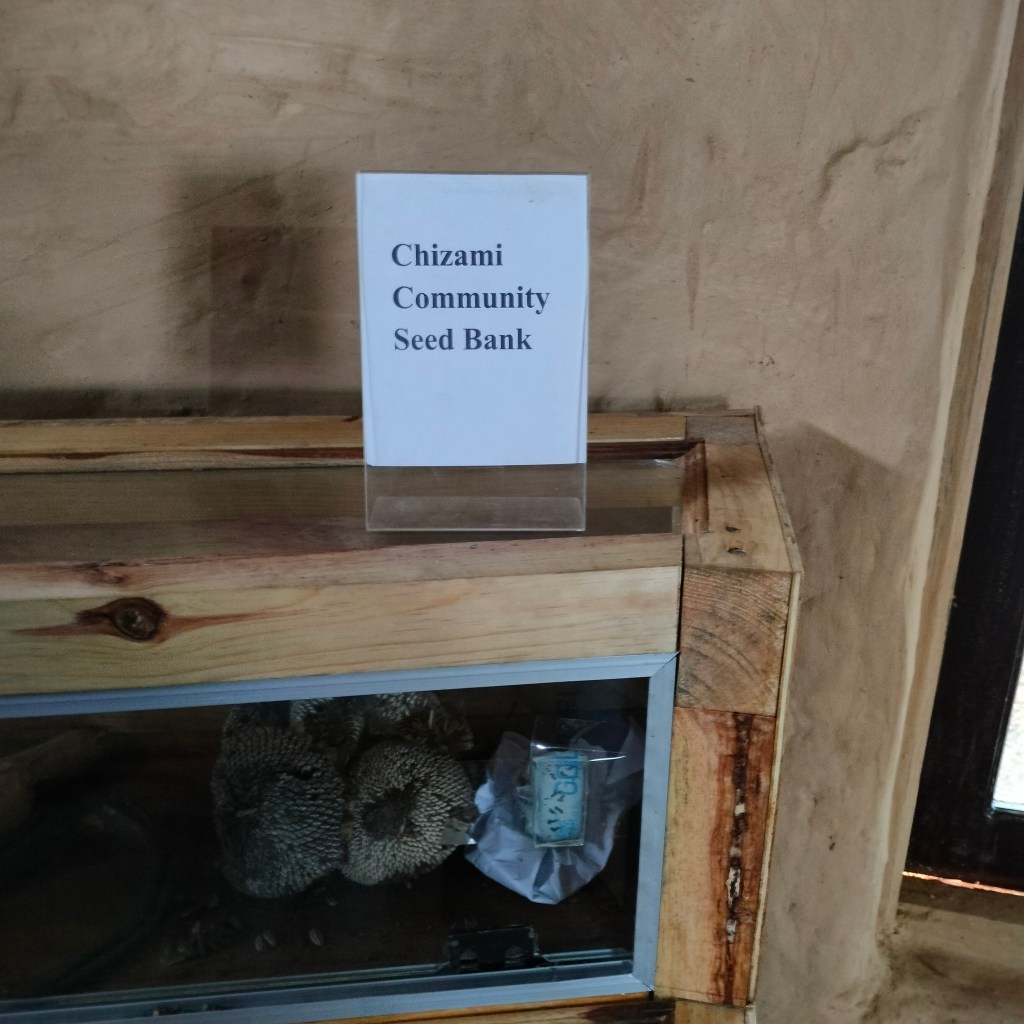
The future of farming and its continued sustainability towards maintaining Soil, Plant, Animal & Human health and happiness lies in embracing our millennia-old Folk Varieties of Crops and traditional farming Ecosystems.
About the writer:
Independent Researcher and Practitioner of Agro-ecology & Heirloom Seed Conservation.
Currently engaged in conservation research of Indigenous varieties & Landraces of field crops through Field Conservation with farmer groups in eastern & central India.
Working with Adivasi communities practicing Shifting Cultivation in eastern & central India towards Guided Fallow and Forest Gardens.
 Jaladarsha