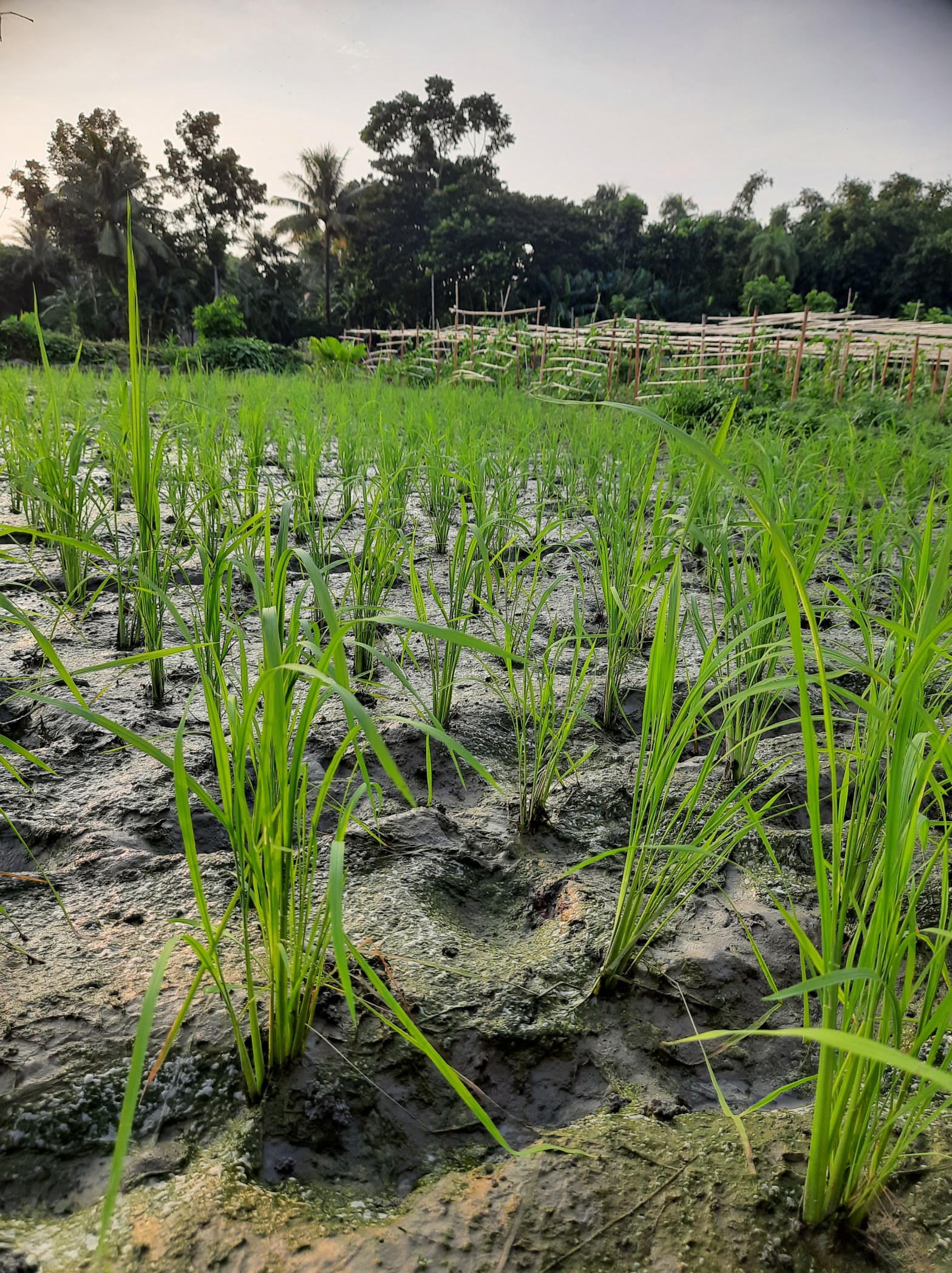
আগামী প্রজন্মের জন্য জীবন্ত মাটি রেখে যেতে পারবো। মাটি কথা বলবে।
লোকায়ত বীজের পুনরুজ্জীবনই প্রাকৃতিক চাষের মূল চাবিকাঠি
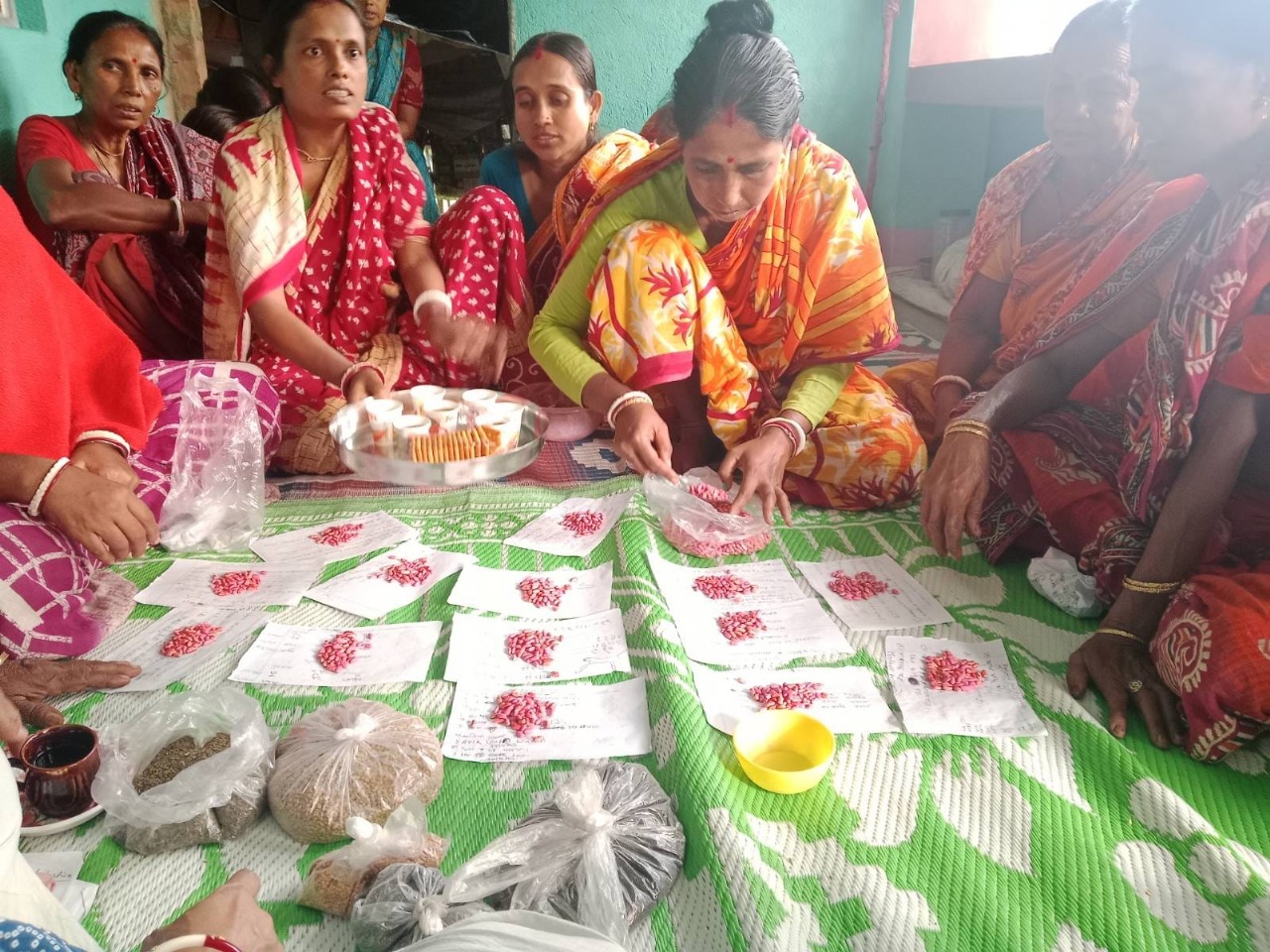
সৌমিক ব্যানার্জি (তরজমা পীযূষ দত্ত) প্রকৃতির সহনশীলতার গূঢ় রহস্য হলো বৈচিত্র্য। সমুদ্রের গহ্বর থেকে সর্বোচ্চ পর্বতচূড়া পর্যন্ত, সর্বত্র ছড়িয়ে রয়েছে অগণিত প্রাণীর অপরূপ বৈভব। মানবসভ্যতার শুরু থেকেই এই বৈচিত্র্য আমাদের বেঁচে থাকতে সাহায্য করেছে। হাজার হাজার বছর ধরে মানুষ ও আরো বিভিন্ন গোষ্ঠীগুলি প্রায় ২০,০০০ প্রজাতির উদ্ভিদকে খাদ্য হিসাবে ব্যবহার করে চলেছে। আজও সারা বিশ্বেContinue reading "লোকায়ত বীজের পুনরুজ্জীবনই প্রাকৃতিক চাষের মূল চাবিকাঠি"
Revival of Folk Seeds is Key To Natural Farming
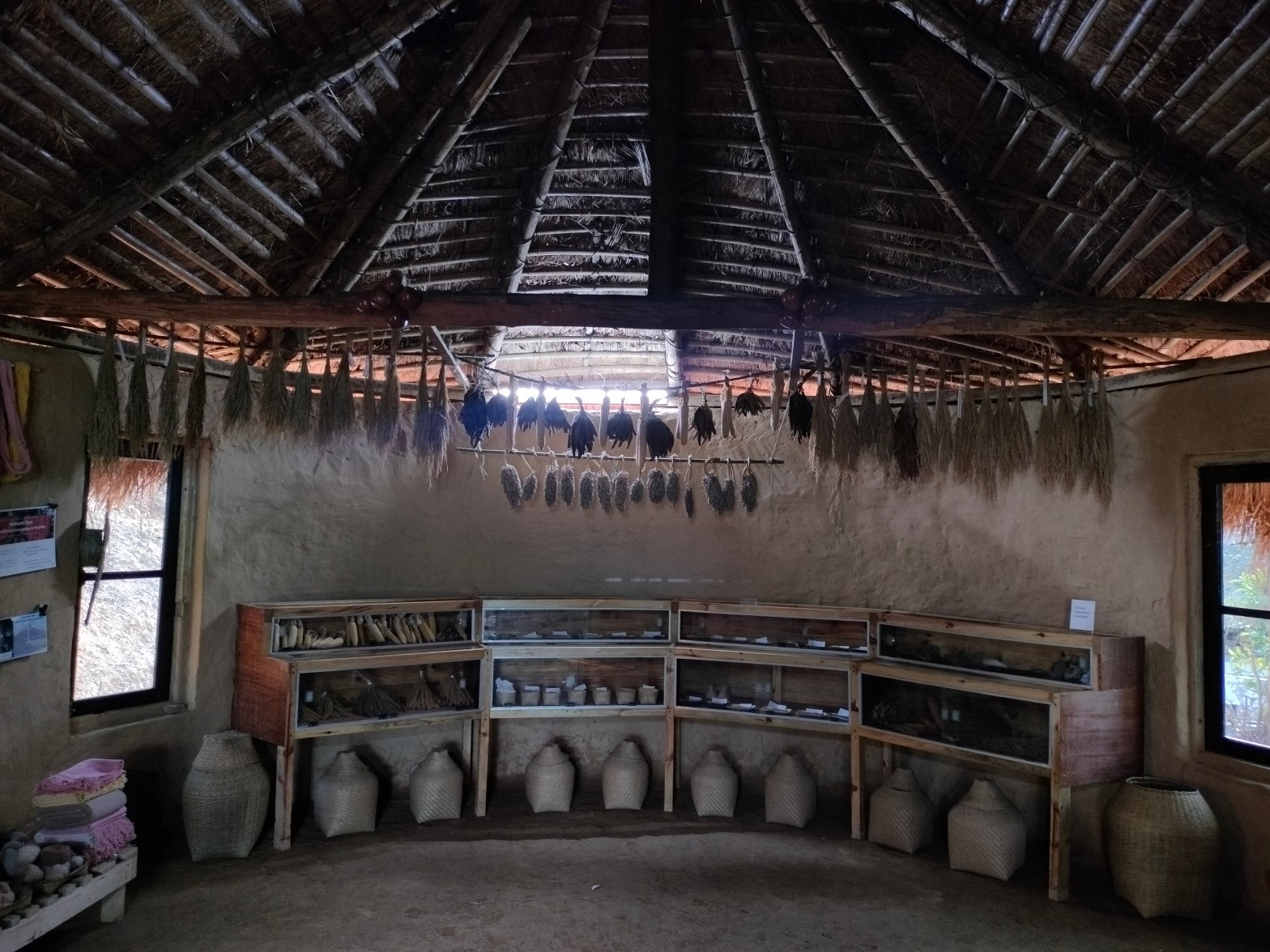
Folk Seeds of local Crops are the first step towards embracing agroecological approach- the link of the seed microbiome to the soil. Since the dawn of agriculture- farmers have selected, cultivated, bred, stored, exchanged, and maintained an enormous diversity of crops and varieties among them.
Life in Exemption: The Sundarbans, a Place To Remember
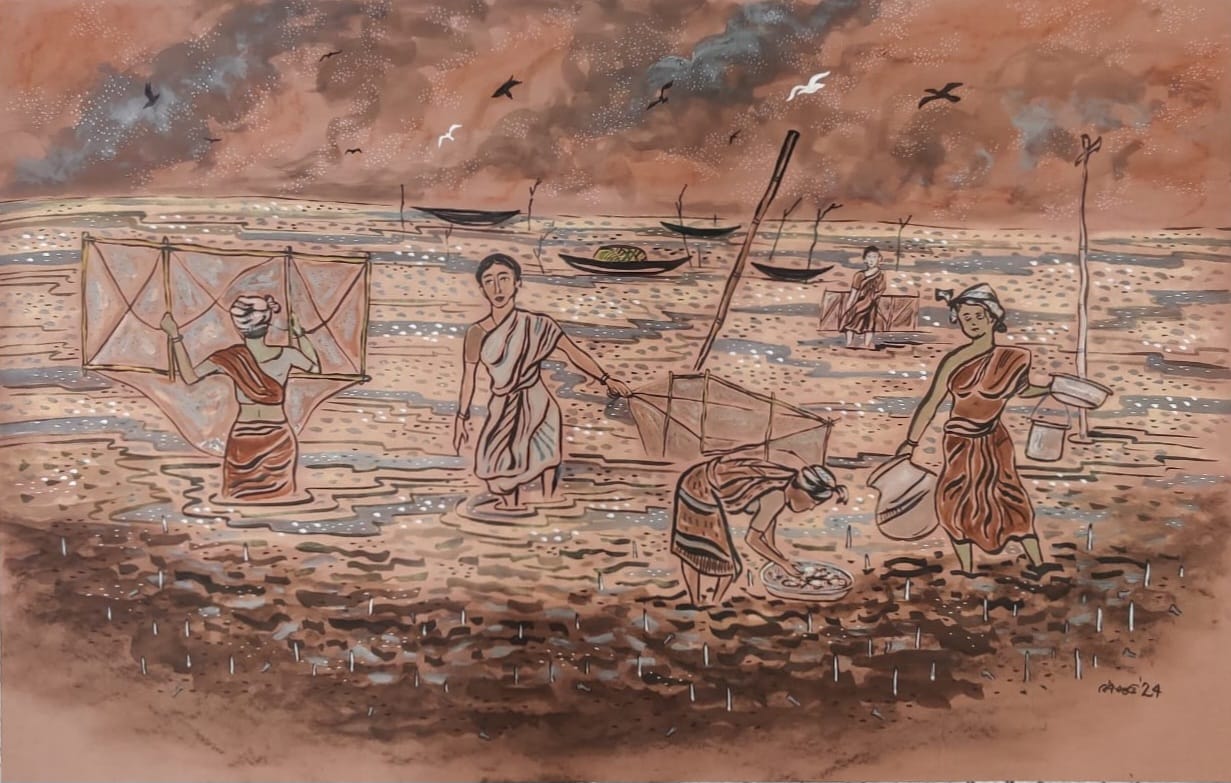
Tarini Manchanda Rarely does a journey across multiple Indian states involve only one mode of transport. Typically, if you are neither very wealthy nor extremely hard up, you will be shuffled from train to car, jostled from bus to auto, and when going into the rural parts- often picked up and plonked on to vehiclesContinue reading "Life in Exemption: The Sundarbans, a Place To Remember"
Mangrove Restoration lessons for and from Sinthilya village, North 24 Parganas
Mangrove Restoration lessons for and from Sinthilya village, North 24 Parganas // Radhika Bhargava, PHD scholar, Singapore university for Jaladarsha Collective.
The Realities of Smallholder Farming and Agroecology Transitions in Sunderbans
Dr. Bedaprana Roy and Ramesh Mondal Based on the six farmer interviews from Hingalganj, a remarkably clear picture emerges of agroecological transition, climate vulnerability, and the realities of smallholder farming in the Indian Sundarbans. The six respondents represent a spectrum ranging from committed organic farmers to hybrid farmers combining chemical and organic practices, as wellContinue reading "The Realities of Smallholder Farming and Agroecology Transitions in Sunderbans"
Ripples: An Intergenerational Dialogue on the East Kolkata Wetlands
The East Kolkata Wetlands (EKW) are one of the world's most remarkable examples of a city and its ecology working together. Designated a Wetland of International Importance under the Ramsar Convention in 2002, the EKW quietly performs a feat few urban systems can claim: it takes Kolkata's sewage and, through entirely natural processes, transforms itContinue reading "Ripples: An Intergenerational Dialogue on the East Kolkata Wetlands"
Evolving Rice Currency
The Pathaayam as Economic Archive In the villages of southern India, one could once find a wooden storage box known as the pathaayam. Today, these boxes sit largely forgotten in the corners of elderly farmers' homes. But in their time, they functioned as something far more significant than mere storage containers. They were, in effect,Continue reading "Evolving Rice Currency"
Jolabhumi Narider Kotha (Women and the Wetlands)
Adrija Bhattacharya and Bedoprana Roy 6/03/26 Jaladarsha hosted an event titled Jolabhumir Narider Kotha on 6th March,2026 as part of their ongoing series of events titled “Towards Sustainable Flows” in collaboration with Travelistan cafe. The event was filled with enriching conversations that put the women community members as central to the tale of East KolkataContinue reading "Jolabhumi Narider Kotha (Women and the Wetlands)"
The Golden Jackal – Kolkata’s last remaining wild carnivore
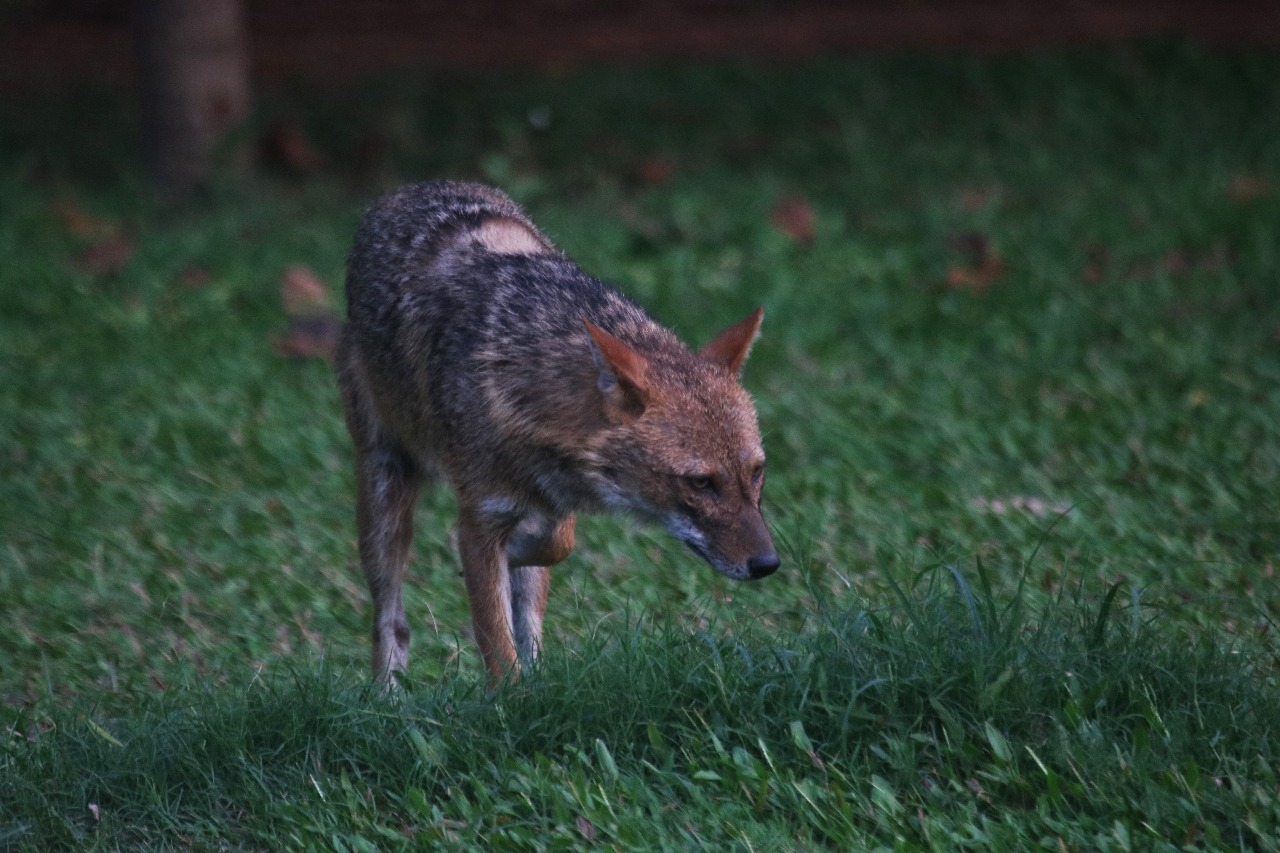
The club lies along the eastern bank of Tolly Nullah which was the earlier path Adi Ganga, a channel of the river Hooghly. The soil of the area consisted of the silt brought down by the Adi Ganga and this rich soil combined with generous rainfall supported luxuriant vegetation. This marshy fertile area was prime habitat for the Golden Jackal, who fed on crabs, rodents, and a variety of fruits like mangoes, jackfruit and papaya.
From the Sundarbans to Nagaland: Shrimati Munda’s Journey to the Biodiversity Festival
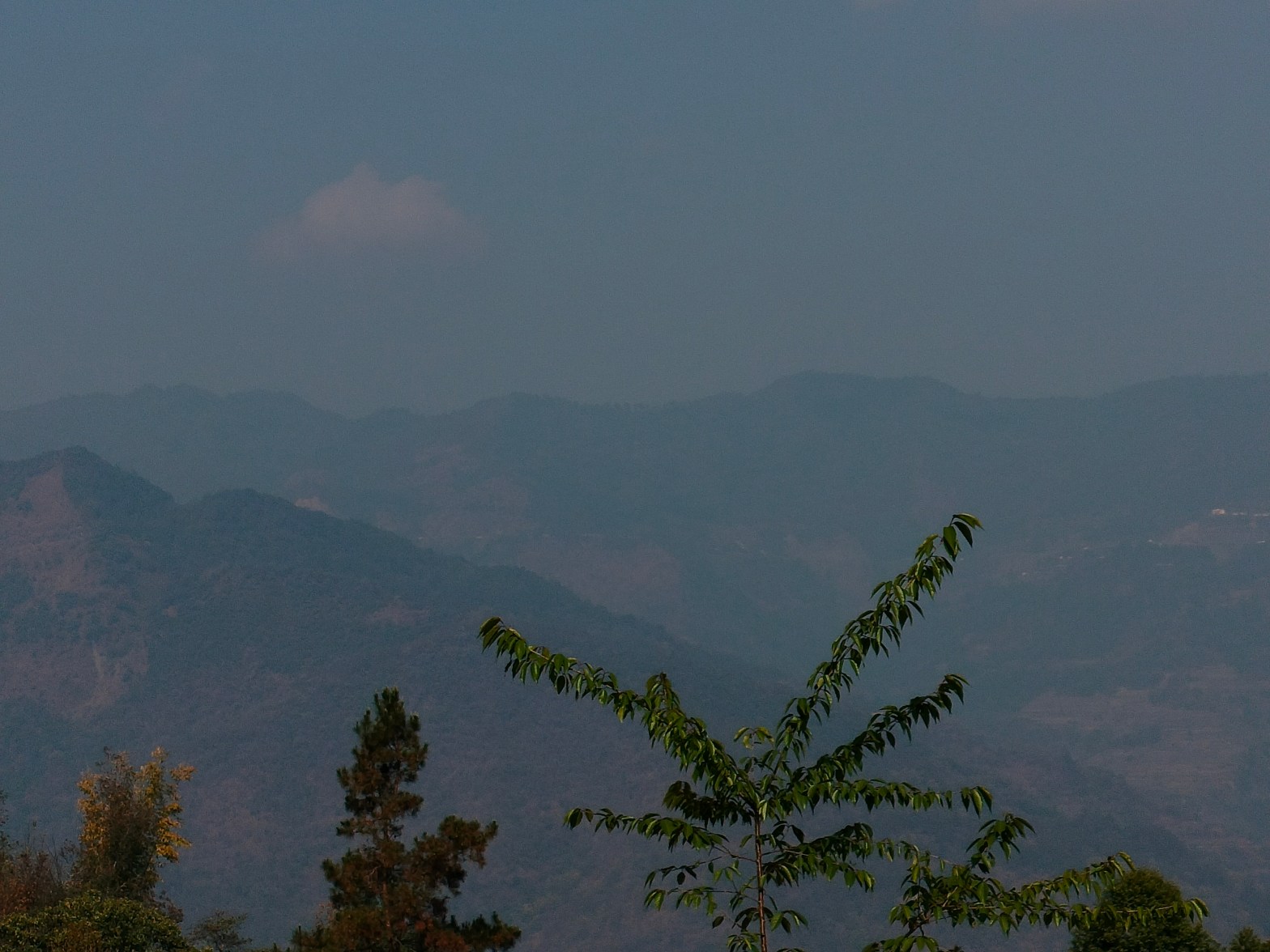
Interview conducted and translated by Pijush Dutta As our car navigated the winding, hilly roads, a rush of crisp, chilly wind carried the scent of freshly bloomed flowers to us. The journey from Dimapur to Chizami spanned five hours, with each turn in the road bringing a sense of excitement to everyone in the car.Continue reading "From the Sundarbans to Nagaland: Shrimati Munda’s Journey to the Biodiversity Festival"
A Story of Solidarity and Success: Visit to Chizami on the 16th Biodiversity Festival by North East Network
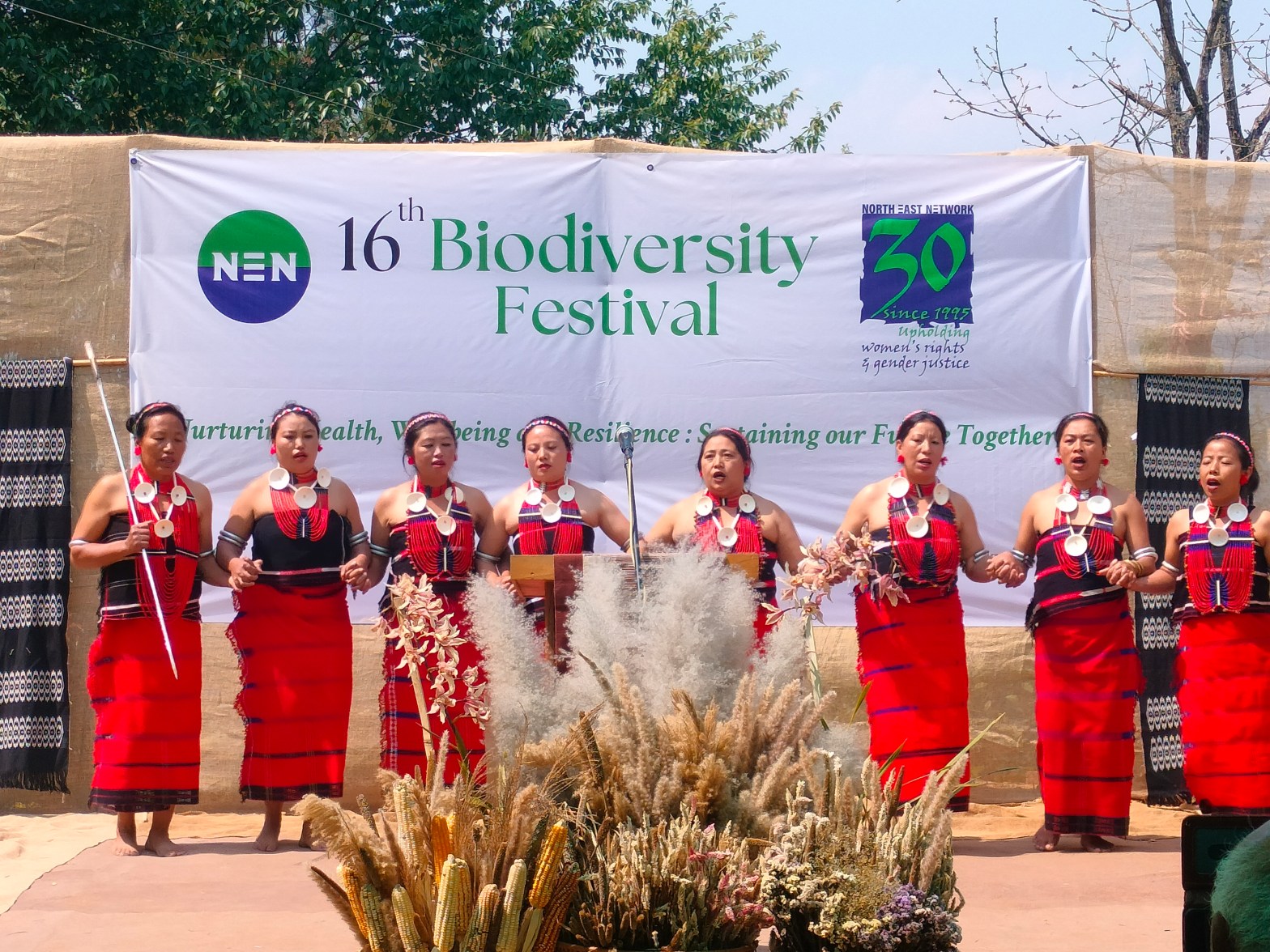
Souvik Das It was exciting from the beginning. The moment we got to know we have been invited by the North East Network (henceforth referred as NEN) to participate in their 16th Biodiversity Festival in Chizami in Nagaland, which also marks their 30th anniversary. For time constraints we could not be present at Chizami forContinue reading "A Story of Solidarity and Success: Visit to Chizami on the 16th Biodiversity Festival by North East Network"

